Showing posts with label housing market conditions. Show all posts

Monday, September 10, 2018

Appreciation may be slowing down, however real estate analysts are forecasting a positive housing market for years.

What Does the Future Hold for Home Prices?
What Does the Future Hold for Home Prices? | MyKCM
Home prices are at the top of everyone’s minds. Can they maintain their current pace of appreciation? Will rising mortgage rates negatively impact home values? Will the next economic slowdown cause prices to crash?
Let’s try to answer these questions based on what has happened in the past as well as what we know about the current real estate market.

The Impact of Rising Interest Rates

We explained earlier this year that rising mortgage rates have not negatively impacted home prices in the past and probably wouldn’t this time either. Freddie Mac’s comments were very direct:
“In the current housing market, the driving force behind the increase in prices is a low supply of both new and existing homes combined with historically low rates. As mortgage rates increase, the demand for home purchases will likely remain strong relative to the constrained supply and continue to put upward pressure on home prices.”
They were correct. So far this year, home values have continued to appreciate above normal historic percentages and it appears the gradual increase in rates has had little impact on prices.

The Impact of an Economic Slowdown

Many people fear that when the economy turns, we may see the same depreciation in home values as we did a decade ago.
However, we recently reported that the same group of economists, real estate experts, and investment & market strategists who predicted the next recession will occur in the next 18-24 months have also projected that house prices will continue to appreciate for the next five years, albeit at smaller percentages.

It Comes Down to Supply and Demand

As always, home prices will be determined by the demand to purchase compared to the available inventory of homes for sale. For the last six years, demand has far exceeded the available supply which has resulted in the average annual appreciation to top 6% since 2012. That is far greater than the historic norm of 3.6% annual appreciation that we saw prior to the housing boom.
There are currently small signs that housing inventory is slowly beginning to increase. Months supply of houses for sale matched last year’s numbers for the last two months after 37 consecutive months of decreasing inventory. New construction data has also shown positive signs that inventory will be increasing.
As inventory begins to meet demand, we will see appreciation return to more normal levels. We are already seeing projections coming in lower than the 6.2% annual average we have seen more recently.
CoreLogic is predicting that home values will appreciate by 5.1% over the next twelve months and the Home Price Expectation Survey calls for values to increase by 4.2% in 2019.

Bottom Line

Mark Fleming, Chief Economist at First American, explained it best:
“We’re seeing the first indications that price appreciation may be slowing, but the underlying fundamental housing market conditions support a natural moderation of house prices rather than a sharp decline.”


Tuesday, July 25, 2017

Owning a home offers a multitude of benefits...

The 5 Greatest Benefits of Homeownership

The 5 Greatest Benefits of Homeownership | MyKCM
Recently, Freddie Mac reported on the benefits of homeownership. According to their report, here are the five benefits that “should be at the top of everyone’s list.”
  1. Homeownership can help you build equity over time.
  2. Your monthly payments will remain stable.
  3. You may have some tax benefits.
  4. You can take pride in ownership.
  5. Homeownership improves your community.
Let’s expand on each of Freddie Mac’s points:

Homeownership can help you build equity over time.

Every three years, the Federal Reserve conducts a Survey of Consumer Finances in which they collect data across all economic and social groups. The latest survey, which includes data from 2010-2013, reports that a homeowner’s net worth is 36 times greater than that of a renter ($194,500 vs. $5,400).
In a Forbes article, the National Association of Realtors’ (NAR) Chief Economist Lawrence Yun reported that now the net worth gap is 45 times greater.

Your monthly payments will remain stable.

When you purchase a home with a fixed rate mortgage, the majority of the payment (principle and interest) remain constant. On the other hand, rents continue to skyrocket. Your housing expense is much more stable if you own instead of rent.

You may have some tax benefits.

According to the Tax Policy Center’s Briefing Book -“A citizen’s guide to the fascinating (though often complex) elements of the federal Tax System” – there are several tax advantages to homeownership.
Here are four items from the Briefing Book:
  • Mortgage Interest Deduction
  • Property Tax Deduction
  • Imputed Rent
  • Profits from Home Sale

You can take pride in ownership.

Most surveys show that a major factor in purchasing a home is the freedom you have to design the home the way you want. From paint colors to yard accessories, you don’t need a landlord’s permission to make the house feel like a home.

Homeownership improves your community.

The National Association of Realtors recently released a study titled ‘Social Benefits of Homeownership and Stable Housing.’ The study explained:
“Homeownership does create social capital and provide residents with a platform from which to connect and interact with neighbors…Owning a home means owning part of a neighborhood, and a homeowner’s feelings of commitment to the home can arouse feelings of commitment to the neighborhood, which, in turn, can produce interactions with neighbors.”

Bottom Line

There are many benefits to homeownership. That is why it is still a critical piece of the American Dream.

Tuesday, June 20, 2017

As we wrap up the spring market, real estate analysts have positive things to say about the housing market...

How's the Real Estate Market? Find Out What the Experts Are Saying

How's the Real Estate Market? Find Out What the Experts Are Saying | MyKCM
As we head into summer, it is a great time to review how the 2017 real estate market is doing so far. Here is what the experts are saying:

Doug Duncan, Fannie Mae Chief Economist

“Positive demographic factors should continue to reshape the housing market, as rising employment and incomes appear to be positively influencing millennial homeownership rates.”

Diana Olick, CNBC

“Even as more homes come on the market for this traditionally popular sales season, they're flying off fast, with bidding wars par for the course. Home prices have now surpassed their last peak, and at the entry level, where demand is highest, sellers are firmly in the driver's seat.”

Daren Blomquist, Senior VP at Attom

"I am guessing we will see it get even better… If you are considering moving, it could be a really good time to sell."

Lawrence Yun, NAR Chief Economist

"The early returns so far this spring buying season look very promising as a rising number of households dipped their toes into the market and were successfully able to close on a home last month. Although finding available properties to buy continues to be a strenuous task for many buyers, there was enough of a monthly increase in listings…for sales to muster a strong gain. Sales will go up as long as inventory does."

Mark Fleming, First American Chief Economist

“Despite higher mortgage rates, the potential for home sales increased on an annual basis driven by steady income and job growth, along with a surge in building permits. While it may be a little late for this spring, the increase in building permits is a welcome sign that some relief may be in sight for the inventory shortages that are holding back many markets from realizing their full potential this spring.”

Thursday, June 1, 2017

Concerned that there may be another housing bubble burst? Here are 3 reasons you shouldn't be...

3 Reasons the Housing Market is NOT in a Bubble

3 Reasons the Housing Market is NOT in a Bubble | MyKCM
With housing prices appreciating at levels that far exceed historical norms, some are fearful that the market is heading for another bubble. To alleviate that fear, we just need to look back at the reasons that caused the bubble ten years ago.
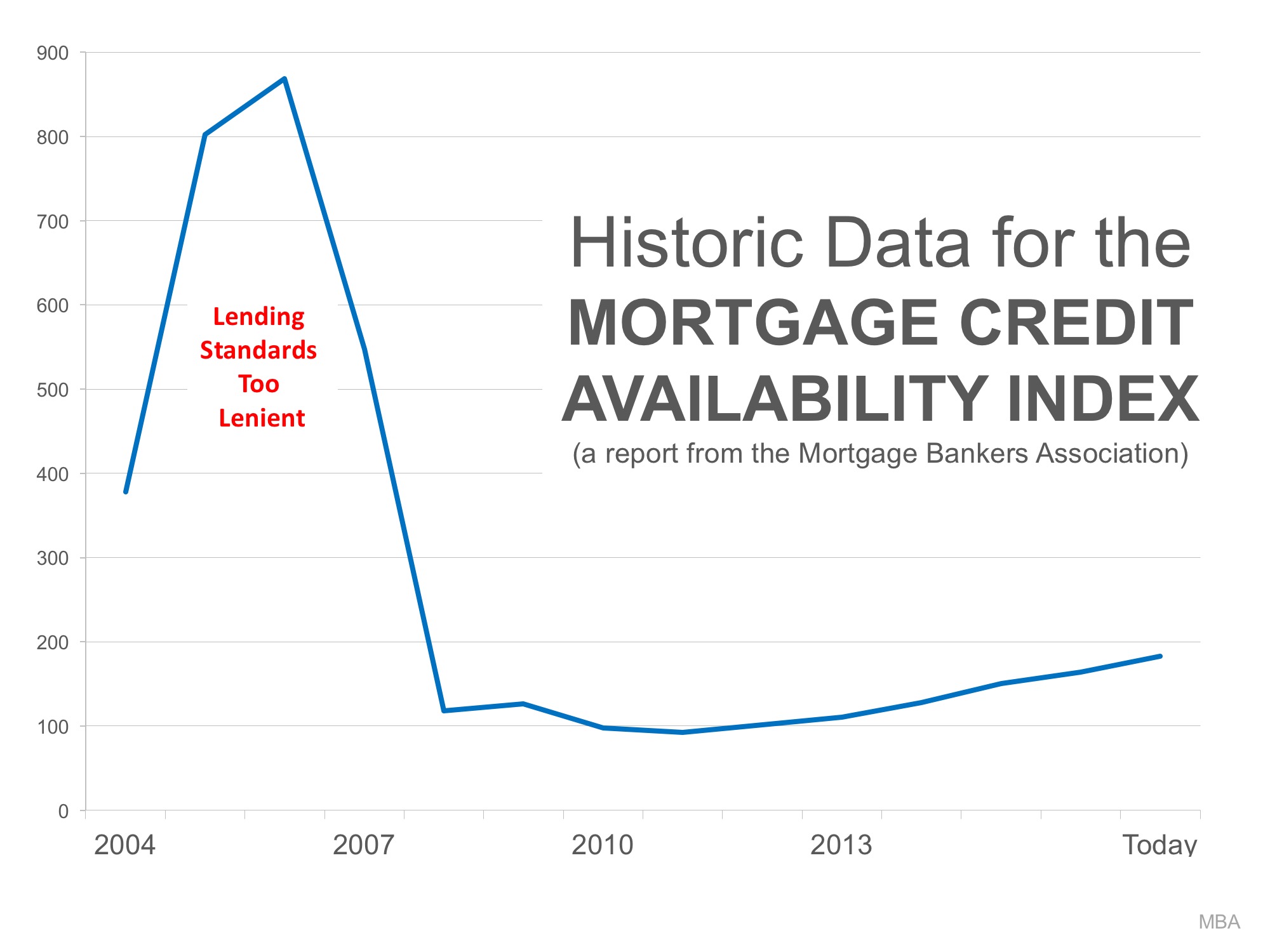
Last decade, demand for housing was artificially propped up because mortgage lending standards were way too lenient. People that were not qualified to purchase were able to obtain a mortgage anyway. Prices began to skyrocket. This increase in demand caused homebuilders in many markets to overbuild.
Eventually, the excess in new construction and the flooding of the market with distressed properties (foreclosures & short sales), caused by the lack of appropriate lending standards, led to the housing crash.

Where we are today…

1. If we look at lending standards based on the Mortgage Credit Availability Index released monthly by the Mortgage Bankers Association, we can see that, though standards have become more reasonable over the last few years, they are nowhere near where they were in the early 2000s.
3 Reasons the Housing Market is NOT in a Bubble | MyKCM
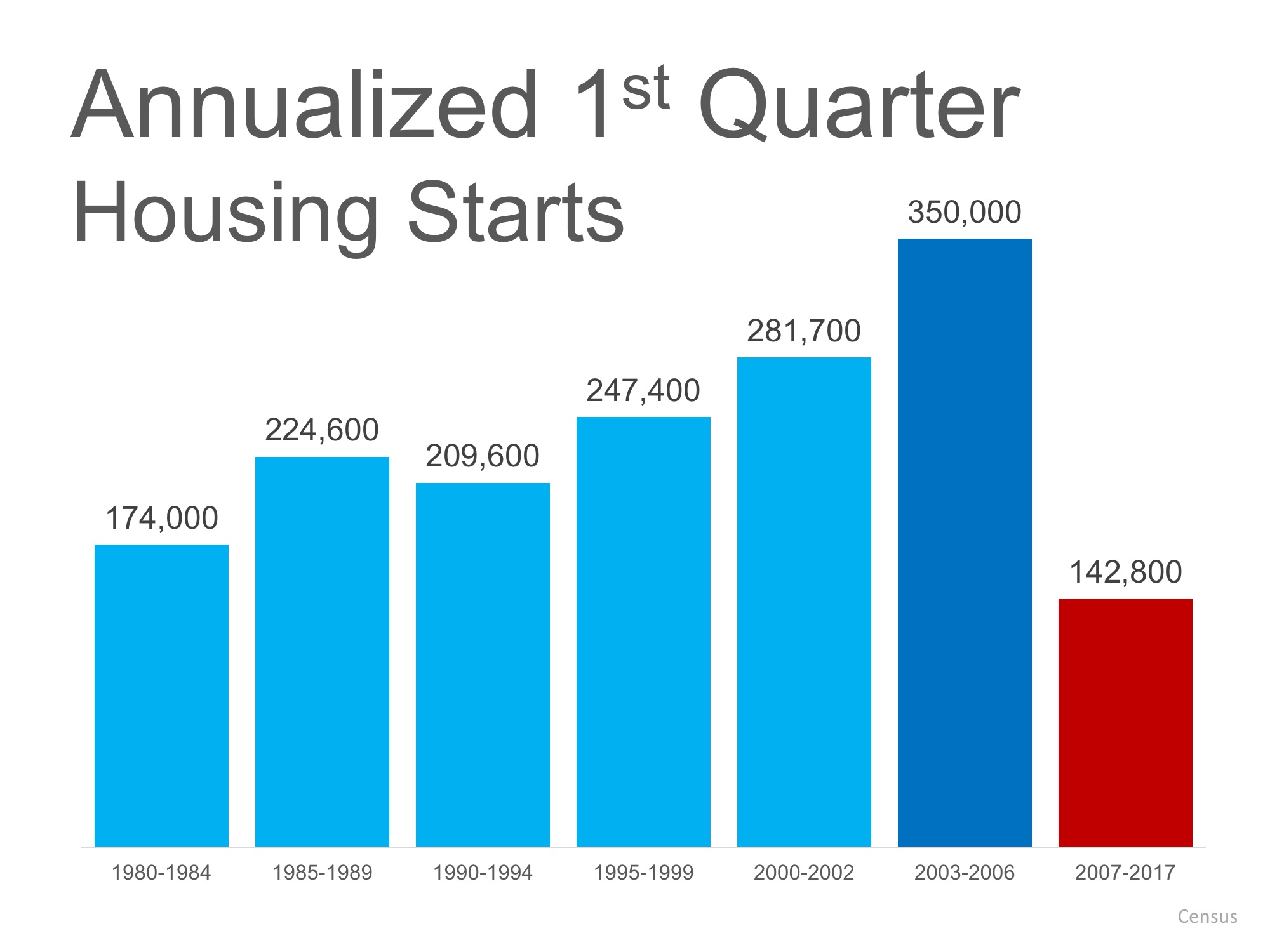
2. If we look at new construction, we can see that builders are not “over building.” Average annual housing starts in the first quarter of this year were not just below numbers recorded in 2002-2006, they are below starts going all the way back to 1980.
3 Reasons the Housing Market is NOT in a Bubble | MyKCM
3. If we look at home prices, most homes haven’t even returned to prices seen a decade ago. Trulia just released a report that explained:
“When it comes to the value of individual homes, the U.S. housing market has yet to recover. In fact, just 34.2% of homes nationally have seen their value surpass their pre-recession peak.”

Bottom Line

Mortgage lending standards are appropriate, new construction is below what is necessary and home prices haven’t even recovered. It appears fears of a housing bubble are over-exaggerated.

Tuesday, April 25, 2017

There is a new housing crisis in town - rising rents that are affecting rental housing affordability.

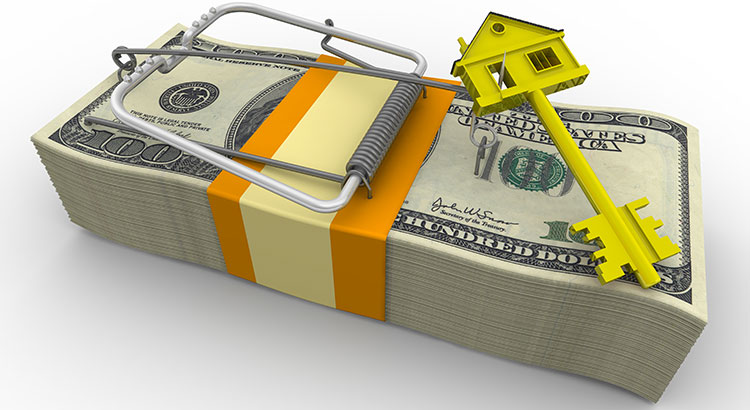
Careful…Don’t Get Caught in the Rental Trap!

Careful…Don’t Get Caught in the Rental Trap! | MyKCM
There are many benefits to homeownership. One of the top benefits is being able to protect yourself from rising rents by locking in your housing cost for the life of your mortgage.

Don’t Become Trapped 

Jonathan Smoke, Chief Economist at realtor.com, reported on what he calls a “Rental Affordability Crisis.” He warns that,
“Low rental vacancies and a lack of new rental construction are pushing up rents, and we expect that they’ll outpace home price appreciation in the year ahead.”
In the Joint Center for Housing Studies at Harvard University's 2016 State of the Nation’s Housing Report, they revealed that “The number of cost-burdened households rose to 21.3 million. Even more troubling, the number with severe burdens (paying more than 50% of income for housing) jumped to a record 11.4 million.” These households struggle to save for a rainy day and pay other bills, such as food and healthcare.

It’s Cheaper to Buy Than Rent 

In Smoke’s article, he went on to say,
“Housing is central to the health and well-being of our country and our local communities. In addition, this (rental affordability) crisis threatens the future value of owned housing, as the burdensome level of rents will trap more aspiring owners into a vicious financial cycle in which they cannot save and build a solid credit record to eventually buy a home.”
“While more than 85% of markets have burdensome rents today, it’s perplexing that in more than 75% of the counties across the country, it is actually cheaper to buy than rent a home. So why aren’t those unhappy renters choosing to buy?”

Know Your Options

Perhaps you have already saved enough to buy your first home. HousingWire reported that analysts at Nomura believe:
"It’s not that Millennials and other potential homebuyers aren’t qualified in terms of their credit scores or in how much they have saved for their down payment. 
It’s that they think they’re not qualified or they think that they don’t have a big enough down payment.” (emphasis added)
Many first-time homebuyers who believe that they need a large down payment may be holding themselves back from their dream home. As we have reported before, in many areas of the country, a first-time home buyer can save for a 3% down payment in less than two years. You may have already saved enough!

Bottom Line

Don’t get caught in the trap so many renters are currently in. If you are ready and willing to buy a home, find out if you are able. Let’s get together to determine if you can qualify for a mortgage now!

Monday, April 17, 2017

According to a recent survey by Fannie Mae - a boost in consumer confidence is also a boost for the housing market.

Consumer Confidence in Economy & Housing is Soaring

Consumer Confidence in Economy & Housing is Soaring | MyKCM
The success of the housing market is strongly tied to the consumer’s confidence in the overall economy. For that reason, we believe 2017 will be a great year for real estate. Here is just a touch of the news coverage on the subject.

HousingWire:

“Consumers’ faith in the housing market is stronger than it’s ever been before, according to a newly released survey from Fannie Mae.”

Bloomberg:

“Americans’ confidence continued to mount last week as the Bloomberg Consumer Comfort Index reached the highest point in a decade on more-upbeat assessments about the economy and buying climate.”

Yahoo Finance:

“Confidence continues to rise among America’s consumers…the latest consumer sentiment numbers from the University of Michigan showed that in March confidence rose again.”

MarketWatch:

“U.S. consumers are the most confident in the U.S. economy in 15 years, buoyed by the strongest job market since before the Great Recession. The survey of consumer confidence rose…according to the Conference Board, the private company that publishes the index. That’s the highest level since July 2001.”

Ivy Zelman, in her recent Z Report, probably best capsulized the reports:

"The results were incredibly strong and…offer one of the most positive consumer takes on housing since the recovery started.”

Friday, January 27, 2017

If you want to sell your home this spring, get it on the market now!

Thinking of Selling? Why Now is the Time

Thinking of Selling? Why Now is the Time | MyKCM
It is common knowledge that a large number of homes sell during the spring-buying season. For that reason, many homeowners hold off on putting their homes on the market until then. The question is whether or not that will be a good strategy this year.
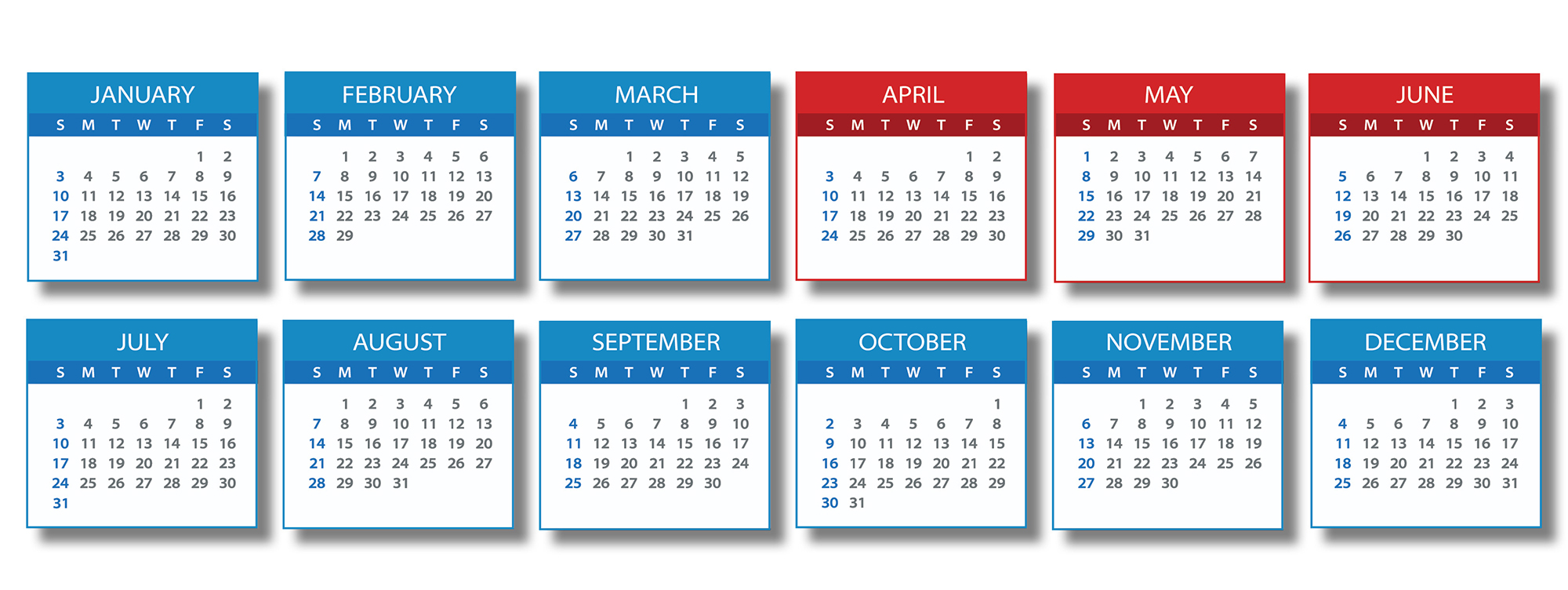
The other listings that do come out in the spring will represent increased competition to any seller. Do a greater number of homes actually come to the market in the spring, as compared to the rest of the year? The National Association of Realtors (NAR) recently revealed the months in which most people listed their homes for sale in 2016. Here is a graphic showing the results:
Thinking of Selling? Why Now is the Time | MyKCM
The three months in the second quarter of the year (represented in red) are consistently the most popular months for sellers to list their homes on the market. Last year, the number of homes available for sale in January was 1,820,000.

That number spiked to 2,140,000 by May!

What does this mean to you?

With the national job situation improving, and mortgage interest rates projected to rise later in the year, buyers are not waiting until the spring; they are out looking for a home right now. If you are looking to sell this year, waiting until the spring to list your home means you will have the greatest competition for a buyer.

Bottom Line

It may make sense to beat the rush of housing inventory that will enter the market in the spring and list your home today.

Tuesday, November 15, 2016

Foreclosures are at their lowest point in 8 years, buyer availability is at its' highest point in 8 years. Combined, that means a shortage of inventory in the market...


A Lack of Listings Remains 'Huge' Challenge in the Market


A Lack of Listings Remains ‘Huge’ Challenge in the Market | MyKCM
The housing crisis is finally in the rearview mirror as the real estate market moves down the road to a complete recovery. Home values are up, home sales are up, and distressed sales (foreclosures & short sales) are at their lowest mark in over 8 years. This has been, and will continue to be, a great year for real estate.
However, there is one thing that may cause the industry to tap the brakes: a lack of housing inventory. According to the National Association of Realtors (NAR), buyer traffic and demand continues to be the strongest it has been in years. The supply of homes for sale has not kept up with this demand and has driven prices up in many areas as buyers compete for their dream home.
Traditionally, the winter months create a natural slowdown in the market. Jonathan Smoke, Chief Economist at realtor.com, points to low interest rates as one of the many reasons why buyers are still out in force looking for a home of their own.
“Overall, the fundamental trends we have been seeing all year remain solidly in place as we enter the traditionally slower sales season, and pent-up demand remains substantial as buyers seek to get a home under contract while rates remain so low.”
NAR’s Chief Economist, Lawrence Yun, points out that the inventory shortage we are currently experiencing isn’t a new challenge by any means:
"Inventory has been extremely tight all year and is unlikely to improve now that the seasonal decline in listings is about to kick in. Unfortunately, there won't be much relief from new home construction, which continues to be grossly inadequate in relation to demand."

Bottom Line

Healthy labor markets and job growth have created more and more buyers who are not just ready and willing to buy but are also able to. If you are debating whether or not to put your home on the market this year, now is the time to take advantage of the demand in the market.

Monday, November 14, 2016

Inventory is still low. Thinking of selling your home? You might not want to wait...


Why Waiting Until After the Holidays to Sell Isn’t a Smart Decision


Why Waiting Until After the Holidays to Sell Isn’t a Smart Decision | MyKCM
Every year at this time, many homeowners decide to wait until after the holidays to put their homes on the market for the first time, while others who already have their homes on the market decide to take them off until after the holidays. Here are six great reasons not to wait:
  1. Relocation buyers are out there. Companies are not concerned with holiday time and if the buyers have kids, they want them to get into school after the holidays. 
  1. Purchasers that are looking for a home during the holidays are serious buyers and are ready to buy.
  1. You can restrict the showings on your home to the times you want it shown. You will remain in control.
  1. Homes show better when decorated for the holidays. 
  1. There is less competition for you as a seller right now. Let’s take a look at listing inventory as compared to the same time last year:
Why Waiting Until After the Holidays to Sell Isn’t a Smart Decision | MyKCM
  1. The supply of listings increases substantially after the holidays. Also, in many parts of the country, new construction will continue to surge reaching new heights in 2017, which will lessen the demand for your house.

Bottom Line

Waiting until after the holidays to sell your home probably doesn't make sense.

Monday, November 7, 2016

Even though we are heading into the holiday season, there are signs that it is still a good time to sell your home...


NAR Reports Show Now Is a Great Time to Sell!


NAR Reports Show Now Is a Great Time to Sell! | MyKCM
We all realize that the best time to sell anything is when demand is high and the supply of that item is limited. The last two major reports issued by the National Association of Realtors (NAR) revealed information that suggests that now continues to be a great time to sell your house.
Let’s look at the data covered by the latest Pending Home Sales Report and Existing Home Sales Report.

THE PENDING HOME SALES REPORT

The report announced that pending home sales (homes going into contract) are up 2.4% over last year, and have increased year-over-year now for 22 of the last 25 consecutive months.
Lawrence Yun, NAR’s Chief Economist, had this to say:
"The one major predicament in the housing market is without a doubt the painfully low levels of housing inventory in much of the country. It's leading to home prices outpacing wages, properties selling a lot quicker than a year ago and the home search for many prospective buyers being highly competitive and drawn out because of a shortage of listings at affordable prices."
Takeaway: Demand for housing will continue throughout the end of 2016 and into 2017. The seasonal slowdown often felt in the winter months did not occur last winter and shows no signs of returning this year.

THE EXISTING HOME SALES REPORT

The most important data point revealed in the report was not sales, but was instead the inventory of homes for sale (supply). The report explained:
  • Total housing inventory rose 1.5% to 2.04 million homes available for sale
  • That represents a 4.5-month supply at the current sales pace
  • Unsold inventory is 6.8% lower than a year ago, marking the 16th consecutive month with year-over-year declines
There were two more interesting comments made by Yun in the report:
"Inventory has been extremely tight all year and is unlikely to improve now that the seasonal decline in listings is about to kick in. Unfortunately, there won't be much relief from new home construction, which continues to be grossly inadequate in relation to demand."
In real estate, there is a guideline that often applies; when there is less than a 6-month supply of inventory available, we are in a seller’s market and we will see appreciation. Between 6-7 months is a neutral market, where prices will increase at the rate of inflation. More than a 7-month supply means we are in a buyer’s market and should expect depreciation in home values. As Yun notes, we are, and will remain, in a seller’s market with prices still increasing unless more listings come to the market. 
"There's hope the leap in sales to first-time buyers can stick through the rest of the year and into next spring. The market fundamentals — primarily consistent job gains and affordable mortgage rates — are there for the steady rise in first-timers needed to finally reverse the decline in the homeownership rate."
Takeaway: Inventory of homes for sale is still well below the 6-month supply needed for a normal market. Prices will continue to rise if a ‘sizable’ supply does not enter the market.

Bottom Line

If you are going to sell, now may be the time to take advantage of the ready, willing, and able buyers that are still out looking for your house.