Showing posts with label housing market. Show all posts

Monday, October 15, 2018

Wow! It was a big hole to climb out of, but the housing market has made remarkable strides in over the past 5 years...

Home Prices: The Difference 5 Years Makes

Home Prices: The Difference 5 Years Makes | MyKCM
CoreLogic recently released their Home Price Index ReportOne of the key indicators used in the report to determine the health of the housing market was home price appreciation. CoreLogic focused on appreciation from July 2013 to July 2018 to show how prices over the last five years have fared.
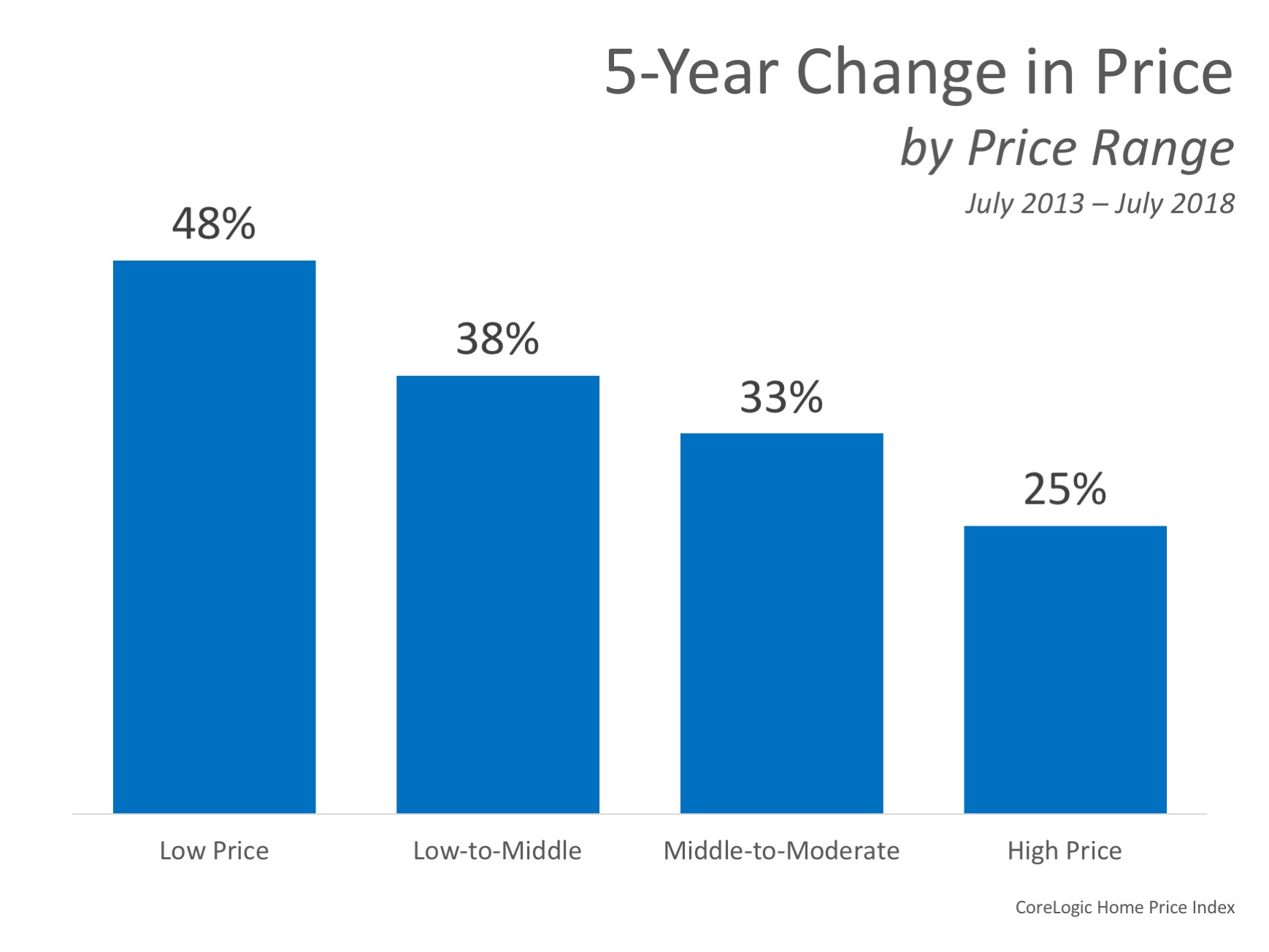
The graph below was created to show the 5-year change in price from July 2013 to July 2018 by price range.
Home Prices: The Difference 5 Years Makes | MyKCM
As you can see in the graph, the highest price appreciation occurred in the lowest price range with 48% growth, while the highest priced homes appreciated by 25%. This has been greatly fueled by the lack of inventory of homes available at the lower price ranges and high demand from first-time buyers looking to enter the market.

Where were prices expected to go?

Every quarter, Pulsenomics surveys a nationwide panel of over 100 economists, real estate experts, and investment and market strategists and asks them to project how residential home prices will appreciate over the next five years for their Home Price Expectation Survey (HPES).
According to the Q3 2014 survey results, national homes prices were projected to increase cumulatively by 19.5% by December 2018. The bulls of the group predicted home prices to rise by 27.8%, while the more cautious bears predicted an appreciation of 11.2%.


Where are prices headed in the next 5 years?

Data from the most recent HPES shows that home prices are expected to increase by 20.0% over the next 5 years. The bulls of the group predict home prices to rise by 31.2%, while the more cautious bears predict an appreciation of 9.3%.

Bottom Line

Every day, thousands of homeowners regain positive equity in their homes. Some homeowners are now experiencing values even greater than those before the Great Recession. If you’re wondering if you have enough equity to sell your house and move on to your dream home, let’s get together to discuss conditions in our neighborhood!

Thursday, October 4, 2018

Home prices have risen over the past few years, creating a higher number of "equity rich" homeowners than earlier in the decade...

25% of Homes with a Mortgage are Now Equity Rich!

25% of Homes with a Mortgage are Now Equity Rich! | MyKCM

Rising home prices have been in the news a lot lately and much of the focus has been on whether home prices are accelerating too quickly, as well as how sustainable the growth in prices really is. One of the often-overlooked benefits of rising prices, however, is the impact that they have on a homeowner’s equity position.

Home equity is defined as the difference between the home’s fair market value and the outstanding balance of all liens (loans) on the property. While homeowners pay down their mortgages, the amount of equity they have in their homes climbs each time the value of their homes go up!
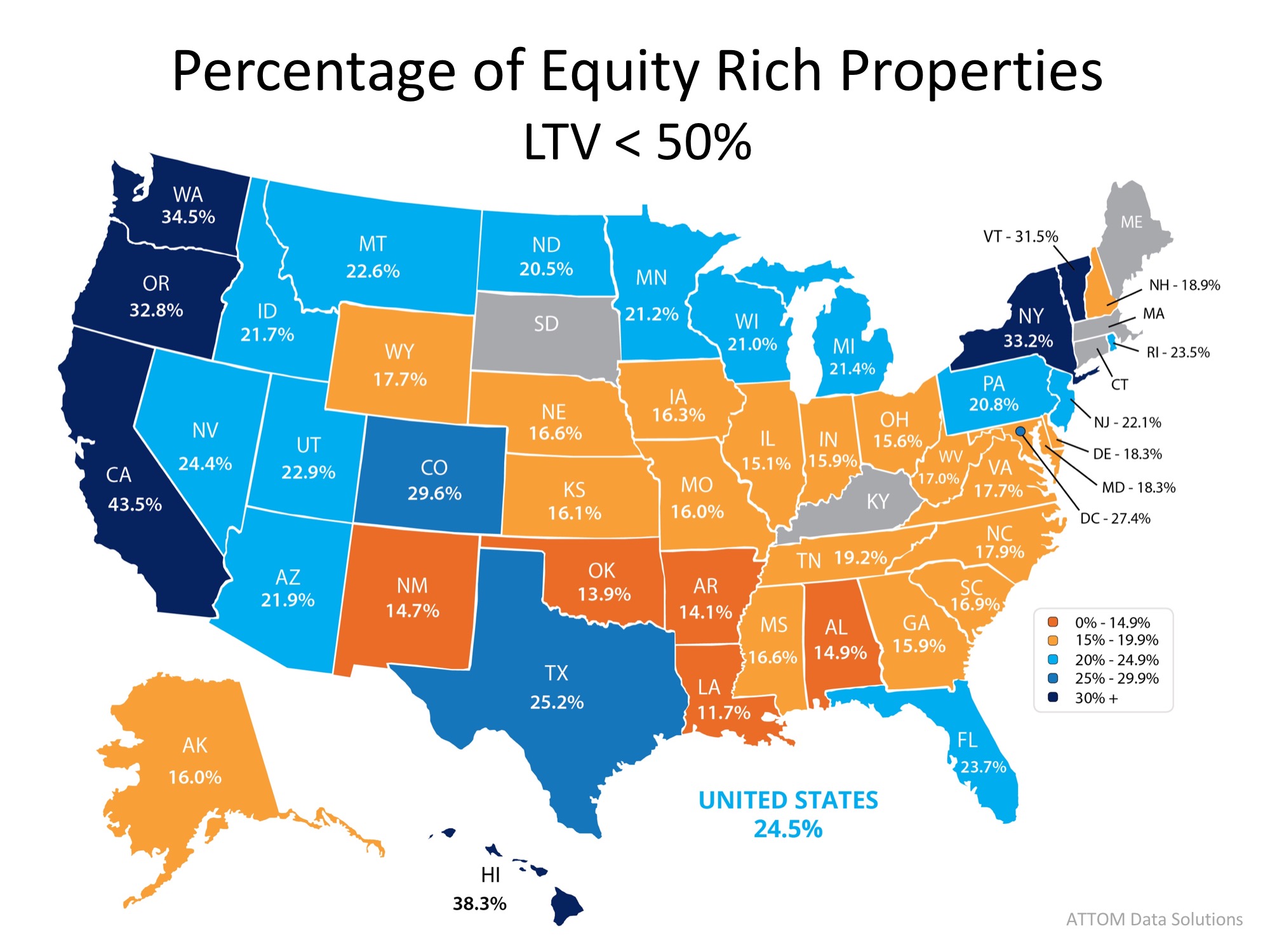
According to the latest Equity Report from ATTOM Data Solutions, “13.9 million U.S. properties in Q2 2018 were equity rich — where the combined estimated balance of loans secured by the property was 50 percent or less of the property’s estimated market value — representing 24.9% of all U.S. properties with a mortgage.”

This means that nearly a quarter of Americans who have a mortgage would be able to sell their homes and have a significant down payment toward their next home. Many who sell could also use their new-found equity to pay off high-interest credit cards or help children with tuition costs.
The map below shows the percentage of properties with a mortgage in each state that were equity rich in Q2 2018.
25% of Homes with a Mortgage are Now Equity Rich! | MyKCM

Bottom Line

If you are a homeowner looking to take advantage of your home equity by moving up to your dream home, let’s get together to discuss your options!

Thursday, September 13, 2018

Market indicators lead to a more balanced housing market in the near future.

Are Homebuyers Starting to Hit the ‘Pause’ Button?

Are Homebuyers Starting to Hit the ‘Pause’ Button? | MyKCM
For the last several years, buyer demand has far exceeded the housing supply available for sale. This low supply and high demand have led to home prices appreciating by an average of 6.2% annually since 2012.
With this being said, three of the four major reports used to measure buyer activity have revealed that purchasing demand may be softening. Here are the four indices, how they measure demand (methodology), what their latest reports said, and a quick synopsis of the report.

The Foot Traffic Report
by the National Association of Realtors

Methodology: Every month SentriLock, LLC provides NAR Research with data on the number of properties shown by a REALTOR®. Lockboxes made by SentriLock, LLC are used in roughly a third of home showings across the nation. Foot traffic has a strong correlation with future contracts and home sales, so it can be viewed as a peek ahead at sales trends two to three months into the future.
Latest Report: “Foot Traffic climbed 3.2 points to 55.8 mid-summer in July. Additionally, the diffusion index is higher than last year by 13.5 points. Despite a healthy economy and labor market, supply and new construction remains unable to keep up with buyer demand.”
Synopsis: Buyer demand remains strong.

The Showing Index
by ShowingTime

Methodology: The ShowingTime Showing Index® tracks the average number of buyer showings on active residential properties on a monthly basis, a highly reliable leading indicator of current and future demand trends.
Latest Report: “Showing activity throughout the country increased by 0.3 percent year over year in July, the third consecutive month that the U.S. ShowingTime Showing Index recorded buyer interest deceleration compared to the previous year. The June 2018 figures revealed a 0.0 percent change in showing traffic from 2017, while May showed a 1.2 percent year-over-year increase. The 12-month average year-over-year increase was 4.6 percent.”
Synopsis: Buyer demand is softening

Realtors Confidence Index
by the National Association of Realtors

Methodology: The REALTORS Confidence Index is a key indicator of housing market strength based on a monthly survey sent to over 50,000 real estate practitioners. Practitioners are asked about their expectations for home sales, prices and market conditions.
Latest Report: “REALTORS reported slower homebuying activity in July 2018…The REALTORS® Buyer Traffic Index registered at 62, down from the same month one year ago (69). This is the fifth straight month (since March 2018) that Realtors reported a decline in buyer activity compared to conditions one year ago.”
Synopsis: Buyer demand is softening

The Real Estate Broker Survey
in the ‘Z’ Report by Zelman and Associates (subscription needed)

Methodology: Proprietary survey results of real estate executives.
Latest Report: “While we continue to expect a resumption of growth in resale transactions on the back of easing inventory in 2019 and 2020, our real-time view into the market through our Real Estate Broker Survey does suggest that buyers have grown more discerning of late and a level of “pause” has taken hold in many large housing markets. Indicative of this, our broker contacts rated buyer demand at 69 on a 0-100 scale, still above average but down from 74 last year and representing the largest year-over-year decline in the two-year history of our survey.”
Synopsis: Buyer demand is softening

Bottom Line

Again, three of the four most reliable measures of buyer activity are reporting that demand is softening. We had a strong buyers’ market directly after the housing crash which was immediately followed by a strong sellers’ market over the last six years.
If demand continues to soften and supply begins to grow (as is projected to happen), we will return to a more neutral market which will favor neither buyers nor sellers. This “more normal” market will be better for real estate in the long term.

Monday, September 10, 2018

Appreciation may be slowing down, however real estate analysts are forecasting a positive housing market for years.

What Does the Future Hold for Home Prices?

What Does the Future Hold for Home Prices? | MyKCM
Home prices are at the top of everyone’s minds. Can they maintain their current pace of appreciation? Will rising mortgage rates negatively impact home values? Will the next economic slowdown cause prices to crash?
Let’s try to answer these questions based on what has happened in the past as well as what we know about the current real estate market.

The Impact of Rising Interest Rates

We explained earlier this year that rising mortgage rates have not negatively impacted home prices in the past and probably wouldn’t this time either. Freddie Mac’s comments were very direct:
“In the current housing market, the driving force behind the increase in prices is a low supply of both new and existing homes combined with historically low rates. As mortgage rates increase, the demand for home purchases will likely remain strong relative to the constrained supply and continue to put upward pressure on home prices.”
They were correct. So far this year, home values have continued to appreciate above normal historic percentages and it appears the gradual increase in rates has had little impact on prices.

The Impact of an Economic Slowdown

Many people fear that when the economy turns, we may see the same depreciation in home values as we did a decade ago.
However, we recently reported that the same group of economists, real estate experts, and investment & market strategists who predicted the next recession will occur in the next 18-24 months have also projected that house prices will continue to appreciate for the next five years, albeit at smaller percentages.

It Comes Down to Supply and Demand

As always, home prices will be determined by the demand to purchase compared to the available inventory of homes for sale. For the last six years, demand has far exceeded the available supply which has resulted in the average annual appreciation to top 6% since 2012. That is far greater than the historic norm of 3.6% annual appreciation that we saw prior to the housing boom.
There are currently small signs that housing inventory is slowly beginning to increase. Months supply of houses for sale matched last year’s numbers for the last two months after 37 consecutive months of decreasing inventory. New construction data has also shown positive signs that inventory will be increasing.
As inventory begins to meet demand, we will see appreciation return to more normal levels. We are already seeing projections coming in lower than the 6.2% annual average we have seen more recently.
CoreLogic is predicting that home values will appreciate by 5.1% over the next twelve months and the Home Price Expectation Survey calls for values to increase by 4.2% in 2019.

Bottom Line

Mark Fleming, Chief Economist at First American, explained it best:
“We’re seeing the first indications that price appreciation may be slowing, but the underlying fundamental housing market conditions support a natural moderation of house prices rather than a sharp decline.”

Friday, February 2, 2018

The lower the interest rate, the higher your buying power!


Low Interest Rates Have a High Impact on Your Purchasing Power


According to Freddie Mac’s latest Primary Mortgage Market Survey, interest rates for a 30-year fixed rate mortgage are currently at 3.92%, which is still near record lows in comparison to recent history!
The interest rate you secure when buying a home not only greatly impacts your monthly housing costs, but also impacts your purchasing power.
Purchasing power, simply put, is the amount of home you can afford to buy for the budget you have available to spend. As rates increase, the price of the house you can afford will decrease if you plan to stay within a certain monthly housing budget.
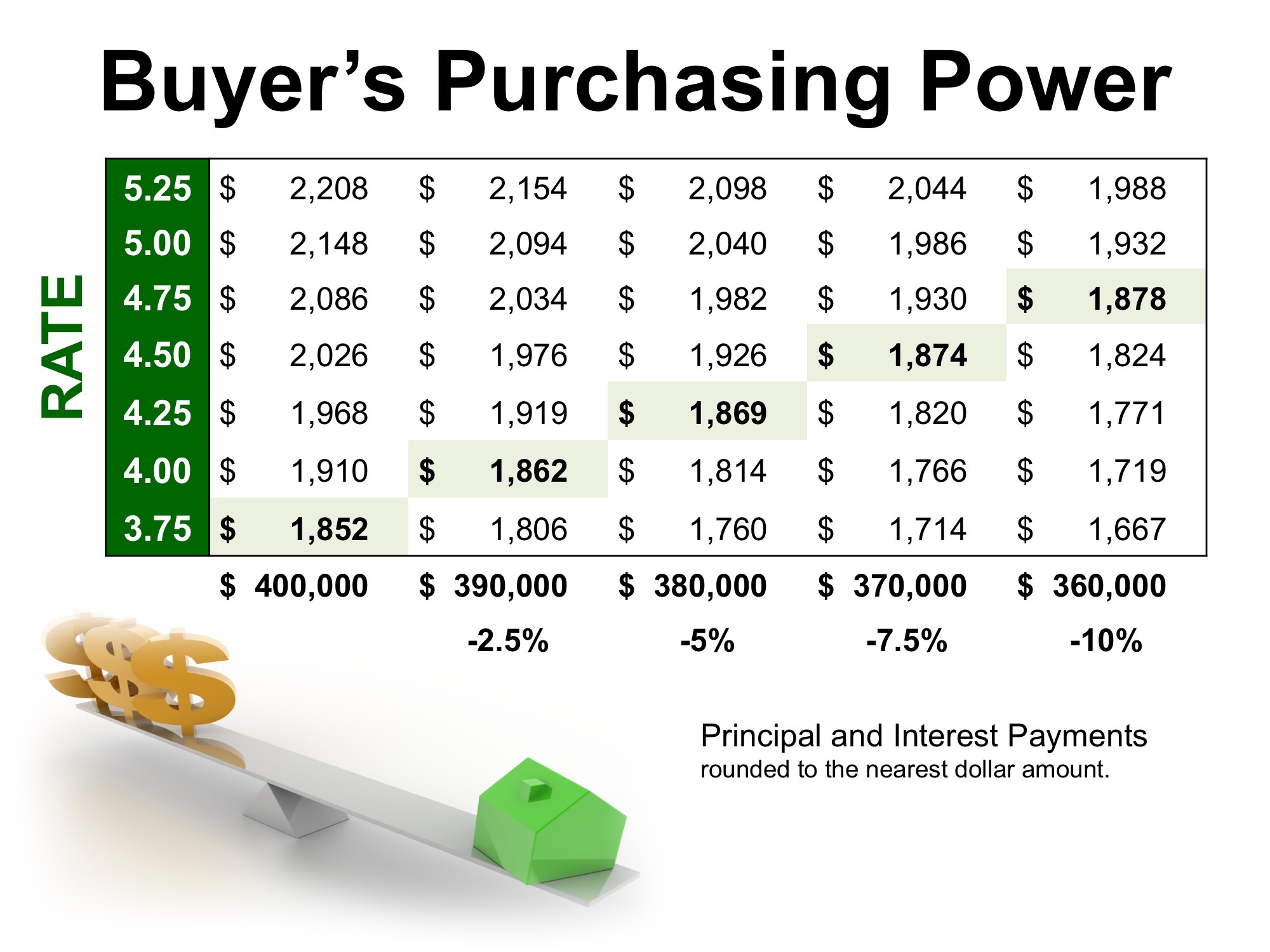
The chart below shows what impact rising interest rates would have if you planned to purchase a home within the national median price range, and planned to keep your principal and interest payments between $1,850-$1,900 a month.
Low Interest Rates Have a High Impact on Your Purchasing Power | MyKCM
With each quarter of a percent increase in interest rate, the value of the home you can afford decreases by 2.5% (in this example, $10,000). Experts predict that mortgage rates will be closer to 5% by this time next year.

Act now to get the most house for your hard-earned money.

Monday, January 29, 2018

Housing inventory is low, which could mean rising prices in the spring market.


The Real Reason Home Prices are Increasing


The Real Reason Home Prices are Increasing | MyKCM
There are many unsubstantiated theories as to why home values are continuing to increase. From those who are worried that lending standards are again becoming too lenient (data shows this is untrue), to those who are concerned that prices are again approaching boom peaks because of “irrational exuberance” (this is also untrue as prices are not at peak levels when they are adjusted for inflation), there seems to be no shortage of opinion.
However, the increase in prices is easily explained by the theory of supply & demand. Whenever there is a limited supply of an item that is in high demand, prices increase.
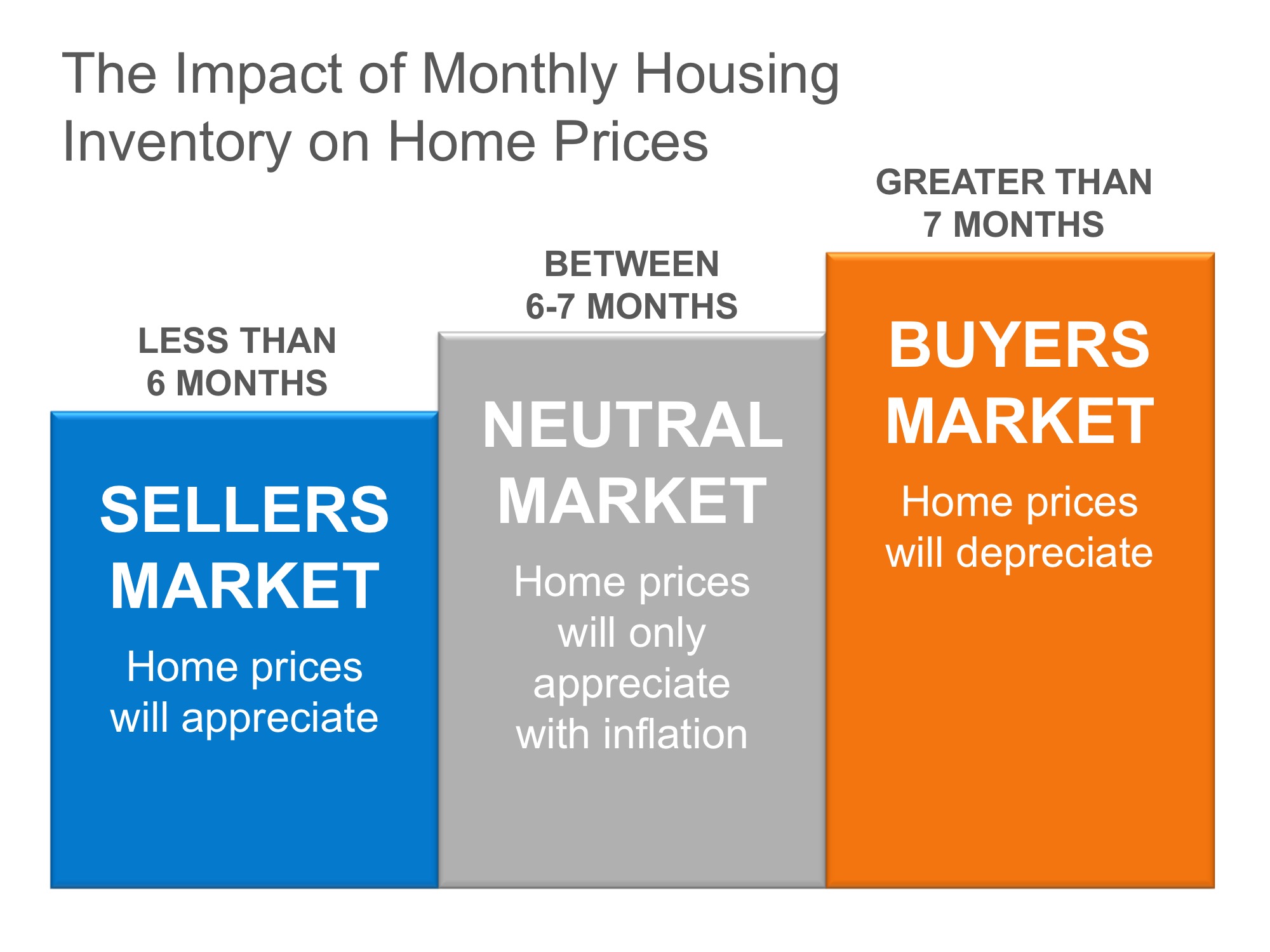
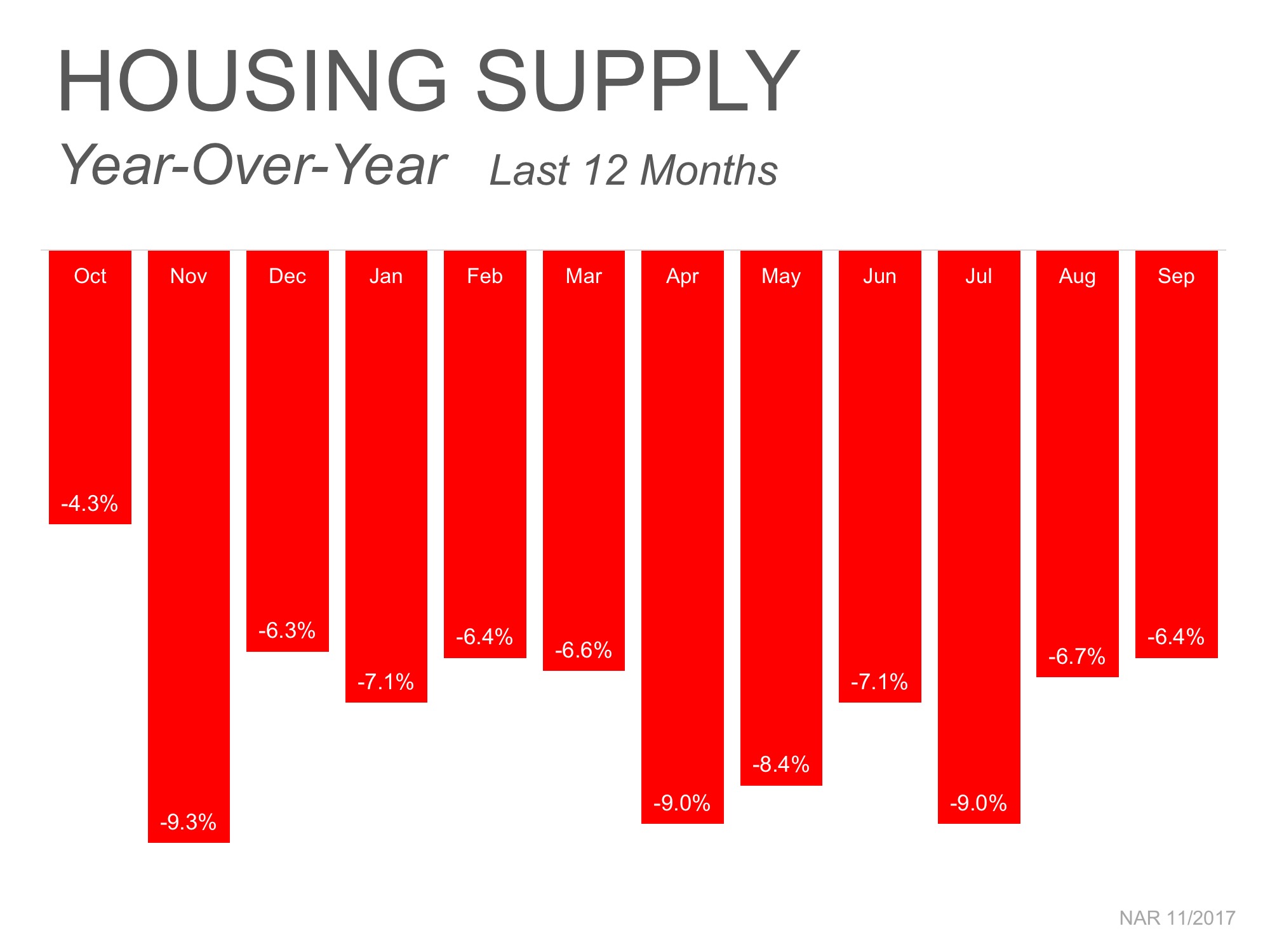
It is that simple. In real estate, it takes a six-month supply of existing salable inventory to maintain pricing stability. In most housing markets, anything less than six months will cause home values to appreciate and anything more than seven months will cause prices to depreciate (see chart 1).
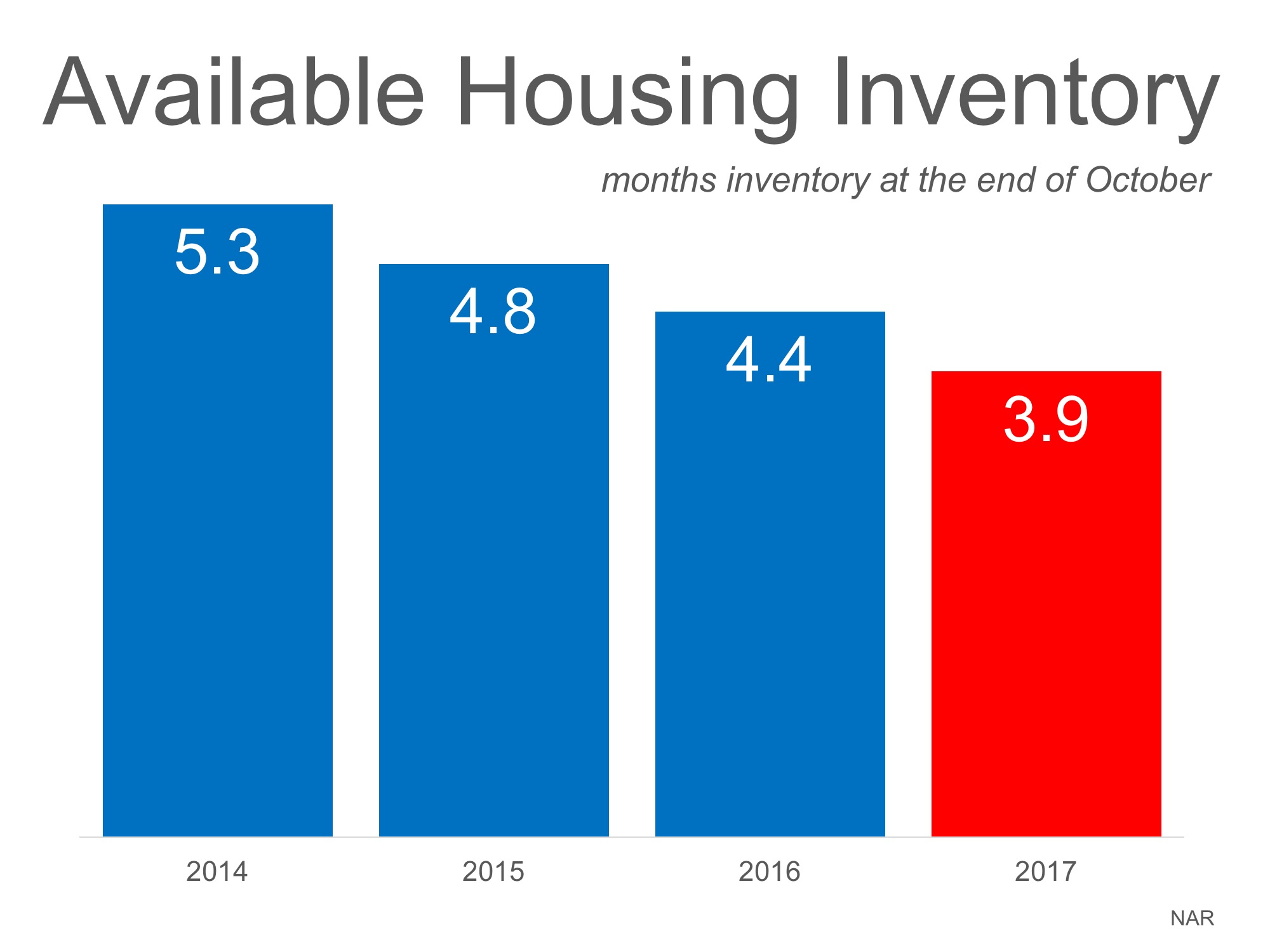
According to the Existing Home Sales Report from the National Association of Realtors (NAR), the monthly inventory of homes has been below six months for the last four years (see chart 2).
The Real Reason Home Prices are Increasing | MyKCM

Bottom Line

If buyer demand outpaces the current supply of existing homes for sale, prices will continue to appreciate. Nothing nefarious is taking place. It is simply the theory of supply & demand working as it should.

Monday, January 22, 2018

Believe it or not, home affordability is some of the best that it has ever been! Well, except for California...


Your Friends Are Crazy Wrong If They're Telling You Not to Buy


Your Friends Are Crazy Wrong if They're Telling You Not to Buy | MyKCM
The current narrative is that home prices have risen so much so that it is no longer a smart idea to purchase a home. Your family and friends might suggest that buying a home right now (whether a first-time home or a move-up home) makes absolutely no sense from an affordability standpoint. They are wrong!
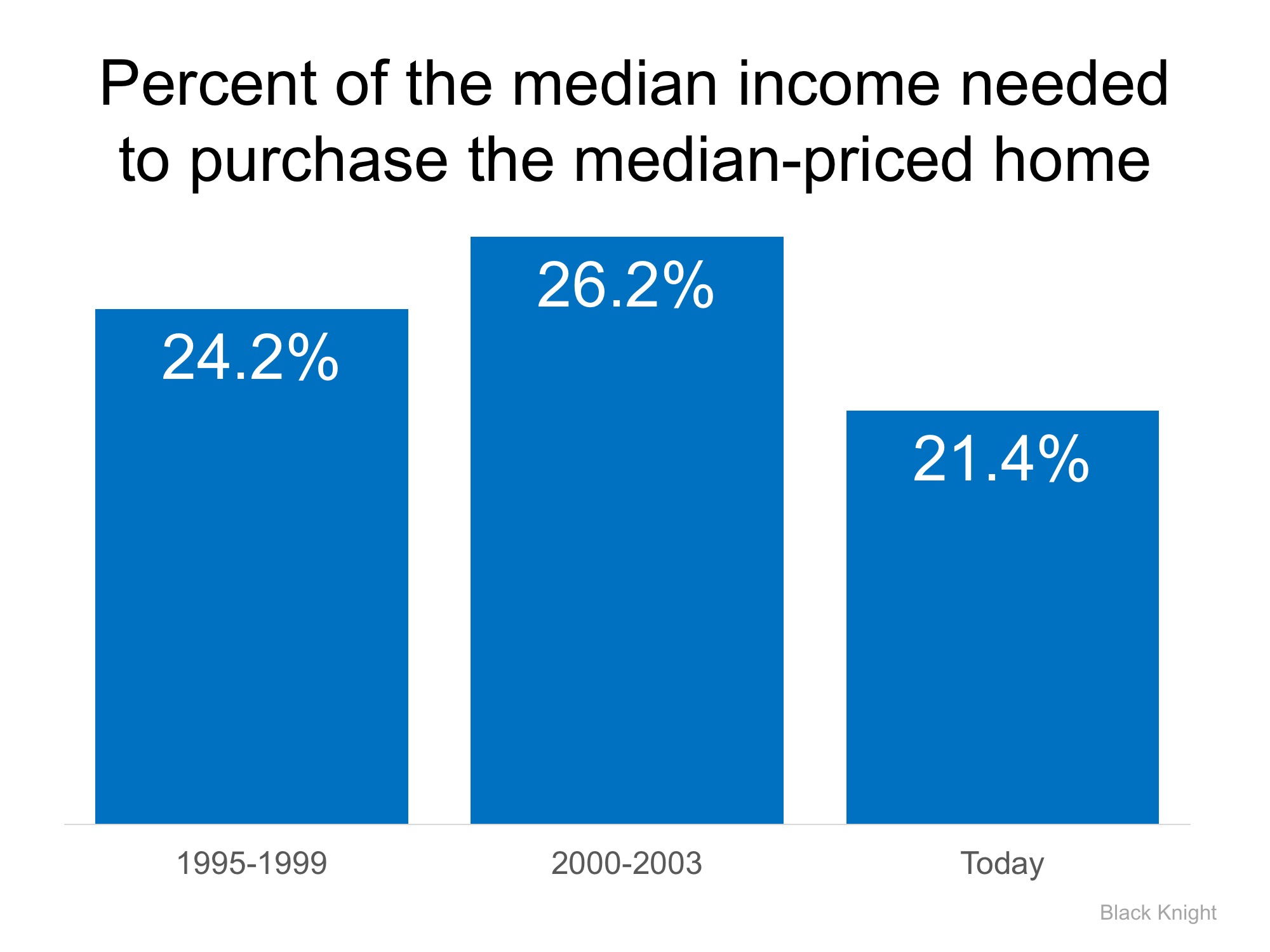
Homes are more affordable right now than at almost any time in our country’s history except for the foreclosure years (2009-2015) when homes sold at major discounts. As an example, below is a graph from the latest Black Knight Mortgage Monitor showing the percentage of median income needed to buy a medium-priced home in the country today in comparison to prior to the housing bubble and bust.
Your Friends Are Crazy Wrong if They're Telling You Not to Buy | MyKCM
As we can see, the percentage necessary is less now than in those time periods.
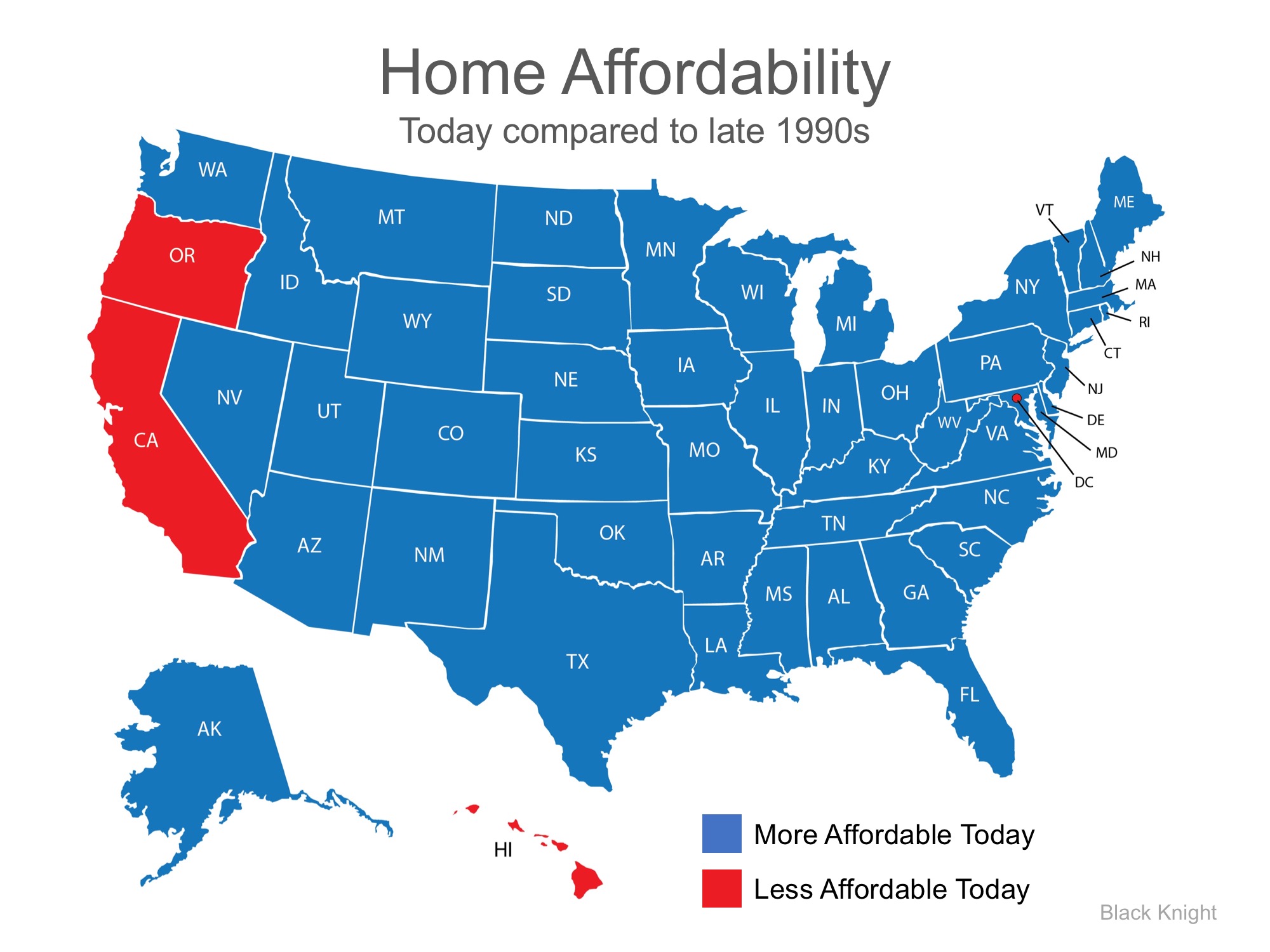
The Mortgage Monitor also explains that home affordability is better today than it was in the late 1990s in 47 of 50 states.
Your Friends Are Crazy Wrong if They're Telling You Not to Buy | MyKCM

Bottom Line

Your friends and family have your best interests at heart. However, when it comes to buying your first home or selling your current house to buy the home of your dreams, let’s get together to discuss what your best move is, now.

Friday, January 12, 2018

The supply of distressed housing has dramatically decreased, however that is not having a negative impact on the affordability of the housing market.

2 Charts That Show the Truth about Home Affordability

2 Charts That Show the Truth about Home Affordability | MyKCM
There is a lot of discussion about the current state of housing affordability for both first-time and move-up buyers, and much of the narrative is tarnished with a negative slant. However, the truth is that housing affordability is better today than at almost any time in our history.
The naysayers are correct in the fact that affordability today is not as good as it has been over the last several years. But, we must remember that home prices collapsed during the housing crash, and distressed properties (foreclosures and short sales) kept home values depressed for years. When we compare affordability to the decades that proceeded the crash, a different story is revealed.
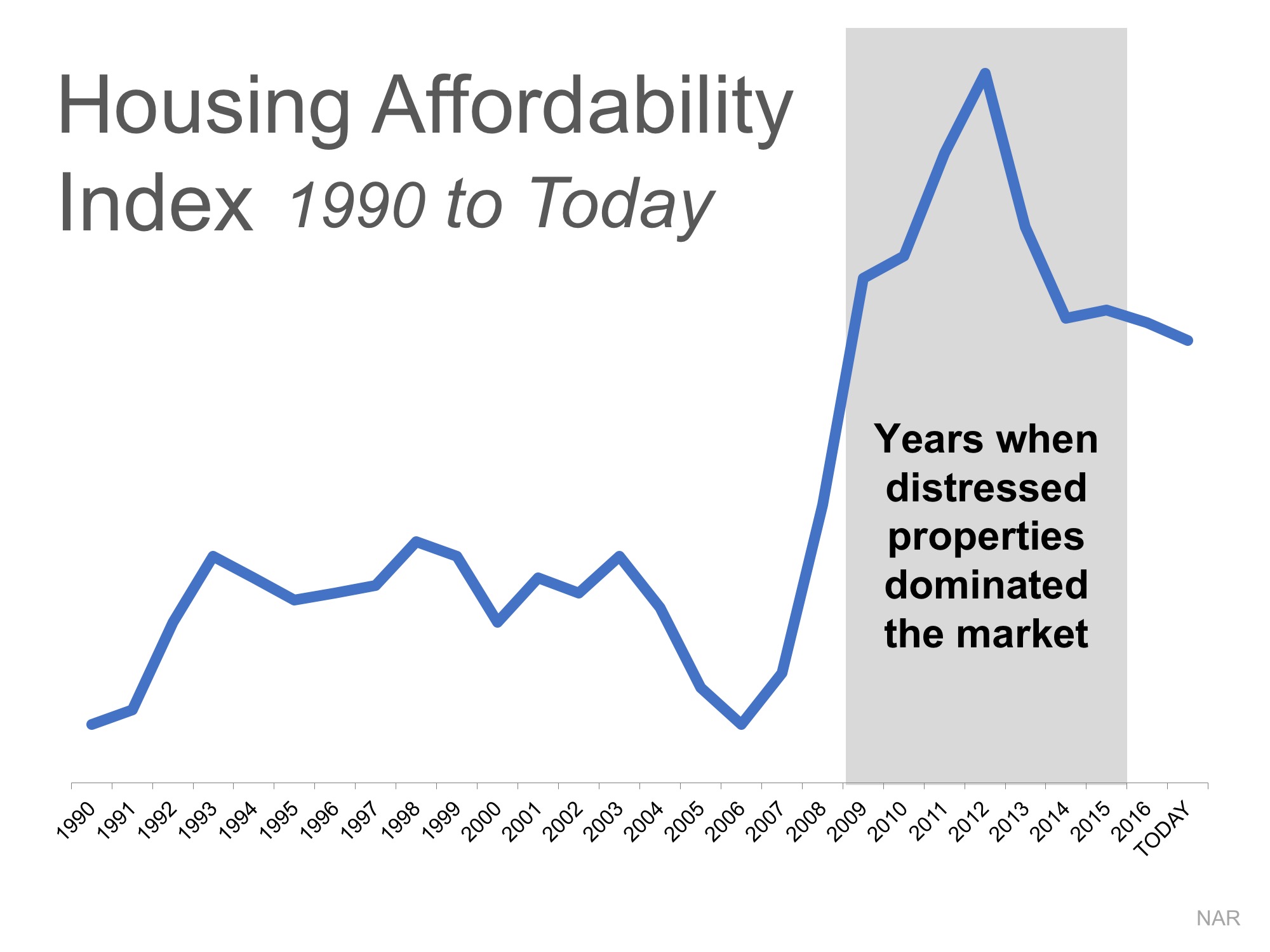
Here is a graph of the National Association of Realtors’ Housing Affordability Index. The higher the graph, the more affordable homes are.
2 Charts That Show the Truth about Home Affordability | MyKCM
We can see that affordability is better today than in the fifteen years prior to the boom and bust.
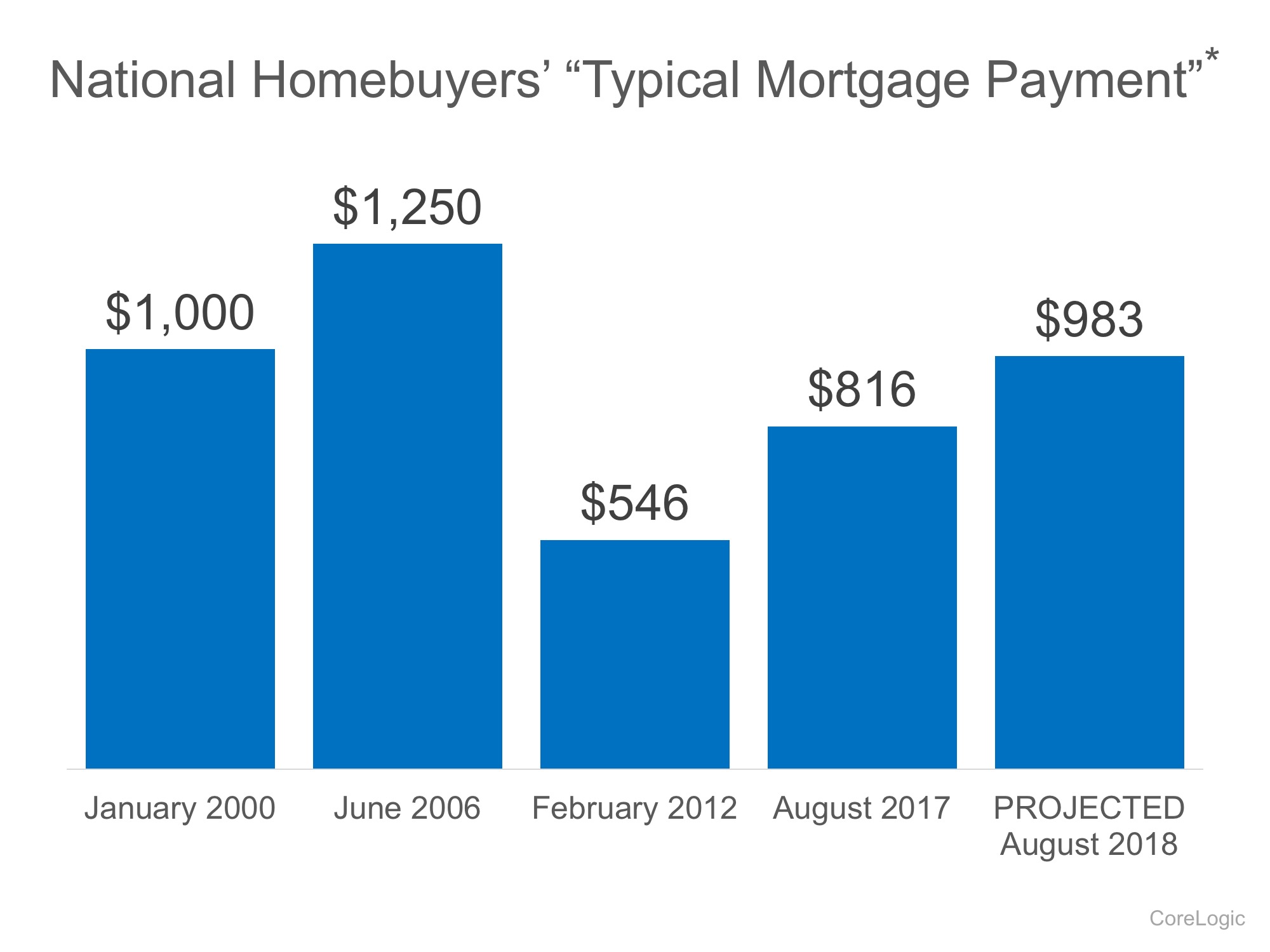
CoreLogic just published a report showing the National Homebuyers’ “Typical Mortgage Payment.” Here is a graph of their findings:
2 Charts That Show the Truth about Home Affordability | MyKCM
It reveals that, though a ‘typical’ housing payment was less expensive in 2012 (remember distressed properties), it is currently less expensive than it was in 2000 and is still projected to be lower next year than it was in 2000.

Bottom Line

Mark Fleming, Chief Economist at First American, explained it best:
“While borrowing power for the potential home buyer has fallen relative to the low point of 2012, it remains high today and will remain high next year, relative to the long run average. If you don’t want to rent anymore and are considering becoming a homeowner, even if mortgage rates rise next year, your borrowing power will remain strong by historic standards.”

Wednesday, December 13, 2017

Selling your home during the holidays may not be such a bad idea after all...

7 Reasons to List Your Home This Holiday Season

7 Reasons to List Your Home This Holiday Season | MyKCM
Every year at this time, many homeowners decide to wait until after the holidays to put their homes on the market for the first time, while others who already have their homes on the market decide to take them off until after the holidays.

Here are seven great reasons not to wait:

  1. Relocation buyers are out there. Many companies are still hiring throughout the holidays and need their employees in their new positions as soon as possible.
  2. Purchasers who are looking for homes during the holidays are serious buyers and are ready to buy now.
  3. You can restrict the showings on your home to the times you want it shown. You will remain in control.
  4. Homes show better when decorated for the holidays.
  5. There is less competition for you as a seller right now. Let’s take a look at listing inventory as compared to the same time last year:
7 Reasons to List Your Home This Holiday Season | MyKCM
  1. The desire to own a home doesn’t stop when the holidays come. Buyers who were unable to find their dream home during the busy spring and summer months are still searching!
  2. The supply of listings increases substantially after the holidays. Also, in many parts of the country, new construction will continue to surge reaching new heights in 2018, which will lessen the demand for your house.

Wednesday, November 15, 2017

Do you know the steps in a mortgage process?

The Mortgage Process: What You Need to Know [INFOGRAPHIC]

The Mortgage Process: What You Need to Know [INFOGRAPHIC] | MyKCM

Some Highlights:

  • Many buyers are purchasing a home with a down payment as little as 3%.
  • You may already qualify for a loan, even if you don't have perfect credit.
  • Take advantage of the knowledge of your local professionals who are there to help you determine how much you can afford.

Tuesday, November 7, 2017

Thinking of selling your home, but concerned that you don't have enough equity to make a move? Check with a local Realtor, you may be surprised!

The Truth About Homeowner Equity

The Truth About Homeowner Equity | MyKCM
A recent article from a reputable news source was titled: Here's why some homeowners still can't sell. In the opening bullets of the article, the author claimed, “Negative equity is one of the main reasons why there are so few homes for sale.” The article then goes on to soften that stance but we want to bring better clarity to the equity situation.
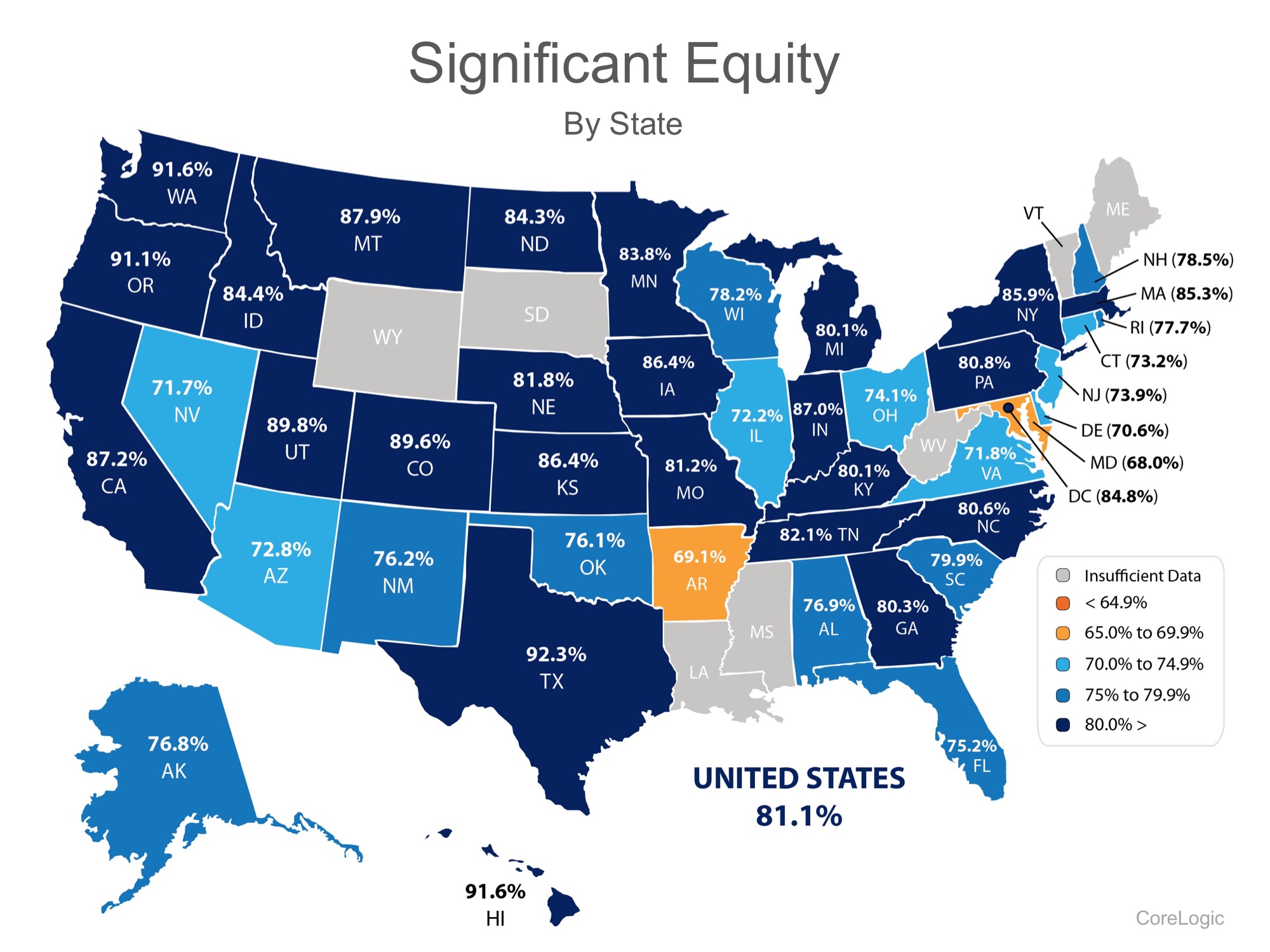
A recent report from CoreLogic (which was quoted in the article) revealed that over 80% of all homes now have “significant equity,” which means the home has over 20% equity. That level of equity allows the homeowner to sell their home if they so desire. (There was no reference to significant equity in the article.)
If eight out of ten homeowners now have significant equity in their homes, it is hard to make the claim that lack of equity is “one of the main reasons why there are so few homes for sale.”
Here is a map showing the percentage of homes in each state which currently have significant equity:
The Truth About Homeowner Equity | MyKCM

Bottom Line

If you are one of many homeowners who is debating selling your home and are wondering how much equity you have accumulated, let’s get together to determine if now is the time to list.

Wednesday, November 1, 2017

Every home seller wants to get as much money as they can...a Realtor can help you achieve that goal!


How to Get the Most Money from the Sale of Your Home


How to Get the Most Money from the Sale of Your Home | MyKCM
Every homeowner wants to make sure they maximize their financial reward when selling their home. But how do you guarantee that you receive maximum value for your house? Here are two keys to ensure that you get the highest price possible.

1. Price it a LITTLE LOW 

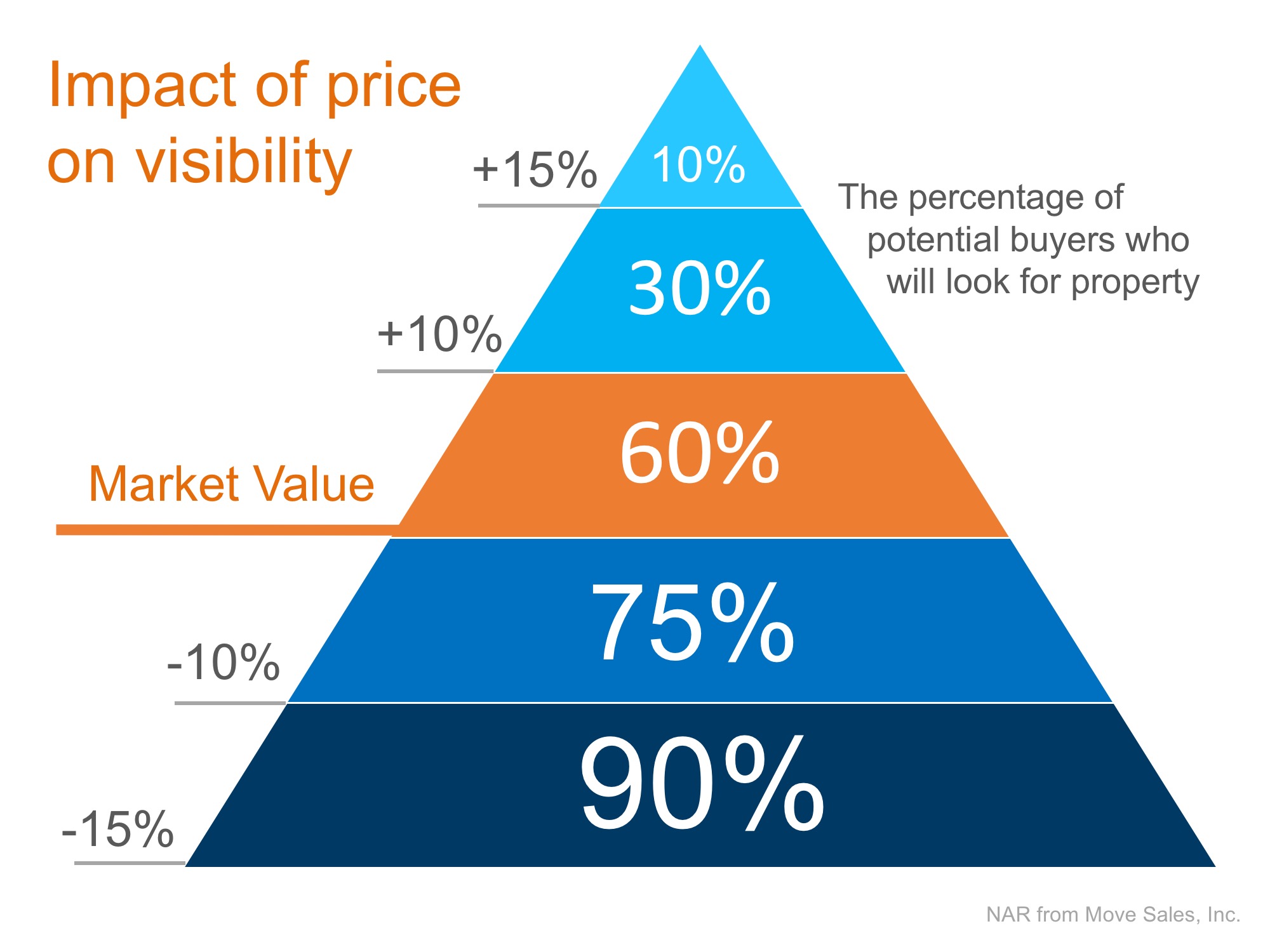
This may seem counterintuitive. However, let’s look at this concept for a moment. Many homeowners think that pricing their home a little OVER market value will leave them room for negotiation. In actuality, this just dramatically lessens the demand for your house (see chart below).
How to Get the Most Money from the Sale of Your Home | MyKCM
Instead of the seller trying to ‘win’ the negotiation with one buyer, they should price it so that demand for the home is maximized. By doing this, the seller will not be fighting with a buyer over the price, but will instead have multiple buyers fighting with each other over the house.
Realtor.com gives this advice:
“Aim to price your property at or just slightly below the going rate. Today’s buyers are highly informed, so if they sense they’re getting a deal, they’re likely to bid up a property that’s slightly underpriced, especially in areas with low inventory.”

2. Use a Real Estate Professional

This, too, may seem counterintuitive. The seller may think they would make more money if they didn’t have to pay a real estate commission. With this being said, studies have shown that homes typically sell for more money when handled by a real estate professional.
A new study by Collateral Analytics, reveals that FSBOs don’t actually save any money, and in some cases may be costing themselves more, by not listing with an agent.
In the study, they analyzed home sales in a variety of markets in 2016 and the first half of 2017. The data showed that:
“FSBOs tend to sell for lower prices than comparable home sales, and in many cases below the average differential represented by the prevailing commission rate.”
The results of the study showed that the differential in selling prices for FSBOs when compared to MLS sales of similar properties is about 5.5%. Sales in 2017 suggest the average price was near 6% lower for FSBO sales of similar properties.

Bottom Line

Price your house at or slightly below the current market value and hire a professional. This will guarantee that you maximize the price you get for your house.

Tuesday, June 20, 2017

As we wrap up the spring market, real estate analysts have positive things to say about the housing market...

How's the Real Estate Market? Find Out What the Experts Are Saying

How's the Real Estate Market? Find Out What the Experts Are Saying | MyKCM
As we head into summer, it is a great time to review how the 2017 real estate market is doing so far. Here is what the experts are saying:

Doug Duncan, Fannie Mae Chief Economist

“Positive demographic factors should continue to reshape the housing market, as rising employment and incomes appear to be positively influencing millennial homeownership rates.”

Diana Olick, CNBC

“Even as more homes come on the market for this traditionally popular sales season, they're flying off fast, with bidding wars par for the course. Home prices have now surpassed their last peak, and at the entry level, where demand is highest, sellers are firmly in the driver's seat.”

Daren Blomquist, Senior VP at Attom

"I am guessing we will see it get even better… If you are considering moving, it could be a really good time to sell."

Lawrence Yun, NAR Chief Economist

"The early returns so far this spring buying season look very promising as a rising number of households dipped their toes into the market and were successfully able to close on a home last month. Although finding available properties to buy continues to be a strenuous task for many buyers, there was enough of a monthly increase in listings…for sales to muster a strong gain. Sales will go up as long as inventory does."

Mark Fleming, First American Chief Economist

“Despite higher mortgage rates, the potential for home sales increased on an annual basis driven by steady income and job growth, along with a surge in building permits. While it may be a little late for this spring, the increase in building permits is a welcome sign that some relief may be in sight for the inventory shortages that are holding back many markets from realizing their full potential this spring.”

Monday, June 12, 2017

Inventory is still low, which means buyer competition is high. Want some tips on making a strong offer? Here are 4...

4 Tips for Effectively Making an Offer

4 Tips for Effectively Making an Offer | MyKCM
So, you’ve been searching for that perfect house to call a ‘home,’ and you finally found one! The price is right, and in such a competitive market, you want to make sure that you make a good offer so that you can guarantee that your dream of making this house yours comes true!
Freddie Mac covered “4 Tips for Making an Offer” in their latest Executive Perspective. Here are the 4 tips they covered along with some additional information for your consideration:

1. Understand How Much You Can Afford

“While it's not nearly as fun as house hunting, fully understanding your finances is critical in making an offer.”
This ‘tip’ or ‘step’ should really take place before you start your home search process.
As we’ve mentioned before, getting pre-approved is one of many steps that will show home sellers that you are serious about buying, and will allow you to make your offer with the confidence of knowing that you have already been approved for a mortgage for that amount. You will also need to know if you are prepared to make any repairs that may need to be made to the house (ex: new roof, new furnace).

2. Act Fast

“Even though there are fewer investors, the inventory of homes for sale is also low and competition for housing continues to heat up in many parts of the country.” 
According to the latest Existing Home Sales Report, the inventory of homes for sale is currently at a 3.7-month supply; this is well below the 6-month supply that is needed for a ‘normal’ market. Buyer demand has continued to outpace the supply of homes for sale, causing buyers to compete with each other for their dream homes.
Make sure that as soon as you decide that you want to make an offer, you work with your agent to present it as soon as possible.

3. Make a Solid Offer

Freddie Mac offers this advice to help make your offer the strongest it can be:
“Your strongest offer will be comparable with other sales and listings in the neighborhood. A licensed real estate agent active in the neighborhoods you are considering will be instrumental in helping you put in a solid offer based on their experience and other key considerations such as recent sales of similar homes, the condition of the house and what you can afford.”
Talk with your agent to find out if there are any ways that you can make your offer stand out in this competitive market!

4. Be Prepared to Negotiate

“It's likely that you'll get at least one counteroffer from the sellers so be prepared. The two things most likely to be negotiated are the selling price and closing date. Given that, you'll be glad you did your homework first to understand how much you can afford.
Your agent will also be key in the negotiation process, giving you guidance on the counteroffer and making sure that the agreed-to contract terms are met.”
If your offer is approved, Freddie Mac urges you to “always get an independent home inspection, so you know the true condition of the home." If the inspector uncovers undisclosed problems or issues, you can discuss any repairs that may need to be made with the seller, or cancel the contract.

Bottom Line 

Whether you’re buying your first home or your fifth, having a local professional on your side who is an expert in their market is your best bet in making sure the process goes smoothly. Happy House Hunting!

Monday, December 5, 2016

Interest rates for mortgages have increased slightly over the past few weeks...


Mortgage Interest Rates Just Went Up… Should I Wait to Buy?


Mortgage Interest Rates Just Went Up… Should I Wait to Buy? | MyKCM
Mortgage interest rates, as reported by Freddie Mac, have increased over the last several weeks. Along with Freddie MacFannie Mae, the Mortgage Bankers Association and the National Association of Realtors are all calling for mortgage rates to continue to rise over the next four quarters.
This has caused some purchasers to lament the fact they may no longer be able to get a rate less than 4%. However, we must realize that current rates are still at historic lows.
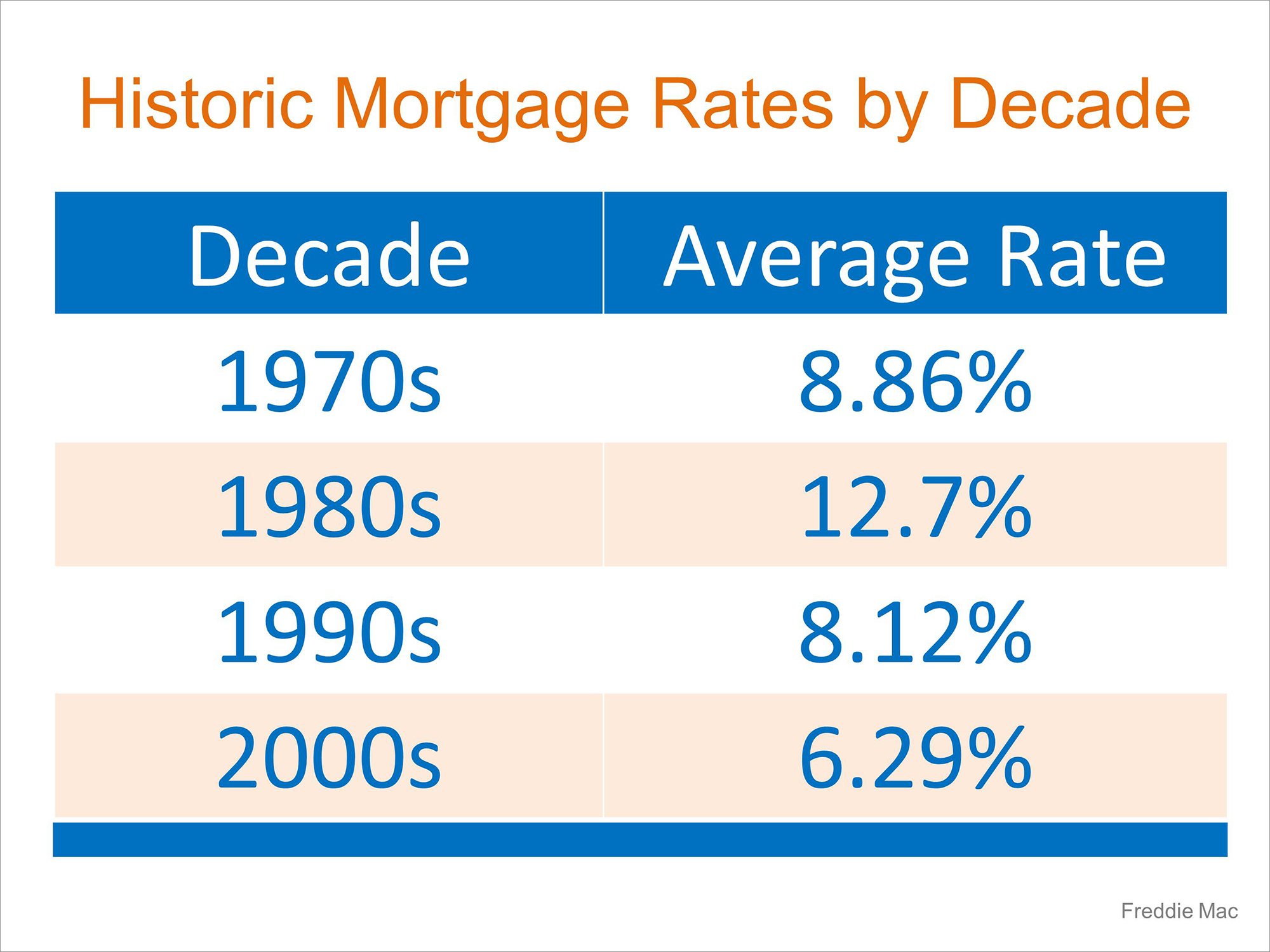
Here is a chart showing the average mortgage interest rate over the last several decades.
Mortgage Interest Rates Just Went Up… Should I Wait to Buy? | MyKCM

Bottom Line

Though you may have missed getting the lowest mortgage rate ever offered, you can still get a better interest rate than your older brother or sister did ten years ago; a lower rate than your parents did twenty years ago and a better rate than your grandparents did forty years ago.

Tuesday, December 22, 2015

The economy is showing signs of recovery, including pockets of the housing market.

Now may be the time to buy, and start building your family's weath. 
 
Building Family Wealth Over The Next 5 Years | Keeping Current Matters
As the economy continues to improve, more and more Americans are seeing their personal financial situations also improving. Instead of just getting by, many are now beginning to save and find other ways to build their net worth. One way to dramatically increase their family wealth is through the acquisition of real estate.
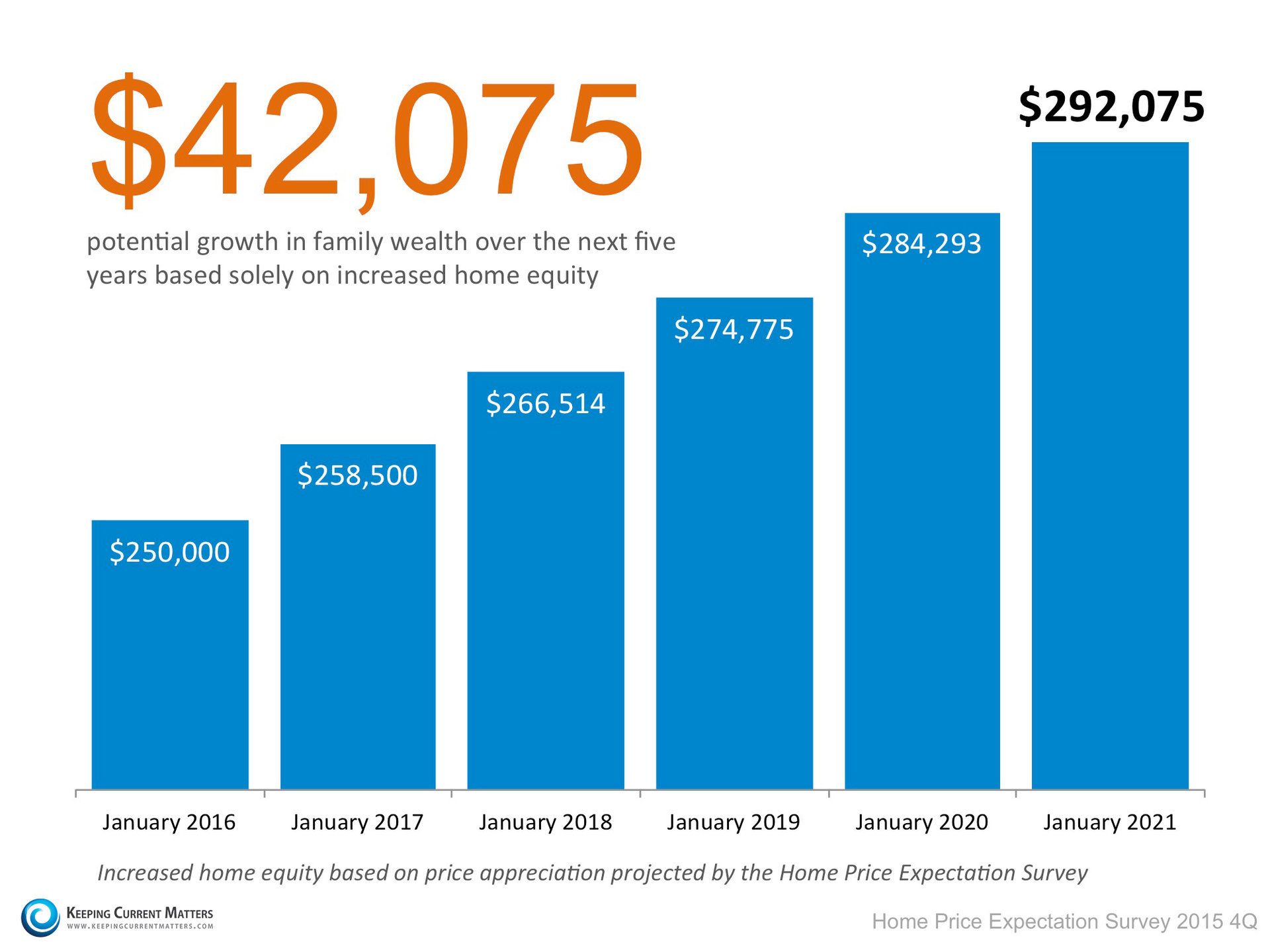
For example, let’s assume a young couple purchases and closes on a $250,000 home in January. What will that home be worth five years down the road?
Pulsenomics surveys a nationwide panel of over one hundred economists, real estate experts and investment & market strategists every quarter. They ask them to project how residential prices will appreciate over the next five years. According to their latest survey, here is how much value that $250,000 house will gain in the coming years.
Family Wealth Earned with Home Equity | Keeping Current Matters
Over a five year period, that homeowner can build their home equity to over $40,000. And, in many cases, home equity is large portion of a family’s overall net worth.

Bottom Line

If you are looking to better your family’s long-term financial situation, buying your dream home might be a great option.

Wednesday, November 25, 2015

Distressed sales dropping...

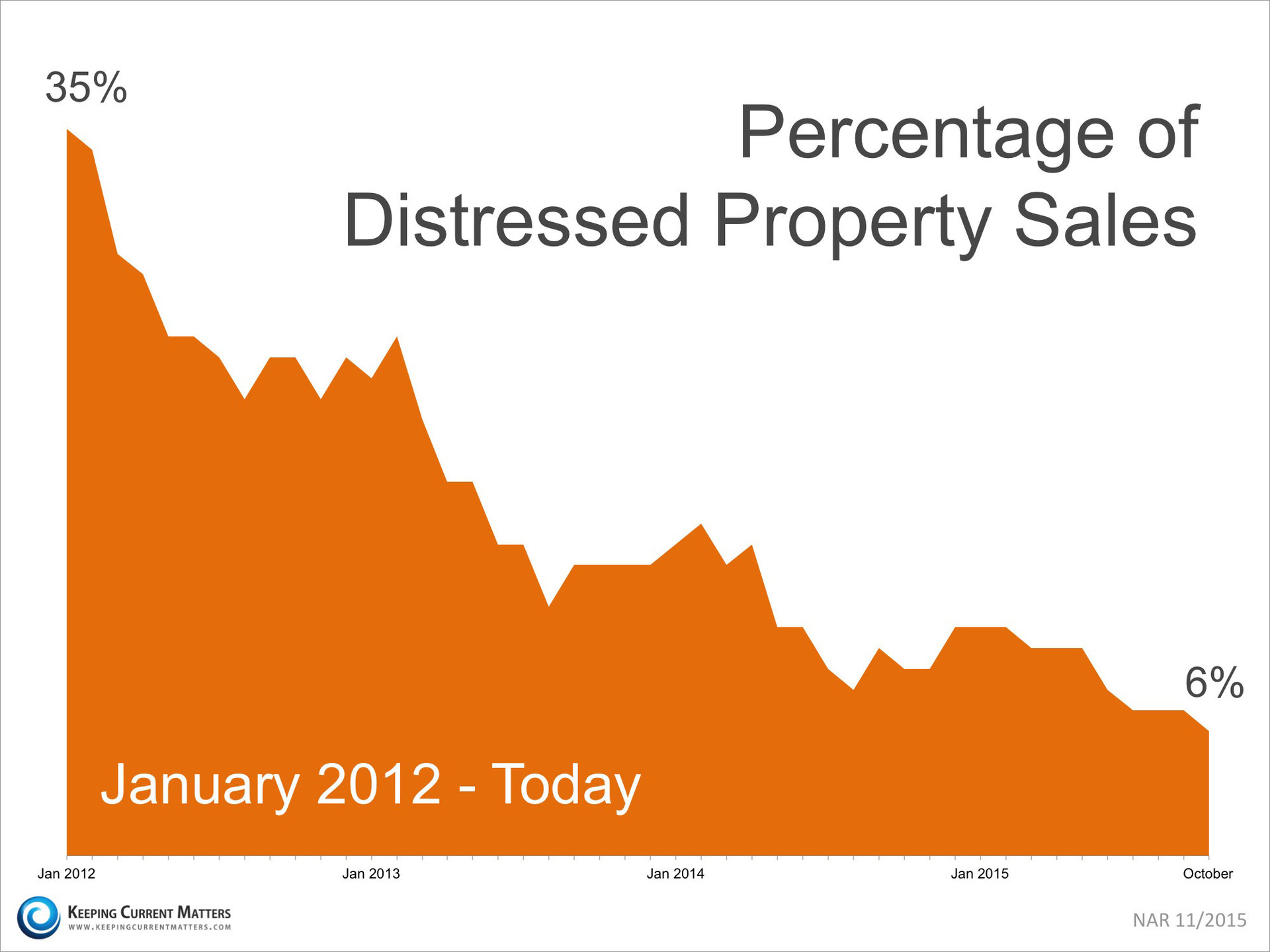
The National Association of Realtors began tracking distressed sales in October of 2008. When the housing market hit its lowest point in 2012, distressed sales accounted for 35% of all homes sold. This October, distressed sales amounted to only 6% of all homes sold. That is an improvement from 9% in October of 2014, and the lowest ever, since NAR started keeping tabs on distressed sales. Now that is something to be thankful for!  
 
 
Distressed Property Sales Hit New Low | Keeping Current Matters
The National Association of Realtors (NAR) just released their Existing Home Sales Report revealing that distressed property sales accounted for 6% of sales in October. This is down from 9% in 2014 and the lowest figure since NAR began tracking distressed sales in October 2008.
Below is a graph that shows just how far the market has come since January 2012 when distressed sales accounted for 35% of all sales.
Percentage of Distressed Property Sales | Keeping Current Matters

Existing Home Sales Up Year-Over-Year

Mortgage interest rates remained below 4% in October prompting existing home sales to stay at a healthy annual pace of 5.36 million. Year-over-year sales were up 3.9%.
Inventory of homes for sale remain below the 6-month supply that is necessary for a normal market, as they fell 2.3% to a 4.8-months supply. The shortage in inventory has contributed to the median home price rising an additional 5.8% to $219,600.
NAR’s Chief Economist, Lawrence Yun had this to say about the lack of inventory:
"New and existing-home supply has struggled to improve so far this Fall, leading to few choices for buyers and no easement of the ongoing affordability concerns still prevalent in some markets."
There is good news though, as Yun went on to say:
"As long as solid job creation continues, a gradual easing of credit standards even with moderately higher mortgage rates should support steady demand and sales continuing to rise above a year ago."

Bottom Line

If you are debating putting your home on the market this year, now may be the time. Buyers are still out there looking for their dream home. Meet with a local real estate professional who can help you determine your best plan.

Tuesday, November 3, 2015

Baby boomers are going to have a big impact on the housing market...


Baby Boomers Finding Freedom In Retirement | Keeping Current Matters
Within the next five years, Baby Boomers are projected to have the largest household growth of any other generation during that same time period, according to the Joint Center for Housing Studies of Harvard. Let’s take a look at why…
In a recent Merrill Lynch study“Home in Retirement: More Freedom, New Choices” they surveyed nearly 6,000 adults ages 21 and older about housing. 

Crossing the “Freedom Threshold”

Throughout our lives, there are often responsibilities that dictate where we live. Whether being in the best school district for our children, being close to our jobs, or some other factor is preventing a move, the study found that there is a substantial shift that takes place at age 61.
The study refers to this change as “Crossing the Freedom Threshold”. When where you live is no longer determined by responsibilities, but rather a freedom to live wherever you like. (see the chart below)
Crossing The Freedom Threshold | Keeping Current Matters
As one participant in the study stated:
“In retirement, you have the chance to live anywhere you want. Or you can just stay where you are. There hasn’t been another time in life when we’ve had that kind of freedom.”

On the Move

According to the study, “an estimated 4.2 million retirees moved into a new home last year alone.” Two-thirds of retirees say that they are likely to move at least once during retirement.
The top reason to relocate cited was “wanting to be closer to family” at 29%, a close second was “wanting to reduce home expenses”. See the chart below for the top 6 reasons broken down.
Merrill Lynch Moving In Retirement | Keeping Current Matters

Not Every Baby Boomer Downsizes

There is a common misconception that as retirees find themselves with fewer children at home, they will instantly desire a smaller home to maintain. While that may be the case for half of those surveyed, the study found that three in ten decide to actually upsize to a larger home.
Some choose to buy a home in a desirable destination with extra space for large family vacations, reunions, extended visits, or to allow other family members to move in with them.
"Retirees often find their homes become places for family to come together and reconnect, particularly during holidays or summer vacations."

Bottom Line

If your housing needs have changed or are about to change, meet with a local real estate professional in your area who can help with deciding your next step.