Showing posts with label selling a home. Show all posts

Sunday, December 2, 2018

Myths can harm any industry - real estate is no exception. Don't believe everything you hear...

Top 3 Myths About Today’s Real Estate Market

Top 3 Myths About Today’s Real Estate Market | MyKCM
There are many conflicting headlines when it comes to describing today’s real estate market. Some are making comparisons to the market we experienced 10 years ago and are starting to believe that we may be doomed to repeat ourselves. Others are just plain wrong when it comes to what it takes to qualify for a mortgage.
Today, we want to try and clear the air by shedding some light on what’s causing some of these headlines, as well as what’s truly going on.

Myth #1: We Are Headed for Another Housing Bubble

Home prices have appreciated year-over-year for the last 76 straight months. Many areas of the country are at or near their peak prices achieved before the last housing bubble burst. This has many worried that we are headed towards another housing bubble.
Reality: The biggest challenge facing today’s real estate market is a lack of homes for sale! Demand is strong, as many renters have come off the fence and are searching for their dream homes.
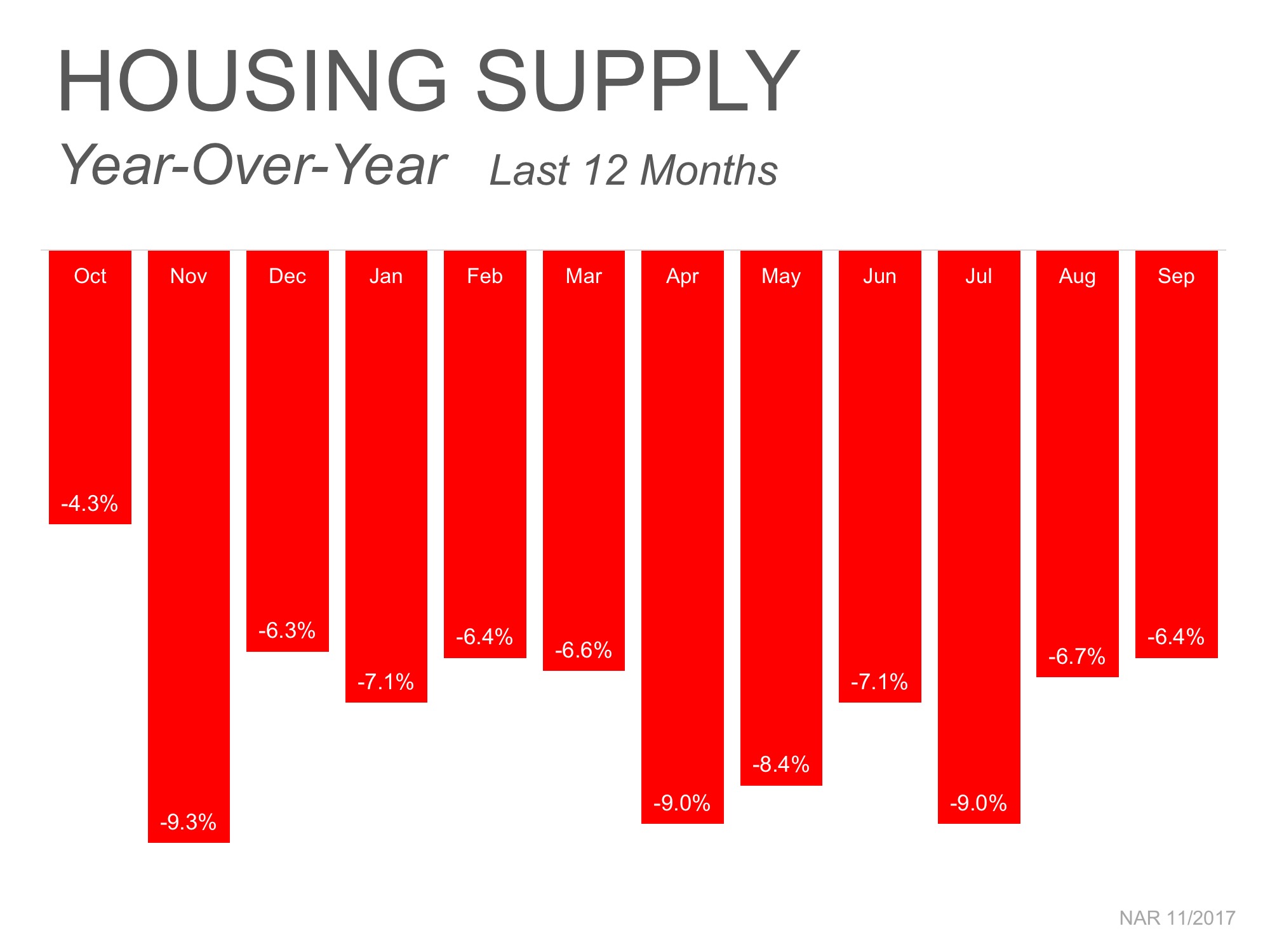
Historically, a normal market requires a 6-month supply of inventory in order for prices to rise with the rate of inflation. According to the National Association of Realtors (NAR) there is currently a 4.3-month supply of inventory.
The US housing market hasn’t had 6-months inventory since August 2012! The concept of supply and demand is what is driving home prices up!

Myth #2: The Rumored Recession Will Lead to Another Housing Market Crash

Economists and analysts know that the country has experienced economic growth for almost a decade. When this happens, they also know that a recession can’t be too far off. But what is a recession?
Merriam-Webster defines a recession as “a period of temporary economic decline during which trade and industrial activity are reduced, generally identified by a fall in GDP in two consecutive quarters.”
Reality: Recession DOES NOT equal housing crisis. Many people associate these two terms with one another because the last time we had a recession it was caused by a housing crisis. According to the Federal Reserve, over the last 40 years, there have been six recessions. In each of the previous five recessions, home values appreciated.

Myth #3: There is an Affordability Crisis Looming

Rising home prices have many concerned that the average family will no longer be able to afford the most precious piece of the American Dream – their own home.
There are many different affordability indexes supported by different organizations that all measure different data. For this reason, there is a lot of confusion about what “affordable” actually means.
The monthly cost of a home is determined by the home’s price and the interest rate on the mortgage used to purchase it. According to Freddie Mac, interest rates have risen from 3.95% in January to 4.59% just last week.
Reality: As we mentioned earlier, home prices have appreciated year-over-year for the last 76 months, largely driven by high demand and low supply.
According to a recent study by Zillow, the percentage of median income necessary to buy a home in today’s market (17.1%) is well below the mark reached in 1985 – 2000 (21%), as well as the mark reached in 2006 (25.4)! Interest rates would have to increase to 6% before buying a home would be less affordable than historical norms.
The starter-home market has appreciated at higher levels (9.4% year-over-year) than any other market. One reason for this is the fact that many of the first-time buyers who have flocked to the starter-home market are being met with high competition. For some hopeful buyers, it may take more than a good offer to stand out from the crowd!


Bottom Line

There is a lot of confusion in today’s real estate market. If your future plans include buying or selling, make sure you have a trusted advisor and market expert by your side to help guide you to the best decision for you and your family.

Monday, November 26, 2018

Looking to get the best price for your home, at this time of the year? Here are two tips for success...

Selling Your Home? Here’s 2 Ways to Get the Best Price!

Selling Your Home? Here’s 2 Ways to Get the Best Price! | MyKCMhttp://bit.ly/2PqrFwC
Every homeowner wants to make sure that they maximize their financial reward when selling their home, but how do you guarantee that you receive the maximum value for your house?
Here are two ways to ensure that you get the highest price possible.

1. Price it a Little Low

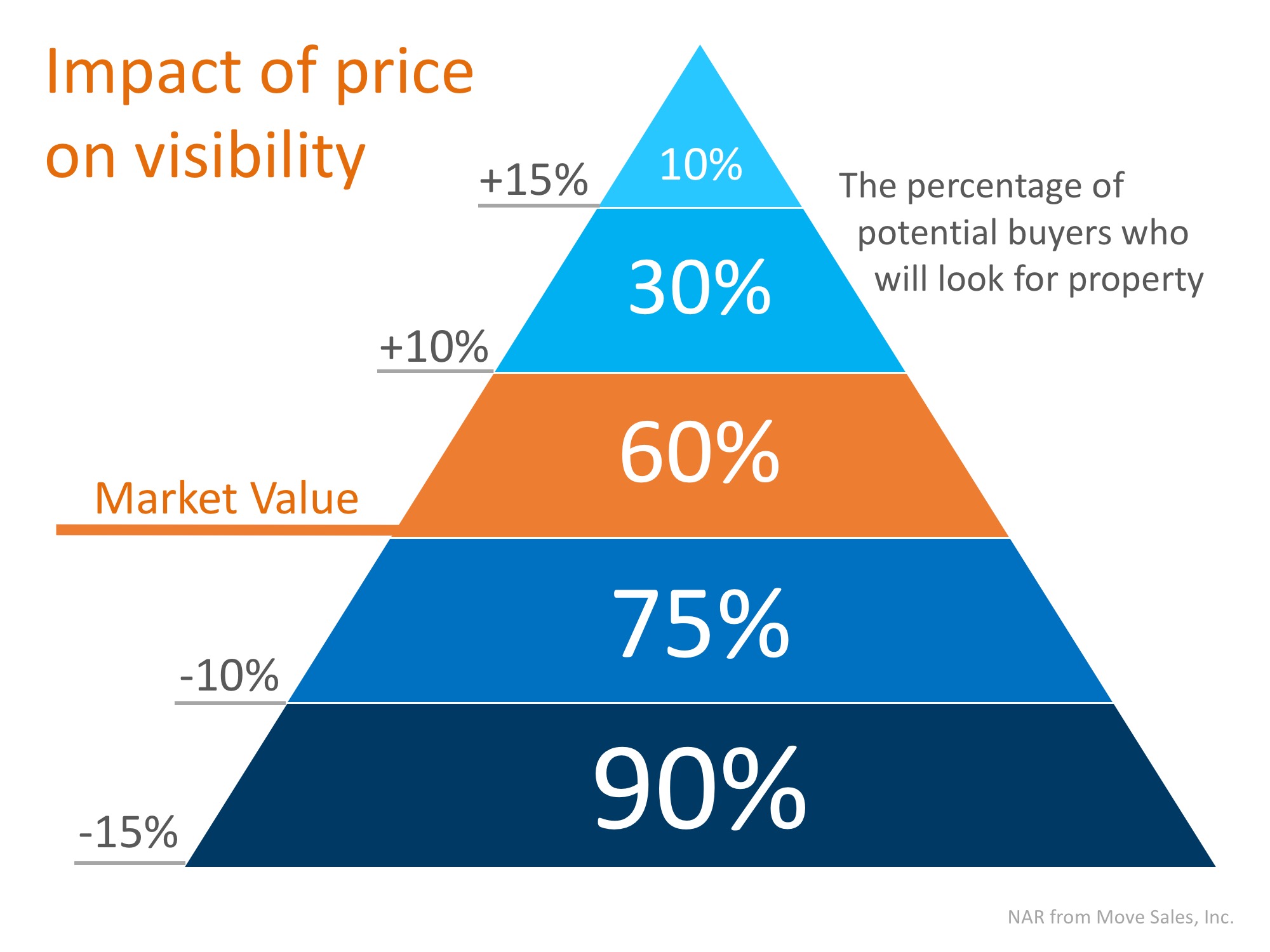
This may seem counterintuitive, but let’s take a look at this concept for a moment. Many homeowners think that pricing their homes a little OVER market value will leave them with room for negotiation when, in actuality, it just dramatically lessens the demand for their houses (see chart below).
Selling Your Home? Here’s 2 Ways to Get the Best Price! | MyKCM
Instead of the seller trying to ‘win’ the negotiation with one buyer, they should price their house so that demand for the home is maximized. By doing so, the seller will not be fighting with a buyer over the price but will instead have multiple buyers fighting with each other over the house.
Realtor.com gives this advice:
“Aim to price your property at or just slightly below the going rate. Today’s buyers are highly informed, so if they sense they’re getting a deal, they’re likely to bid up a property that’s slightly underpriced, especially in areas with low inventory.”

2. Use a Real Estate Professional

This, too, may seem counterintuitive as the seller may think that he or she will make more money by avoiding a real estate commission. With this being said, studies have shown that homes typically sell for more money when handled by real estate professionals.
study by Collateral Analytics, reveals that FSBOs don’t actually save any money, and in some cases may be costing themselves more, by not listing with an agent. The data showed that:
“FSBOs tend to sell for lower prices than comparable home sales, and in many cases below the average differential represented by the prevailing commission rate.”
The results of the study showed that the differential in selling prices for FSBOs, when compared to MLS sales of similar properties, is about 5.5%. Sales in 2017 suggest the average sales price was near 6% lower for FSBO sales of similar properties.

Bottom Line

Price your house at or slightly below the current market value and hire a professional. This will guarantee that you maximize the price you get for your house.

Tuesday, November 20, 2018

Not sure if you should sell NOW? Here are some things to consider...

4 Reasons to Sell This Fall [INFOGRAPHIC]

4 Reasons to Sell This Fall [INFOGRAPHIC] | MyKCM

Some Highlights:

  • Housing inventory is still under the 6-month supply that is needed for a normal housing market.
  • Buyers are often competing with one another for the listings that are available.
  • Perhaps the time has come for you and your family to move on and start living the life you desire.

Monday, November 19, 2018

Is retirement in your near future? Does your current home meet your needs? If not, it may be time to start planning your next step...

Will Your Current House Fit Your Needs in Retirement?

Will Your Current House Fit Your Needs in Retirement? | MyKCM
As more and more baby boomers enter retirement age, the question of whether or not to sell their homes and move will become a hot topic. In today’s housing market climate, with low available inventory in the starter and trade-up home categories, it makes sense to evaluate your home’s ability to adapt to your needs in retirement.
According to the National Association of Exclusive Buyers Agents (NAEBA), there are 7 factors that you should consider when choosing your retirement home.1

1. Affordability

“It may be easy enough to afford your home today but think long-term about your monthly costs. Account for property taxes, insurance, HOA fees, utilities – all the things that will be due whether or not you have a mortgage on the property.”
Would moving to a complex with homeowner association (HOA) fees actually be cheaper than having to hire all the contractors you would need to maintain your home, lawn, etc.? Would your taxes go down significantly if you relocated? What is your monthly income going to be like in retirement?

2. Equity

“If you have equity in your current home, you may be able to apply it to the purchase of your next home. Maintaining a healthy amount of home equity gives you a source of emergency funds to tap, via a home equity loan or reverse mortgage.”
The equity you have in your current home may be enough to purchase your retirement home with little to no mortgage. Homeowners in the US gained an average of over $16,300 in equity last year.

3. Maintenance

“As we age, our tolerance for cleaning gutters, raking leaves and shoveling snow can go right out the window. A condominium with low-maintenance needs can be a literal lifesaver, if your health or physical abilities decline.”
As we mentioned earlier, would a condo with an HOA fee be worth the added peace of mind in knowing that you do not have to do the maintenance work yourself?

4. Security

“Elderly homeowners can be targets for scams or break-ins. Living in a home with security features, such as a manned gate house, resident-only access and a security system can bring peace of mind.”
As scary as that thought may be, any additional security and an extra set of eyes looking out for you always adds to peace of mind.

5. Pets

“Renting won’t do if the dog can’t come too! The companionship of pets can provide emotional and physical benefits.”
Evaluate all of your options when it comes to bringing your ‘furever’ friend with you to a new home. Will there be necessary additional deposits if you are renting or moving in to a condo? Is the backyard fenced in? How far are you from your favorite veterinarian?

6. Mobility

“No one wants to picture themselves in a wheelchair or a walker, but the home layout must be able to accommodate limited mobility.”
Sixty is the new 40, right? People are living longer and are more active in retirement, but that doesn’t mean that down the road you won’t need your home to be more accessible. Having to install handrails and make sure that your hallways and doorways are wide enough may be a good reason to look for a home that was built to accommodate these needs.

7. Convenience

“Is the new home close to the golf course, or to shopping and dining? Do you have amenities within easy walking distance? This can add to home value!”
How close are you to your children and grandchildren? Would relocating to a new area make visits with family easier or more frequent? Beyond being close to your favorite stores and restaurants, there are a lot of factors to consider.

Bottom Line

When it comes to your forever home, evaluating your current house for its ability to adapt with you as you age can be the first step to guaranteeing your comfort in retirement. If after considering all these factors you find yourself curious about your options, let’s get together to evaluate your ability to sell your house in today’s market and get you into your dream retirement home!

Wednesday, November 7, 2018

If you are still in your first home, and busting at the seams, now may be a good time to act on upgrading!

Have You Outgrown Your Starter Home?

Have You Outgrown Your Starter Home? | MyKCM
For many Americans, buying their first home is their first taste of achieving part of the American Dream. There is a sense of pride that comes along with owning your own home and building your family’s wealth through your monthly mortgage payment.
It may seem hard to imagine that the first home you purchased (which made your dreams come true) might not be the home that will allow you to achieve the rest of your dreams. The good news is that it’s ok to admit that your home no longer fits your needs!
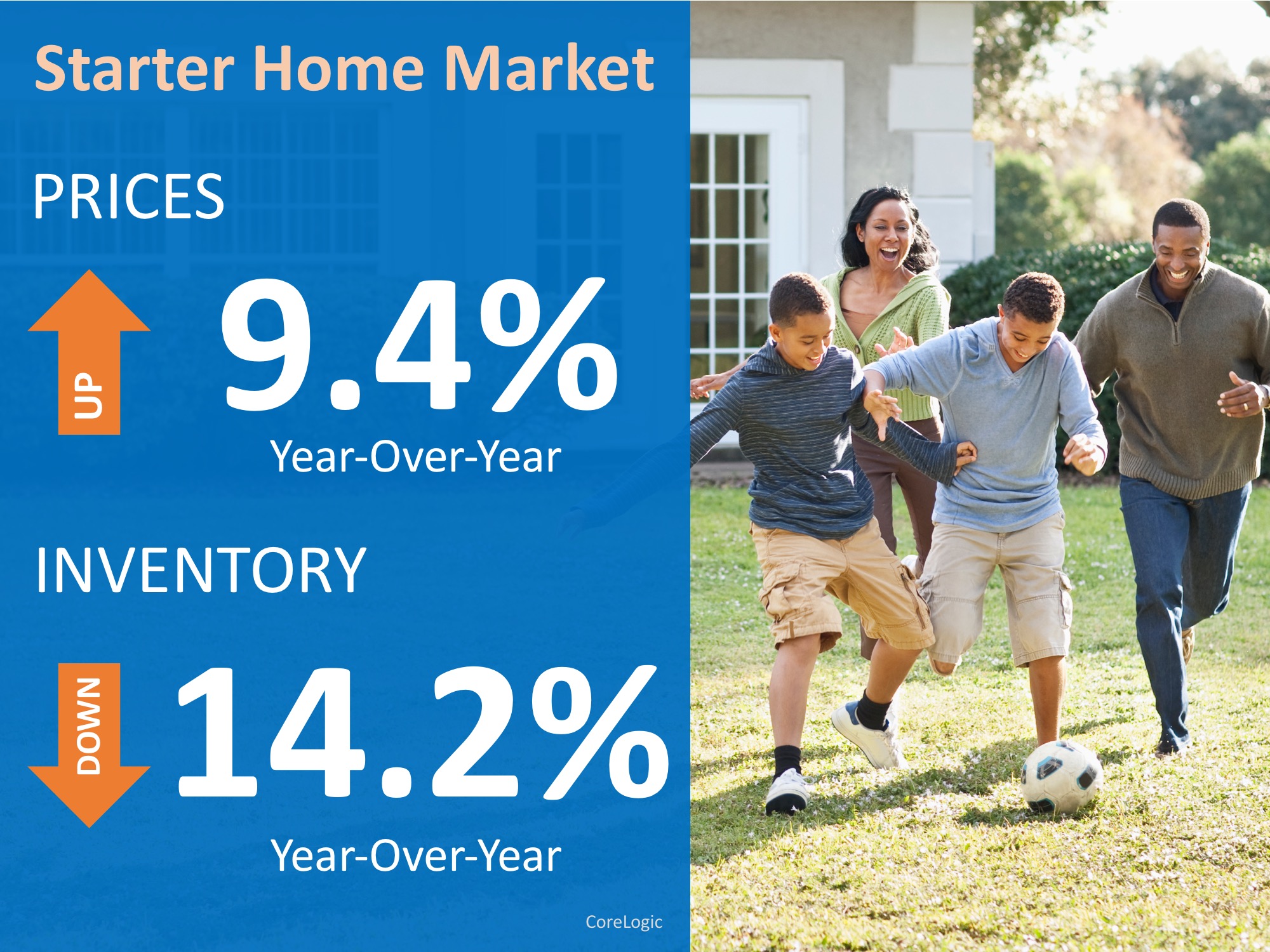
According to CoreLogic’s latest Home Price Index, prices in the starter home market have appreciated faster than any other category over the last year, at 9.4%. At the same time, inventory in this category has dropped 14.2%.
Have You Outgrown Your Starter Home? | MyKCM
These two stats are directly related to one another. As inventory has decreased and demand has increased, prices have been driven up.
This is great news if you own a starter home and are looking to move up to a larger home as the equity in your home has risen as prices have gone up. Even better is the fact that there is a large pool of buyers out there searching for your starter home to help them achieve their American Dream!

Bottom Line

If you have outgrown your starter home, contact a local real estate professional who can explain the market conditions in your area and help you find your next home!

Monday, November 5, 2018

Ten years ago, the housing market began it's downward spiral. The question has been raised if we couldn't be looking at a re-occurence, however there are some big differences between 2008 and 2018...

Housing Market: Another Gigantic Difference Between 2008 and 2018

Housing Market: Another Gigantic Difference Between 2008 and 2018 | MyKCM
Some are attempting to compare the current housing market to the market leading up to the “boom and bust” that we experienced a decade ago. They look at price appreciation and conclude that we are on a similar trajectory, speeding toward another housing crisis.
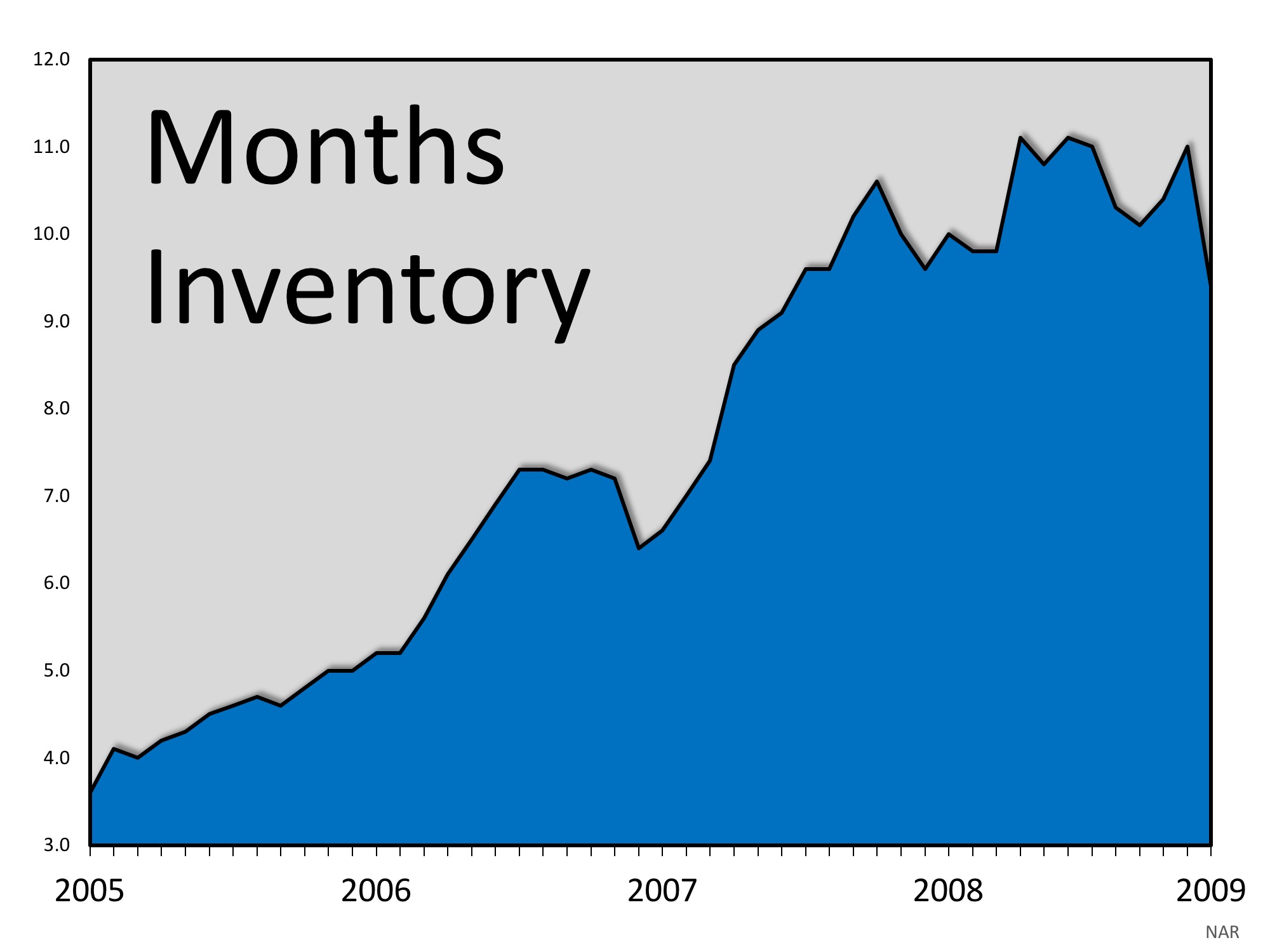
However, there is a major difference between the two markets. Last decade, while demand was being artificially created by extremely loose lending standards, a tremendous amount of inventory was coming to the market to satisfy that demand. Below is a graph of the inventory of homes available for sale leading up to the 2008 crash.

Housing Market: Another Gigantic Difference Between 2008 and 2018 | MyKCM
A normal market should have approximately 6 months supply of housing inventory. As we can see, that number jumped to over 11 months supply leading up to the housing crisis. When questionable mortgage practices ceased, and demand dried up, there was a glut of inventory on the market which caused prices to drop as there was too much supply and not enough demand.

Today is radically different!

There are those who believe that low mortgage rates have created an artificial demand in the current market. They fear that if mortgage rates continue to rise, some of the current demand will dry up (which is a possibility).
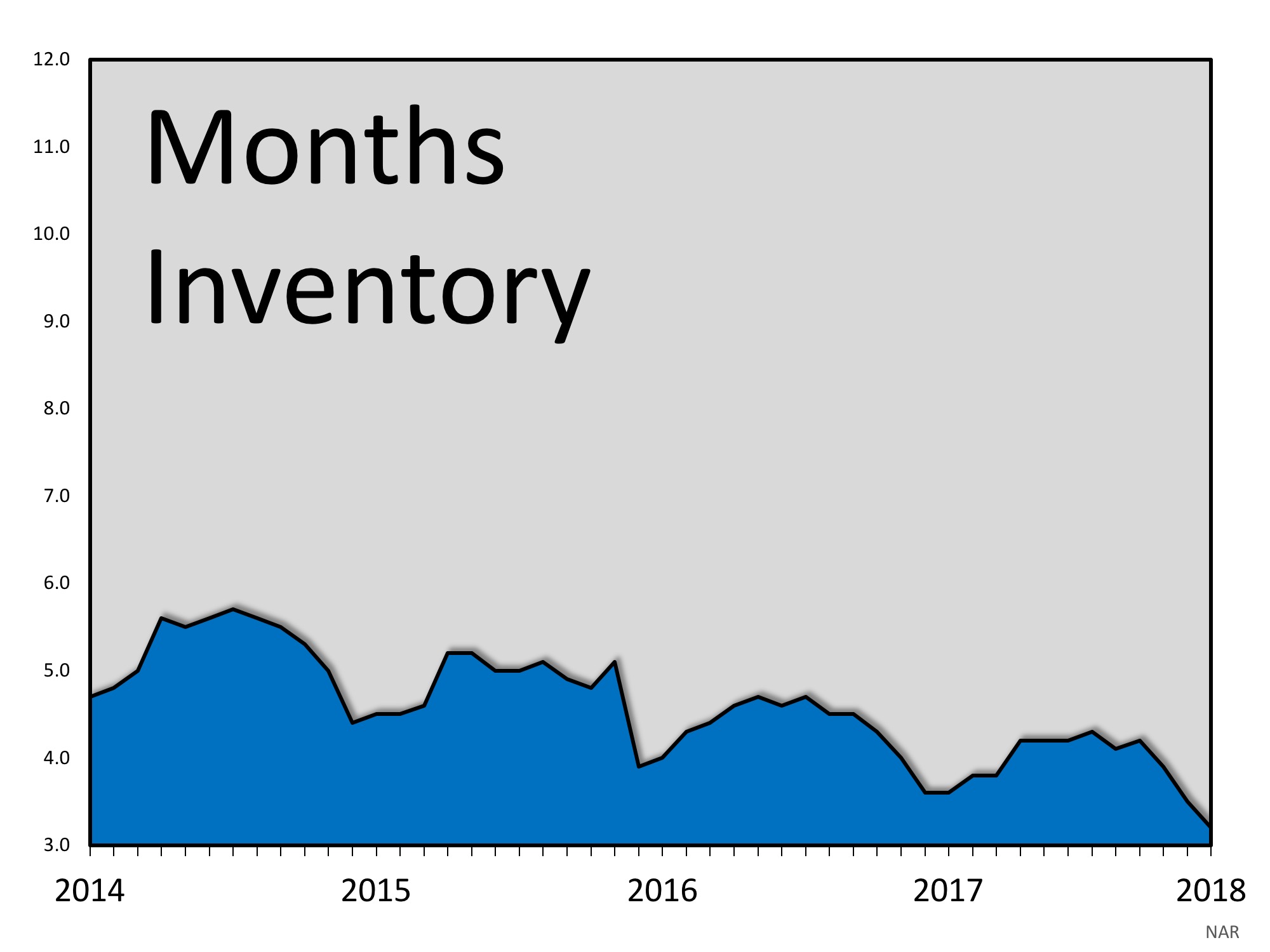
However, if we look at supply again, we can see that the current supply of homes is well below the norm of 6 months.
Housing Market: Another Gigantic Difference Between 2008 and 2018 | MyKCM

Bottom Line

We will not have a glut of inventory like we did back in 2008 and home values won’t come tumbling down. Instead, if demand weakens, we will return to a normal market (approximately a 6-month supply) with historic levels of appreciation (3.6% annually).

Friday, October 26, 2018

Myths can harm any industry - real estate is no exception. Don't believe everything you hear...


Top 3 Myths About Today’s Real Estate Market


Top 3 Myths About Today’s Real Estate Market | MyKCM
There are many conflicting headlines when it comes to describing today’s real estate market. Some are making comparisons to the market we experienced 10 years ago and are starting to believe that we may be doomed to repeat ourselves. Others are just plain wrong when it comes to what it takes to qualify for a mortgage.
Today, we want to try and clear the air by shedding some light on what’s causing some of these headlines, as well as what’s truly going on.

Myth #1: We Are Headed for Another Housing Bubble

Home prices have appreciated year-over-year for the last 76 straight months. Many areas of the country are at or near their peak prices achieved before the last housing bubble burst. This has many worried that we are headed towards another housing bubble.
Reality: The biggest challenge facing today’s real estate market is a lack of homes for sale! Demand is strong, as many renters have come off the fence and are searching for their dream homes.
Historically, a normal market requires a 6-month supply of inventory in order for prices to rise with the rate of inflation. According to the National Association of Realtors (NAR) there is currently a 4.3-month supply of inventory.
The US housing market hasn’t had 6-months inventory since August 2012! The concept of supply and demand is what is driving home prices up!

Myth #2: The Rumored Recession Will Lead to Another Housing Market Crash

Economists and analysts know that the country has experienced economic growth for almost a decade. When this happens, they also know that a recession can’t be too far off. But what is a recession?
Merriam-Webster defines a recession as “a period of temporary economic decline during which trade and industrial activity are reduced, generally identified by a fall in GDP in two consecutive quarters.”
Reality: Recession DOES NOT equal housing crisis. Many people associate these two terms with one another because the last time we had a recession it was caused by a housing crisis. According to the Federal Reserve, over the last 40 years, there have been six recessions. In each of the previous five recessions, home values appreciated.

Myth #3: There is an Affordability Crisis Looming

Rising home prices have many concerned that the average family will no longer be able to afford the most precious piece of the American Dream – their own home.
There are many different affordability indexes supported by different organizations that all measure different data. For this reason, there is a lot of confusion about what “affordable” actually means.
The monthly cost of a home is determined by the home’s price and the interest rate on the mortgage used to purchase it. According to Freddie Mac, interest rates have risen from 3.95% in January to 4.59% just last week.
Reality: As we mentioned earlier, home prices have appreciated year-over-year for the last 76 months, largely driven by high demand and low supply.
According to a recent study by Zillow, the percentage of median income necessary to buy a home in today’s market (17.1%) is well below the mark reached in 1985 – 2000 (21%), as well as the mark reached in 2006 (25.4)! Interest rates would have to increase to 6% before buying a home would be less affordable than historical norms.
The starter-home market has appreciated at higher levels (9.4% year-over-year) than any other market. One reason for this is the fact that many of the first-time buyers who have flocked to the starter-home market are being met with high competition. For some hopeful buyers, it may take more than a good offer to stand out from the crowd!
Bottom Line

There is a lot of confusion in today’s real estate market. If your future plans include buying or selling, make sure you have a trusted advisor and market expert by your side to help guide you to the best decision for you and your family.

Friday, October 19, 2018

Did you ever think that a lack of new construction homes could actually hurt the housing market?


Why are Existing Home Sales Down?


Why are Existing Home Sales Down? | MyKCM
The latest Existing Home Sales Report issued by the National Association of Realtors (NAR) revealed that home sales have decreased for four consecutive months and are at their slowest pace in over two years. This has some industry leaders puzzled considering the fact that the economy is strengthening, unemployment is down, and wages are beginning to rise. This begs the question: “Where are the buyers?”
Actually, agents in the field of most communities are still seeing strong desire from prospective purchasers. They have a list of potential buyers ready to go if the right houses come on the market and they claim it is not a shortage of demand, but is instead a shortage of inventory that is causing the market to soften.

Why is there a shortage of inventory?

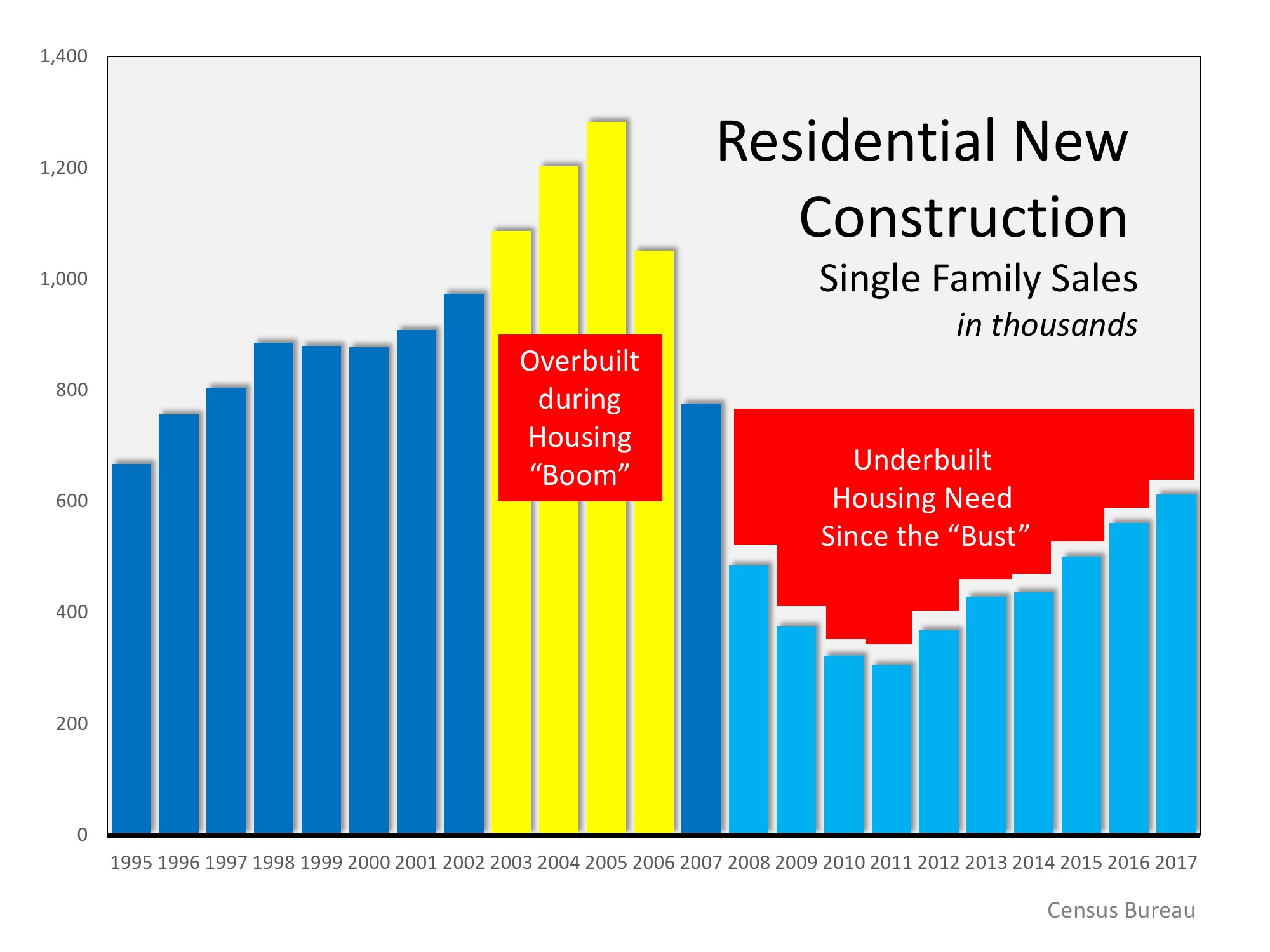
You only need to look at the graph below to understand:
Why are Existing Home Sales Down? | MyKCM

New construction sales over the last ten years are far below historic numbers from 1995-2002.
A recent industry report looked at building permits and concluded:
“If construction over the past decade matched historic norms, accounting for population change, the country would have had 2.3 million more single-family home permits.”
That decade of not building enough homes is the primary reason for the concerns about today’s market.

Wait, weren’t we talking about ‘existing’ home sales?

Some may argue that NAR’s sales report deals with existing home sales and not new construction, and they would be correct. However, reports have shown that one of the main reasons why existing homeowners are not selling is because they can’t find homes that meet the needs of their current lifestyles. Historically, the upgrades in a newly constructed home were the answers to those needs.
Over the last decade, however, there were fewer homes built to satisfy this move-up seller. Consequently, there are many homeowners who stayed in their homes for a longer tenure, instead of putting their homes up for sale.

Bottom Line

As more new homes are being built, there will be more housing inventory to satisfy current demand which will cause prices to moderate and sales volumes to increase.

Monday, October 15, 2018

Wow! It was a big hole to climb out of, but the housing market has made remarkable strides in over the past 5 years...

Home Prices: The Difference 5 Years Makes

Home Prices: The Difference 5 Years Makes | MyKCM
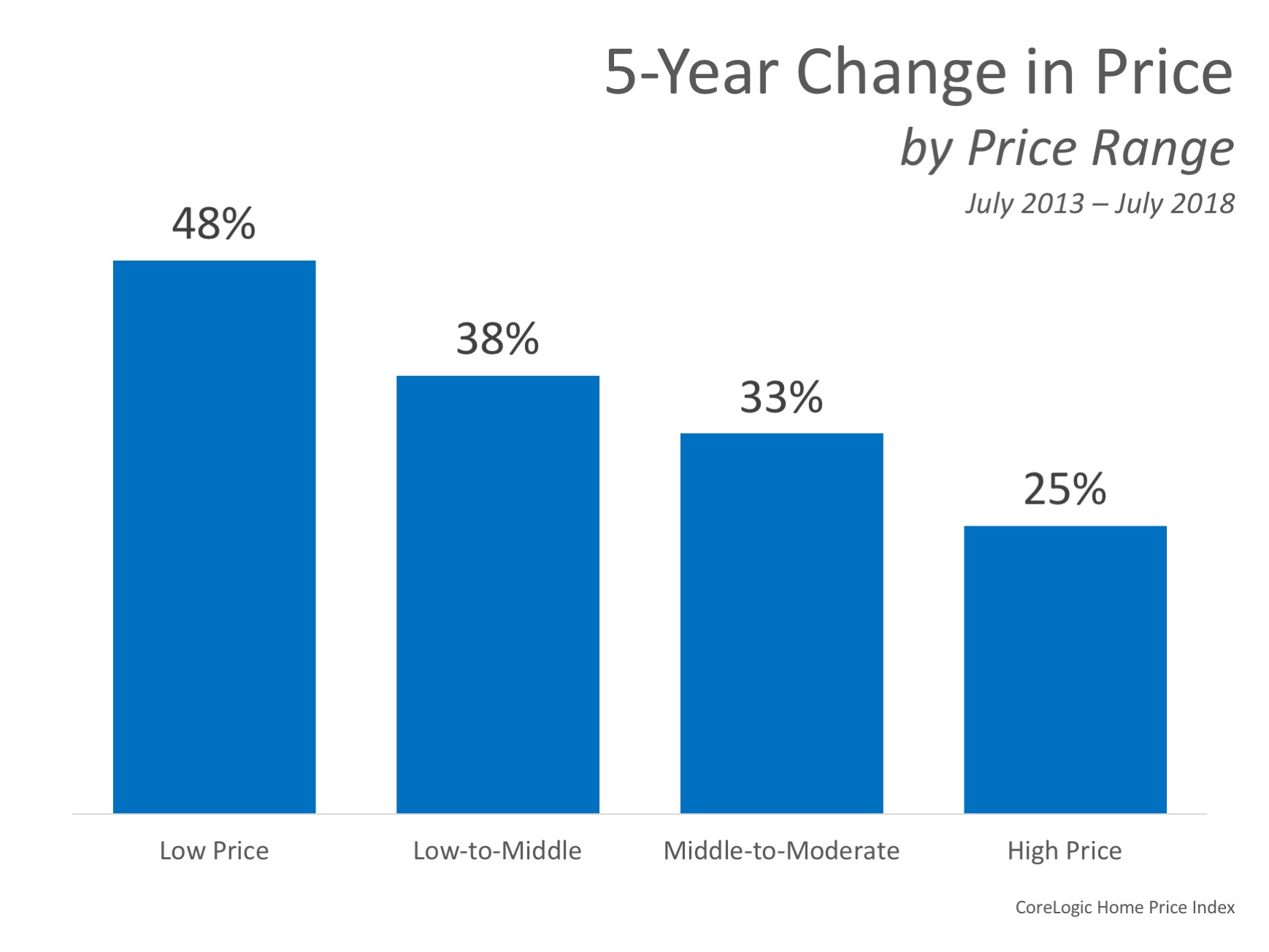
CoreLogic recently released their Home Price Index ReportOne of the key indicators used in the report to determine the health of the housing market was home price appreciation. CoreLogic focused on appreciation from July 2013 to July 2018 to show how prices over the last five years have fared.
The graph below was created to show the 5-year change in price from July 2013 to July 2018 by price range.
Home Prices: The Difference 5 Years Makes | MyKCM
As you can see in the graph, the highest price appreciation occurred in the lowest price range with 48% growth, while the highest priced homes appreciated by 25%. This has been greatly fueled by the lack of inventory of homes available at the lower price ranges and high demand from first-time buyers looking to enter the market.

Where were prices expected to go?

Every quarter, Pulsenomics surveys a nationwide panel of over 100 economists, real estate experts, and investment and market strategists and asks them to project how residential home prices will appreciate over the next five years for their Home Price Expectation Survey (HPES).
According to the Q3 2014 survey results, national homes prices were projected to increase cumulatively by 19.5% by December 2018. The bulls of the group predicted home prices to rise by 27.8%, while the more cautious bears predicted an appreciation of 11.2%.

Where are prices headed in the next 5 years?

Data from the most recent HPES shows that home prices are expected to increase by 20.0% over the next 5 years. The bulls of the group predict home prices to rise by 31.2%, while the more cautious bears predict an appreciation of 9.3%.

Bottom Line

Every day, thousands of homeowners regain positive equity in their homes. Some homeowners are now experiencing values even greater than those before the Great Recession. If you’re wondering if you have enough equity to sell your house and move on to your dream home, let’s get together to discuss conditions in our neighborhood!

Friday, October 12, 2018

Not sure if you should sell NOW? Here are some things to consider...

4 Reasons to Sell This Fall [INFOGRAPHIC]

4 Reasons to Sell This Fall [INFOGRAPHIC] | MyKCM

Some Highlights:

  • Housing inventory is still under the 6-month supply that is needed for a normal housing market.
  • Buyers are often competing with one another for the listings that are available.
  • Perhaps the time has come for you and your family to move on and start living the life you desire.

Thursday, September 13, 2018

Market indicators lead to a more balanced housing market in the near future.

Are Homebuyers Starting to Hit the ‘Pause’ Button?

Are Homebuyers Starting to Hit the ‘Pause’ Button? | MyKCM
For the last several years, buyer demand has far exceeded the housing supply available for sale. This low supply and high demand have led to home prices appreciating by an average of 6.2% annually since 2012.
With this being said, three of the four major reports used to measure buyer activity have revealed that purchasing demand may be softening. Here are the four indices, how they measure demand (methodology), what their latest reports said, and a quick synopsis of the report.

The Foot Traffic Report
by the National Association of Realtors

Methodology: Every month SentriLock, LLC provides NAR Research with data on the number of properties shown by a REALTOR®. Lockboxes made by SentriLock, LLC are used in roughly a third of home showings across the nation. Foot traffic has a strong correlation with future contracts and home sales, so it can be viewed as a peek ahead at sales trends two to three months into the future.
Latest Report: “Foot Traffic climbed 3.2 points to 55.8 mid-summer in July. Additionally, the diffusion index is higher than last year by 13.5 points. Despite a healthy economy and labor market, supply and new construction remains unable to keep up with buyer demand.”
Synopsis: Buyer demand remains strong.

The Showing Index
by ShowingTime

Methodology: The ShowingTime Showing Index® tracks the average number of buyer showings on active residential properties on a monthly basis, a highly reliable leading indicator of current and future demand trends.
Latest Report: “Showing activity throughout the country increased by 0.3 percent year over year in July, the third consecutive month that the U.S. ShowingTime Showing Index recorded buyer interest deceleration compared to the previous year. The June 2018 figures revealed a 0.0 percent change in showing traffic from 2017, while May showed a 1.2 percent year-over-year increase. The 12-month average year-over-year increase was 4.6 percent.”
Synopsis: Buyer demand is softening

Realtors Confidence Index
by the National Association of Realtors

Methodology: The REALTORS Confidence Index is a key indicator of housing market strength based on a monthly survey sent to over 50,000 real estate practitioners. Practitioners are asked about their expectations for home sales, prices and market conditions.
Latest Report: “REALTORS reported slower homebuying activity in July 2018…The REALTORS® Buyer Traffic Index registered at 62, down from the same month one year ago (69). This is the fifth straight month (since March 2018) that Realtors reported a decline in buyer activity compared to conditions one year ago.”
Synopsis: Buyer demand is softening

The Real Estate Broker Survey
in the ‘Z’ Report by Zelman and Associates (subscription needed)

Methodology: Proprietary survey results of real estate executives.
Latest Report: “While we continue to expect a resumption of growth in resale transactions on the back of easing inventory in 2019 and 2020, our real-time view into the market through our Real Estate Broker Survey does suggest that buyers have grown more discerning of late and a level of “pause” has taken hold in many large housing markets. Indicative of this, our broker contacts rated buyer demand at 69 on a 0-100 scale, still above average but down from 74 last year and representing the largest year-over-year decline in the two-year history of our survey.”
Synopsis: Buyer demand is softening

Bottom Line

Again, three of the four most reliable measures of buyer activity are reporting that demand is softening. We had a strong buyers’ market directly after the housing crash which was immediately followed by a strong sellers’ market over the last six years.
If demand continues to soften and supply begins to grow (as is projected to happen), we will return to a more neutral market which will favor neither buyers nor sellers. This “more normal” market will be better for real estate in the long term.

Monday, August 13, 2018

Who is going to process all of this paperwork? And 4 other reasons to use a Realtor...

5 Reasons to Hire a Real Estate Professional Before Entering the Market!

5 Reasons to Hire a Real Estate Professional Before Entering the Market! | MyKCM
Whether you are buying or selling a home, it can be quite the adventure. In this world of instant gratification and internet searches, many sellers think that they can ‘For Sale by Owner’ or ‘FSBO,’ but it’s not as easy as it may seem. That’s why you need an experienced real estate professional to guide you on the path to achieving your ultimate goal!
The 5 reasons you need a real estate professional in your corner haven’t changed but have rather been strengthened by the projections of higher mortgage interest rates and home prices as the market continues to pick up steam.

1. What do you do with all this paperwork?

Each state has different regulations regarding the contracts required for a successful sale, and these regulations are constantly changing. A true real estate professional is an expert in his or her market and can guide you through the stacks of paperwork necessary to make your dream a reality.

2. So you found your dream house, now what?

There are over 230 possible steps that need to take place during every successful real estate transaction. Don’t you want someone who has been there before, someone who knows what these actions are, to ensure you achieve your dream?

3. Are you a good negotiator?

So maybe you’re not convinced that you need an agent to sell your home. After looking at the list of parties that you will need to be prepared to negotiate with, you’ll soon realize the value in selecting a real estate professional. From the buyers (who want the best deals possible), to the home inspection companies, all the way to the appraisers, there are at least 11 different people who you will need to be knowledgeable of, and answer to, during the process.

4. What is the home you’re buying/selling really worth?

It is important for your home to be priced correctly from the start in order to attract the right buyers and shorten the amount of time that it’s on the market. You need someone who is not emotionally connected to your home to give you its true value. According to a recent article by the National Association of Realtors, FSBOs achieve prices significantly lower than the prices of similar properties sold by real estate agents:
FSBOs earn an average of $60,000 to $90,000 less on the sale of their home than sellers who work with a real estate agent.”
Get the most out of your transaction by hiring a professional!

5. Do you know what’s really going on in the market?

There is so much information out there on the news and on the internet about home sales, prices, and mortgage rates; how do you know what’s going on specifically in your area? Who do you turn to in order to competitively and correctly price your home at the beginning of the selling process? How do you know what to offer on your dream home without paying too much, or offending the seller with a lowball offer?
Dave Ramsey, the financial guru, advises:
“When getting help with money, whether it’s insurance, real estate or investments, you should always look for someone with the heart of a teacher, not the heart of a salesman.”
Hiring an agent who has his or her finger on the pulse of the market will make your buying or selling experience an educated one. You need someone who is going to tell you the truth, not just what they think you want to hear.

Bottom Line

You wouldn’t replace the engine in your car without a trusted mechanic, so why would you make one of the most important financial decisions of your life without hiring a real estate professional?
http://bit.ly/2P4fPVd

Monday, June 11, 2018

Can home staging help your house sell? The National Association of Realtors finds that it just may...

The Impact Staging Your Home Has on Sales Price [INFOGRAPHIC]

The Impact Staging Your Home Has on Sales Price [INFOGRAPHIC] | MyKCM

Some Highlights:

  • The National Association of Realtors surveyed their members & released the findings of their Annual Profile of Home Staging.
  • 50% of staged homes saw a 1-10% increase in dollar value offers from buyers.
  • 77% of buyer’s agents said staging made it easier for buyers to visualize the home as their own.
  • The top rooms to stage in order to attract more buyers are the living room, master bedroom, kitchen, and dining room.

Friday, February 9, 2018

Think you only have to sell your home to A buyer? Guess again....


Homeowners: Your House Must Be Sold TWICE


Homeowners: Your House Must Be Sold TWICE | MyKCM
In today’s housing market, where supply is very low and demand is very high, home values are increasing rapidly. Many experts are projecting that home values could appreciate by another 5%+ over the next twelve months. One major challenge in such a market is the bank appraisal.
If prices are surging, it is difficult for appraisers to find adequate, comparable sales (similar houses in the neighborhood that recently closed) to defend the selling price when performing the appraisal for the bank.
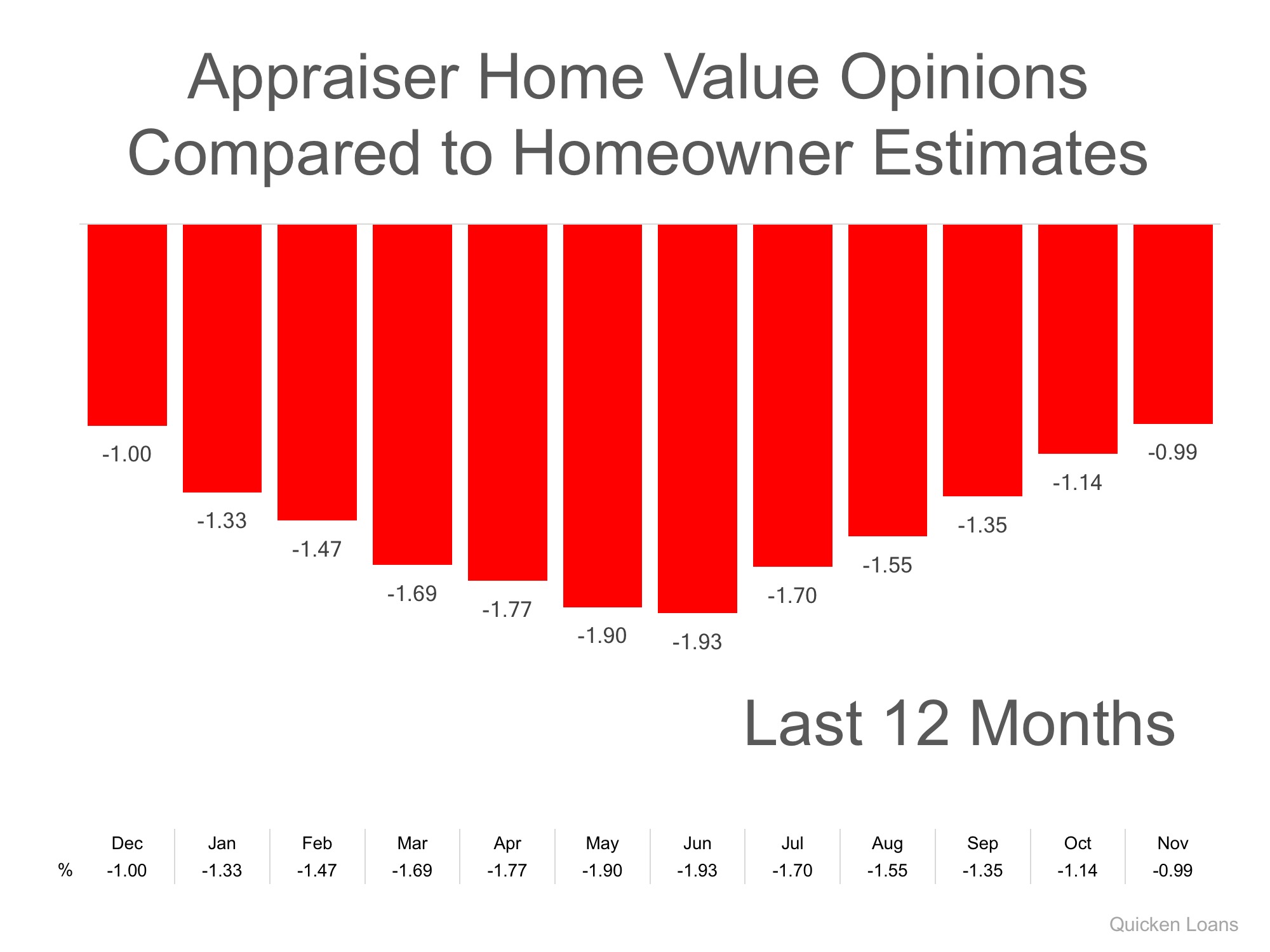
Every month in their Home Price Perception Index (HPPI), Quicken Loans measures the disparity between what a homeowner who is seeking to refinance their home believes their house is worth, and an appraiser’s evaluation of that same home.
Bill Banfield, Executive VP of Capital Markets at Quicken Loans urges anyone looking to buy or sell in today’s market to remember the impact of this challenge:
“Based on the HPPI, it appears homeowners in the markets where prices are rising faster than the national average – like Denver, Seattle and San Francisco – are continuing to underestimate just how quickly home values are rising, so the average appraisal is higher than homeowner estimate.
On the inverse of that, homeowners in areas where the values aren’t rising as fast may think they are rising faster than they are, leading to the appraisal lagging the estimate.”
The chart below illustrates the changes in home price estimates over the last 12 months.
Homeowners: Your House Must Be Sold TWICE | MyKCM

Bottom Line

Every house on the market must be sold twice; once to a prospective buyer and then to the bank (through the bank’s appraisal). With escalating prices, the second sale might be even more difficult than the first. If you are planning on entering the housing market this year, let’s get together to discuss this and any other obstacles that may arise.

Monday, January 29, 2018

Housing inventory is low, which could mean rising prices in the spring market.


The Real Reason Home Prices are Increasing


The Real Reason Home Prices are Increasing | MyKCM
There are many unsubstantiated theories as to why home values are continuing to increase. From those who are worried that lending standards are again becoming too lenient (data shows this is untrue), to those who are concerned that prices are again approaching boom peaks because of “irrational exuberance” (this is also untrue as prices are not at peak levels when they are adjusted for inflation), there seems to be no shortage of opinion.
However, the increase in prices is easily explained by the theory of supply & demand. Whenever there is a limited supply of an item that is in high demand, prices increase.
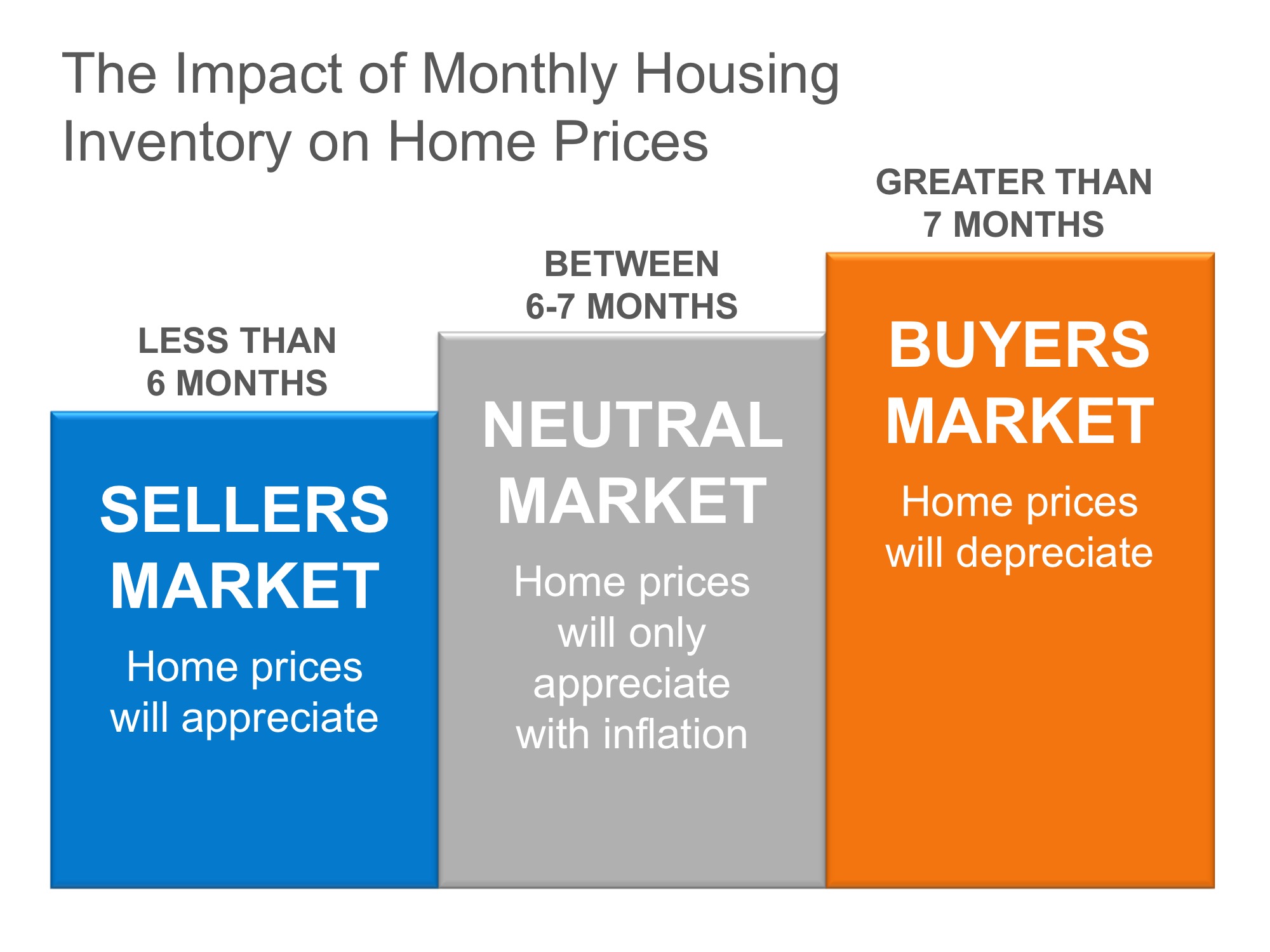
It is that simple. In real estate, it takes a six-month supply of existing salable inventory to maintain pricing stability. In most housing markets, anything less than six months will cause home values to appreciate and anything more than seven months will cause prices to depreciate (see chart 1).
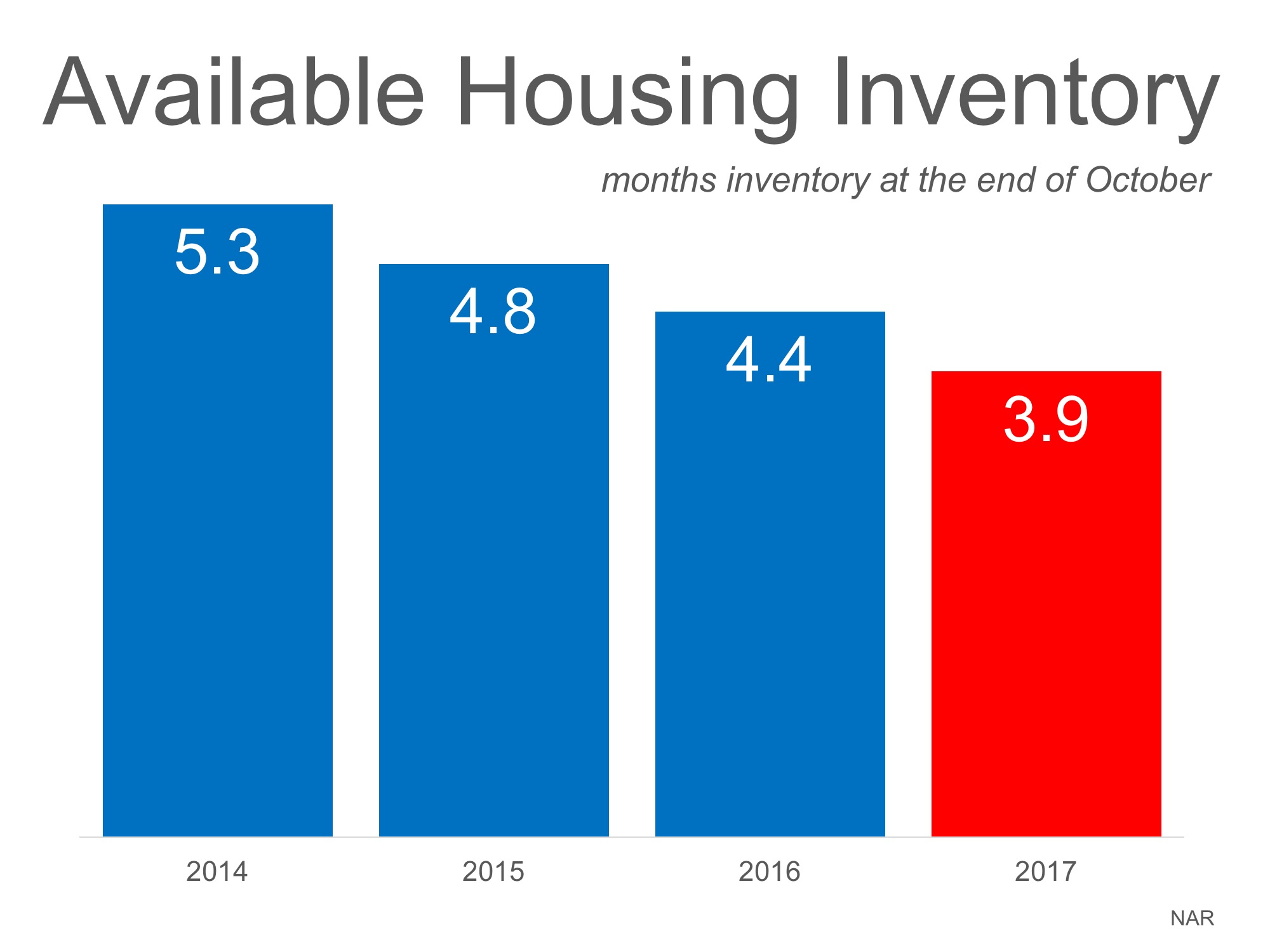
According to the Existing Home Sales Report from the National Association of Realtors (NAR), the monthly inventory of homes has been below six months for the last four years (see chart 2).
The Real Reason Home Prices are Increasing | MyKCM

Bottom Line

If buyer demand outpaces the current supply of existing homes for sale, prices will continue to appreciate. Nothing nefarious is taking place. It is simply the theory of supply & demand working as it should.

Wednesday, January 24, 2018

It's hard to sell your home, if you don't make it easily accessible to buyers. Don't make that mistake!


Access is an Important Factor in Getting Your House SOLD!


Access is an Important Factor in Getting Your House SOLD! | MyKCM
So, you’ve decided to sell your house. You’ve hired a real estate professional to help you with the entire process, and they have asked you what level of access you want to provide to potential buyers.
There are four elements to a quality listing. At the top of the list is Access, followed by Condition, Financing, and Price. There are many levels of access that you can provide to your agent so that he or she can show your home.

Here are five levels of access that you can give to buyers, along with a brief description:

  1. Lockbox on the Door – this allows buyers the ability to see the home as soon as they are aware of the listing, or at their convenience.
  2. Providing a Key to the Home – although the buyer’s agent may need to stop by an office to pick up the key, there is little delay in being able to show the home.
  3. Open Access with a Phone Call – the seller allows showings with just a phone call’s notice.
  4. By Appointment Only (example: 48-Hour Notice) – Many buyers who are relocating for a new career or promotion start working in that area prior to purchasing their home. They often like to take advantage of free time during business hours (such as their lunch break) to view potential homes. Because of this, they may not be able to plan their availability far in advance or may be unable to wait 48 hours to see the house.
  5. Limited Access (example: the home is only available on Mondays or Tuesdays at 2pm or for only a couple of hours a day) – This is the most difficult way to be able to show your house to potential buyers.
In a competitive marketplace, access can make or break your ability to get the price you are looking for, or even sell your house at all.

Wednesday, January 10, 2018

Need a reason to use a Realtor to buy or sell your home? Here are 5...


Buying or Selling in 2018? 5 Reasons to Resolve to Hire a Pro [INFOGRAPHIC]


Buying or Selling in 2018? 5 Reasons to Resolve to Hire a Pro [INFOGRAPHIC] | MyKCM

Some Highlights:

  • As we usher in the new year, one thing is for certain… if you plan to buy or sell a house this year, you need a real estate professional on your team!
  • There are many benefits to using a local professional!
  • Pick a professional who knows your local market and can help you achieve your dreams!

Monday, January 8, 2018

It is easier to get a mortgage now, than it was a year ago. But that doesn't mean that we are headed for trouble...

Bubble Alert! Is it Getting Too Easy to Get a Mortgage?

Bubble Alert! Is it Getting Too Easy to Get a Mortgage? | MyKCM
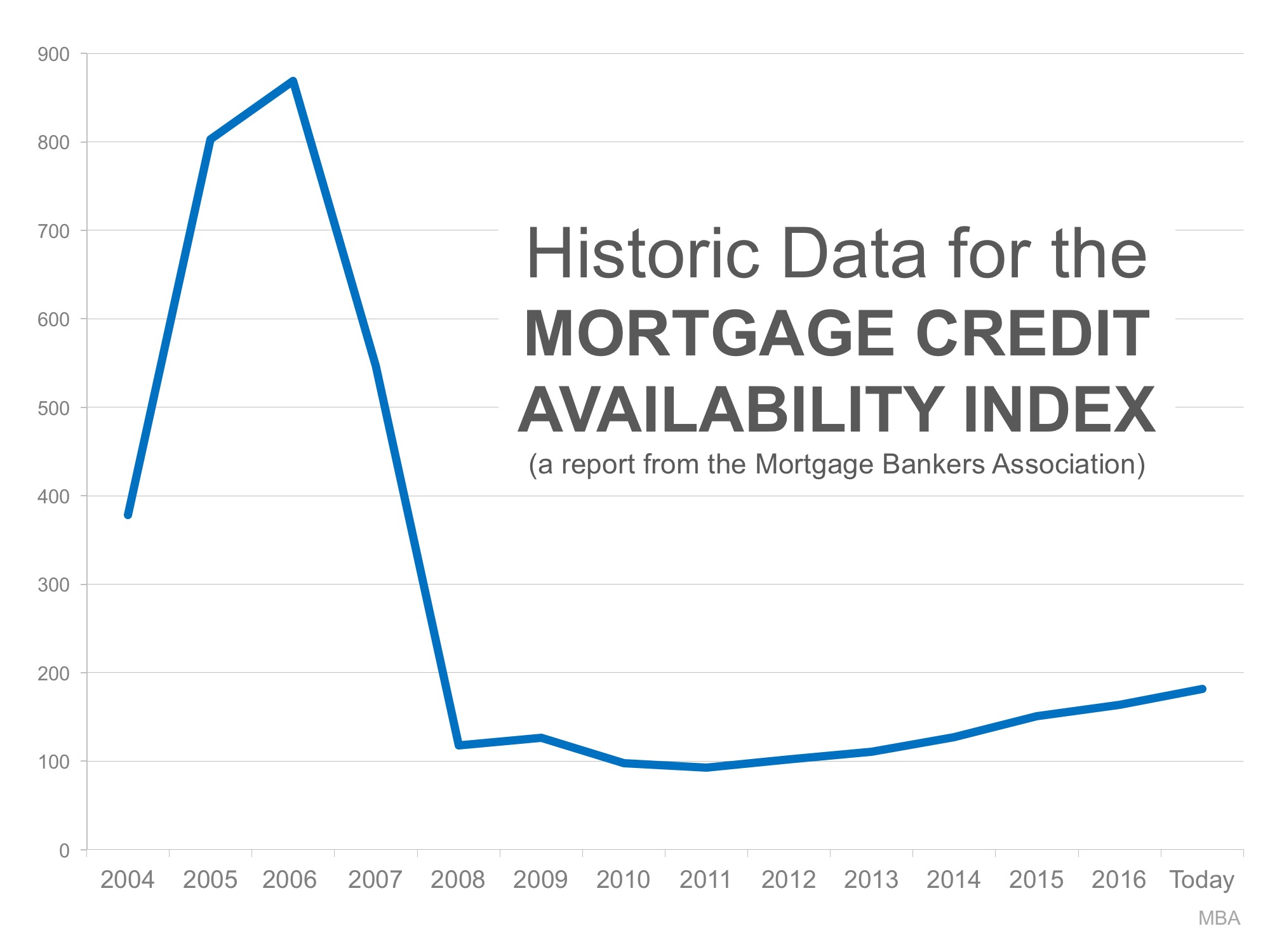
There is little doubt that it is easier to get a home mortgage today than it was last year. The Mortgage Credit Availability Index (MCAI), published by the Mortgage Bankers Association, shows that mortgage credit has become more available in each of the last several years. In fact, in just the last year:
  • More buyers are putting less than 20% down to purchase a home
  • The average credit score on closed mortgages is lower
  • More low-down-payment programs have been introduced
This has some people worrying that we are returning to the lax lending standards which led to the boom and bust that real estate experienced ten years ago. Let’s alleviate some of that concern.
The graph below shows the MCAI going back to the boom years of 2004-2005. The higher the graph line, the easier it was to get a mortgage.
As you can see, lending standards were much more lenient from 2004 to 2007. Though it has gradually become easier to get a mortgage since 2011, we are nowhere near the lenient standards during the boom.
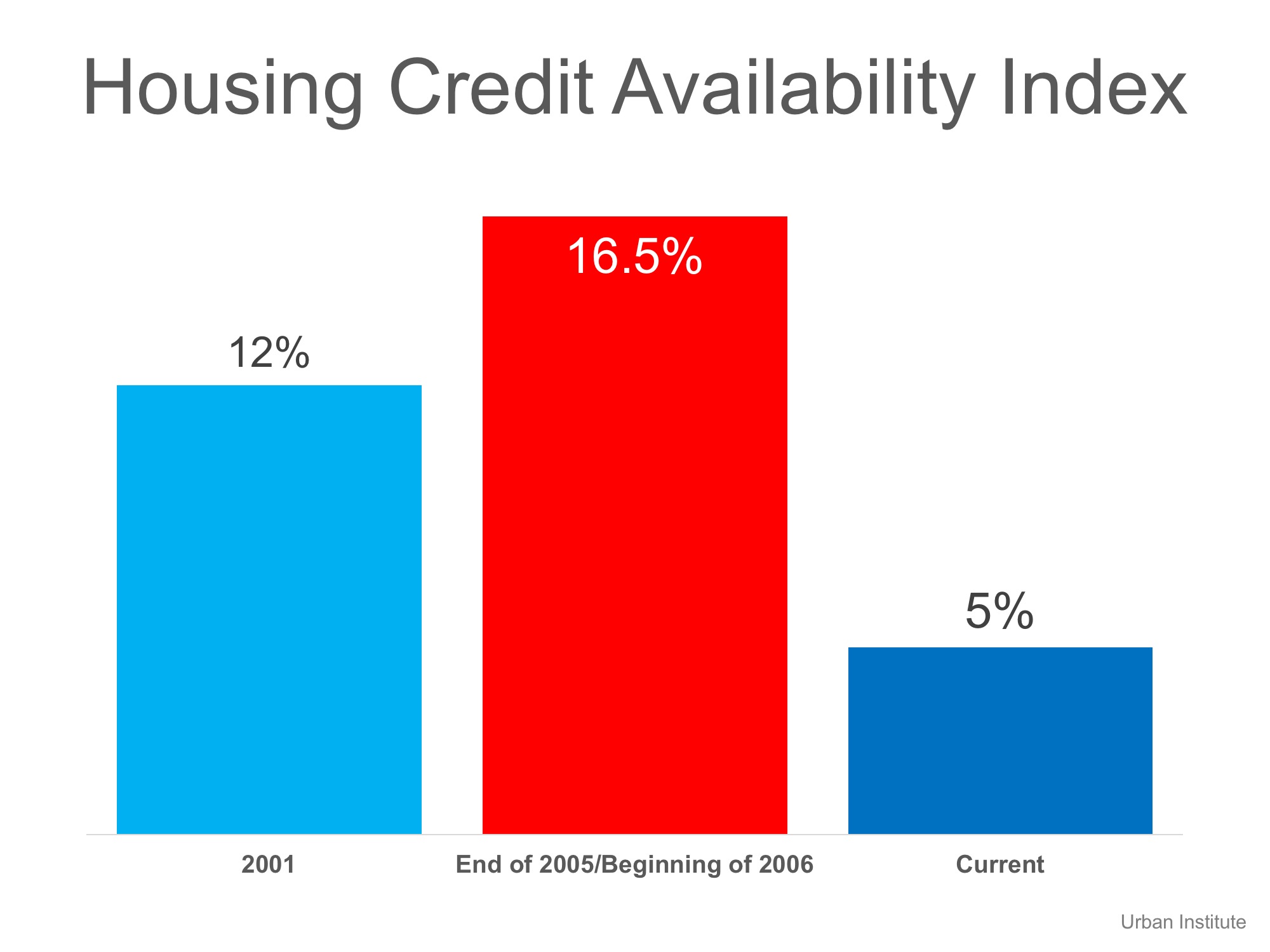
The Urban Institute also publishes a Home Credit Availability Index (HCAI). According to the Institute, the HCAI:
“Measures the percentage of home purchase loans that are likely to default—that is, go unpaid for more than 90 days past their due date. A lower HCAI indicates that lenders are unwilling to tolerate defaults and are imposing tighter lending standards, making it harder to get a loan. A higher HCAI indicates … it is easier to get a loan.”
Here is a graph showing their findings:
Bubble Alert! Is it Getting Too Easy to Get a Mortgage? | MyKCM
Again, today’s lending standards are nowhere near the levels of the boom years. As a matter of fact, they are more stringent than they were even before the boom.

Bottom Line

It is getting easier to gain financing for a home purchase. However, we are not seeing the irresponsible lending that caused the housing crisis.

Wednesday, December 13, 2017

Selling your home during the holidays may not be such a bad idea after all...

7 Reasons to List Your Home This Holiday Season

7 Reasons to List Your Home This Holiday Season | MyKCM
Every year at this time, many homeowners decide to wait until after the holidays to put their homes on the market for the first time, while others who already have their homes on the market decide to take them off until after the holidays.

Here are seven great reasons not to wait:

  1. Relocation buyers are out there. Many companies are still hiring throughout the holidays and need their employees in their new positions as soon as possible.
  2. Purchasers who are looking for homes during the holidays are serious buyers and are ready to buy now.
  3. You can restrict the showings on your home to the times you want it shown. You will remain in control.
  4. Homes show better when decorated for the holidays.
  5. There is less competition for you as a seller right now. Let’s take a look at listing inventory as compared to the same time last year:
7 Reasons to List Your Home This Holiday Season | MyKCM
  1. The desire to own a home doesn’t stop when the holidays come. Buyers who were unable to find their dream home during the busy spring and summer months are still searching!
  2. The supply of listings increases substantially after the holidays. Also, in many parts of the country, new construction will continue to surge reaching new heights in 2018, which will lessen the demand for your house.

Thursday, December 7, 2017

Whether you are buying or selling a home, it is to your advantage to use a Realtor!


5 Reasons to Hire a Real Estate Professional When Buying or Selling!


5 Reasons to Hire a Real Estate Professional When Buying or Selling! | MyKCM
Whether you are buying or selling a home, it can be quite an adventurous journey. This is why you need an experienced real estate professional to guide you on the path to your ultimate goal. In this world of instant gratification and internet searches, many sellers think that they can For Sale by Owner or FSBO.
The 5 reasons you NEED a real estate professional in your corner haven’t changed, but have rather been strengthened by the projections of higher mortgage interest rates & home prices as the market continues to pick up steam.

1. What do you do with all this paperwork?

Each state has different regulations regarding the contracts required for a successful sale, and these regulations are constantly changing. A true real estate professional is an expert in his or her market and can guide you through the stacks of paperwork necessary to make your dream a reality.

2. Ok, so you found your dream house, now what?

There are over 180 possible steps that need to take place during every successful real estate transaction. Don’t you want someone who has been there before, someone who knows what these actions are, to make sure that you achieve your dream?

3. Are you a good negotiator?

So maybe you’re not convinced that you need an agent to sell your home. After looking at the list of parties that you will need to be prepared to negotiate with, you’ll soon realize the value in selecting a real estate professional. From the buyer (who wants the best deal possible), to the home inspection companies, to the appraiser, there are at least 11 different people who you will need to be knowledgeable of, and answer to, during the process.

4. What is the home you’re buying/selling really worth?

It is important for your home to be priced correctly from the start to attract the right buyers and shorten the amount of time that it’s on the market. You need someone who is not emotionally connected to your home to give you the truth as to your home’s value. According to a study by Collateral Analytics, FSBOs achieve prices significantly lower than those from similar properties sold by real estate agents:
“FSBOs tend to sell for lower prices than comparable home sales, and in many cases below the average differential represented by the prevailing commission rate.”
Get the most out of your transaction by hiring a professional.

5. Do you know what’s really going on in the market?

There is so much information out there on the news and on the internet about home sales, prices, and mortgage rates; how do you know what’s going on specifically in your area? Who do you turn to in order to competitively and correctly price your home at the beginning of the selling process? How do you know what to offer on your dream home without paying too much, or offending the seller with a lowball offer?
Dave Ramsey, the financial guru, advises:
“When getting help with money, whether it’s insurance, real estate or investments, you should always look for someone with the heart of a teacher, not the heart of a salesman.”
Hiring an agent who has his or her finger on the pulse of the market will make your buying or selling experience an educated one. You need someone who is going to tell you the truth, not just what they think you want to hear.

Bottom Line

You wouldn’t replace the engine in your car without a trusted mechanic. Why would you make one of the most important financial decisions of your life without hiring a real estate professional?