Showing posts with label housing crisis. Show all posts

Monday, November 5, 2018

Ten years ago, the housing market began it's downward spiral. The question has been raised if we couldn't be looking at a re-occurence, however there are some big differences between 2008 and 2018...

Housing Market: Another Gigantic Difference Between 2008 and 2018

Housing Market: Another Gigantic Difference Between 2008 and 2018 | MyKCM
Some are attempting to compare the current housing market to the market leading up to the “boom and bust” that we experienced a decade ago. They look at price appreciation and conclude that we are on a similar trajectory, speeding toward another housing crisis.
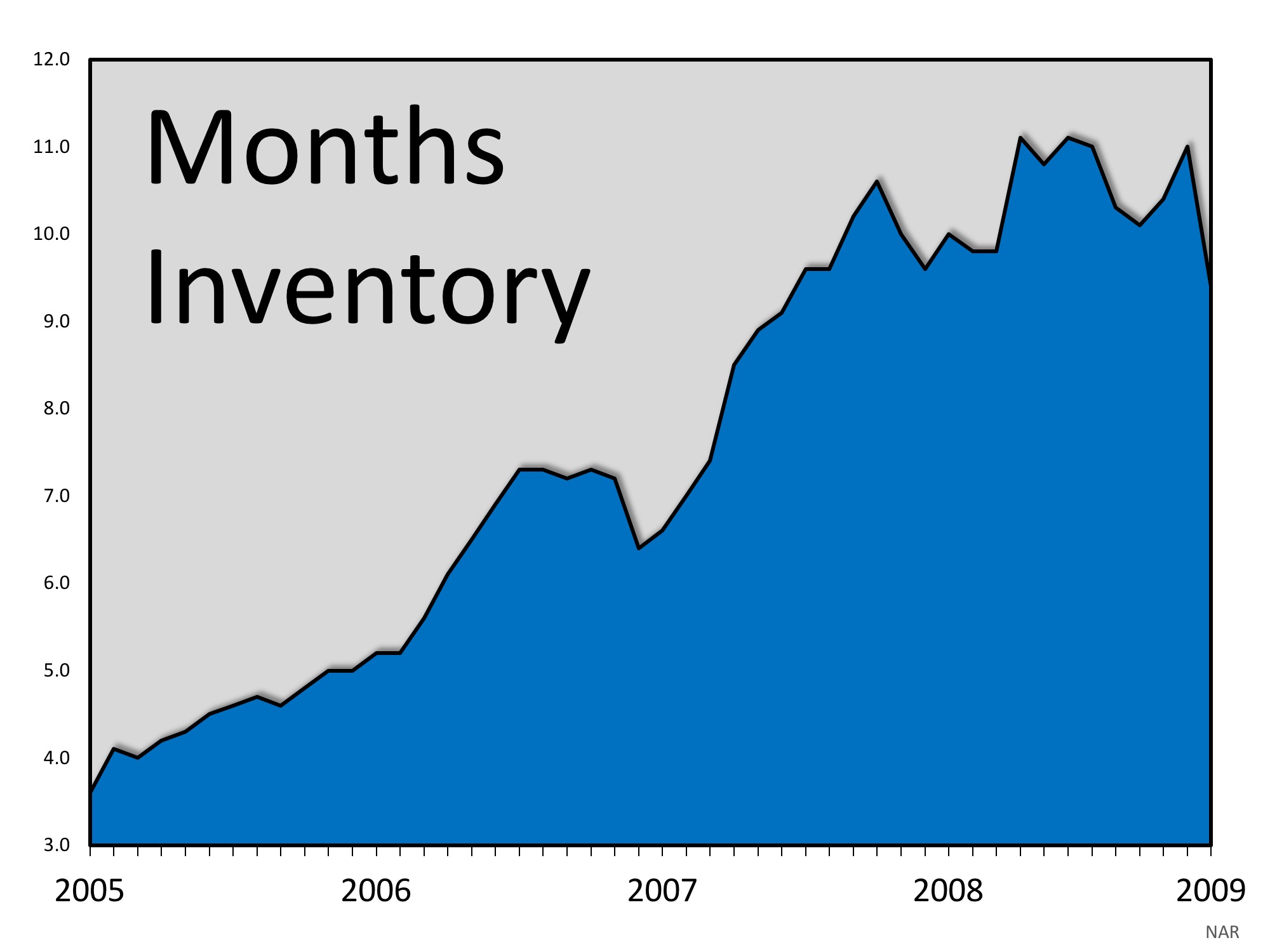
However, there is a major difference between the two markets. Last decade, while demand was being artificially created by extremely loose lending standards, a tremendous amount of inventory was coming to the market to satisfy that demand. Below is a graph of the inventory of homes available for sale leading up to the 2008 crash.
Housing Market: Another Gigantic Difference Between 2008 and 2018 | MyKCM
A normal market should have approximately 6 months supply of housing inventory. As we can see, that number jumped to over 11 months supply leading up to the housing crisis. When questionable mortgage practices ceased, and demand dried up, there was a glut of inventory on the market which caused prices to drop as there was too much supply and not enough demand.

Today is radically different!

There are those who believe that low mortgage rates have created an artificial demand in the current market. They fear that if mortgage rates continue to rise, some of the current demand will dry up (which is a possibility).
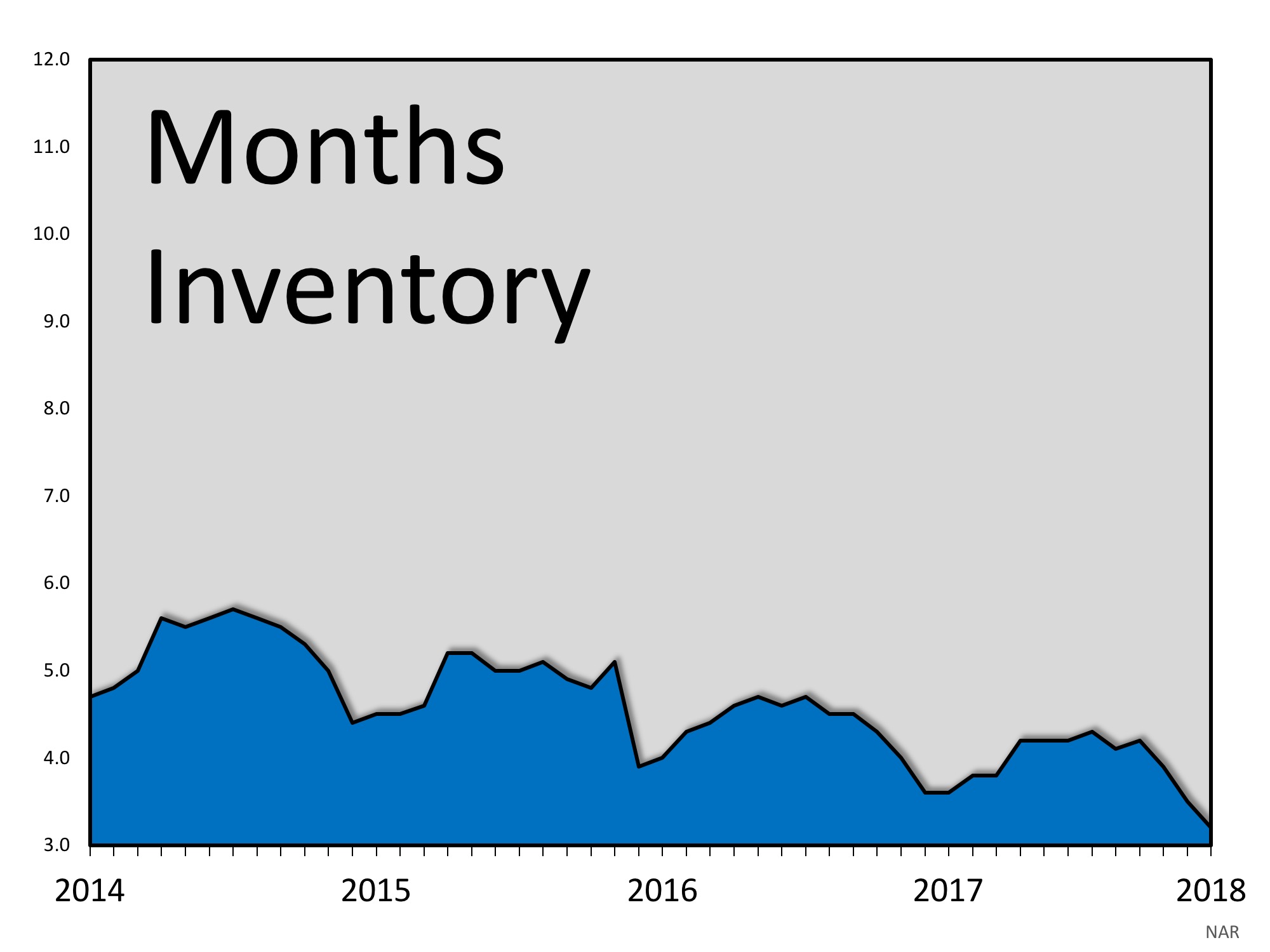
However, if we look at supply again, we can see that the current supply of homes is well below the norm of 6 months.
Housing Market: Another Gigantic Difference Between 2008 and 2018 | MyKCM

Bottom Line

We will not have a glut of inventory like we did back in 2008 and home values won’t come tumbling down. Instead, if demand weakens, we will return to a normal market (approximately a 6-month supply) with historic levels of appreciation (3.6% annually).

Monday, September 18, 2017

Homeowners who lost their homes during the housing crisis could potentially be re-entering the housing market over the next few years.

More Boomerang Buyers Are about to Enter the Market

More Boomerang Buyers Are about to Enter the Market | MyKCM
We previously informed you about a study conducted by TransUnion titled, “The Bubble, the Burst and Now – What Happened to the Consumer?” The study revealed that 1.5 million homeowners who were negatively impacted by the housing crisis could re-enter the housing market between 2016-2019.
Recently, HousingWire analyzed data from the US Bankruptcy Courts and revealed that 6 million Americans will have their bankruptcies disappear off their credit reports over the next five years and that this could “possibly send a flood of more homebuyers into the housing market.
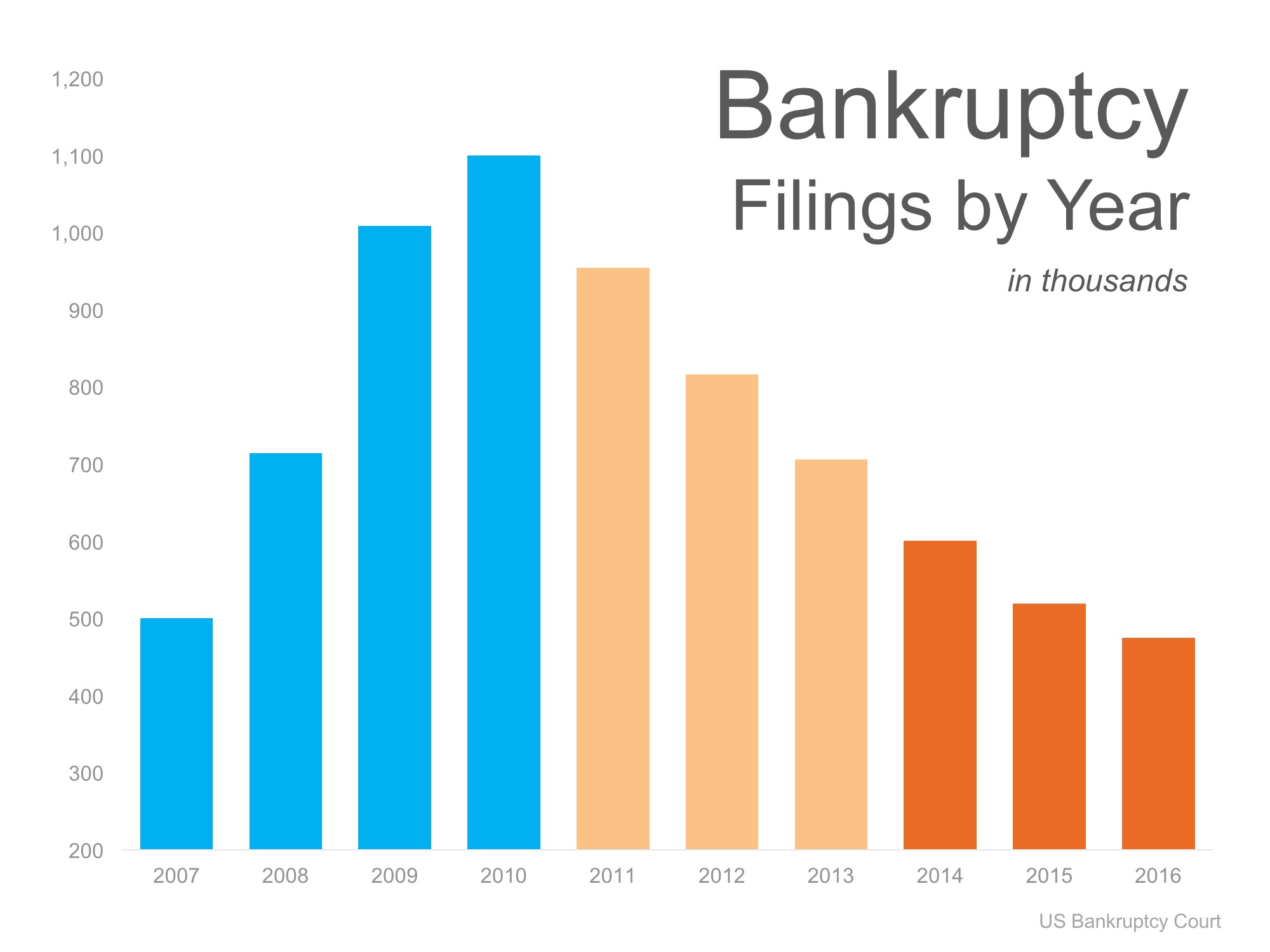
The chart below shows the total number of bankruptcies filed by year in the US over the last 10 years. The light blue bars represent over 3.3 million people who have already waited the 7 years necessary for their reports to no longer include their bankruptcies.
More Boomerang Buyers Are about to Enter the Market | MyKCM

How would this “send a flood of more homebuyers into the housing market”?

As the article mentioned, in 2010 the number of chapter 7 bankruptcies increased to nearly 1.14 million. Now, 7 years later, they will begin to fade from credit histories, enabling prospective buyers to become homeowners again once their credit scores improve.
As we can see from both reports, the homeownership rate has the opportunity to increase drastically over the next few years with all of these boomerang buyers returning to the market.

Bottom Line

If your family was negatively impacted by the housing bust, here is the light at the end of the tunnel! You may be able to purchase your dream home faster than you think!

Thursday, April 20, 2017

Housing affordability is not simply the price of a house. Income and interest rates are part of the equation. Right now, that equation is very favorable for buying a home.

The 'REAL' News about Housing Affordability

The 'REAL' News about Housing Affordability | MyKCM
Some industry experts are claiming that the housing market may be headed for a slowdown as we proceed through 2017, based on rising home prices and a potential jump in mortgage interest rates. One of the data points they use is the Housing Affordability Index, as reported by the National Association of Realtors (NAR).
Here is how NAR defines the index:
“The Housing Affordability Index measures whether or not a typical family earns enough income to qualify for a mortgage loan on a typical home at the national level based on the most recent price and income data.”
Basically, a value of 100 means a family earning the median income earns enough to qualify for a mortgage on a median-priced home, based on the price and mortgage interest rates at the time. Anything above 100 means the family has more than enough to qualify.
The higher the index, the easier it is to afford a home.

Why the concern?

The index has been declining over the last several years as home values increased. Some are concerned that too many buyers could be priced out of the market.
But, wait a minute…
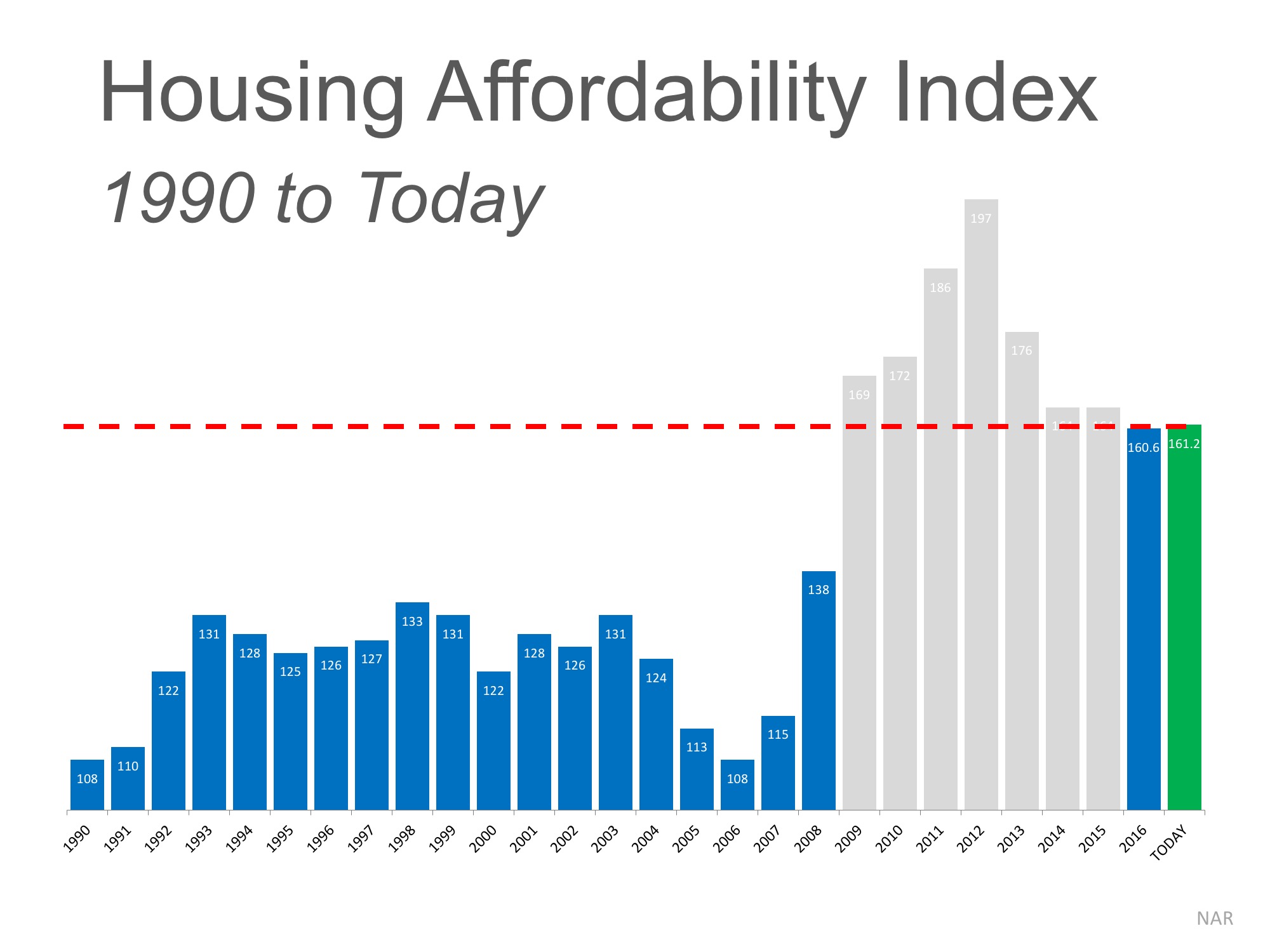
Though the index skyrocketed from 2009 through 2013, we must realize that during that time, the housing crisis left the market with an overabundance of distressed properties (foreclosures and short sales). All prices dropped dramatically and distressed properties sold at major discounts. Then, mortgage rates fell like a rock.
The market is recovering, and values are coming back nicely. That has caused the index to fall.
However, let’s remove the crisis years (shaded in gray) and look at the current index as compared to the index from 1990 – 2008:
The 'REAL' News about Housing Affordability | MyKCM
Though prices and rates appear to be increasing, we must realize that affordability is composed of three ingredients: home prices, interest rates, and income. And, incomes are finally rising.
ATTOM Data Solutions recently released their Q1 2017 U.S. Home Affordability Index. The report explained:
“Stronger wage growth is the silver lining in this report, outpacing home price growth in more than half of the markets for the first time since Q1 2012, when median home prices were still falling nationwide. If that pattern continues, it will help turn the tide in the eroding home affordability trend.”

Wednesday, April 5, 2017

Analysts reveal that foreclosures peaked in 2010, and have been on a consistent decline since then.

The Foreclosure Crisis: 10 Years Later

The Foreclosure Crisis: 10 Years Later | MyKCM
CoreLogic recently released a report entitled, United States Residential Foreclosure Crisis: 10 Years Later, in which they examined the years leading up to the crisis all the way through to present day.
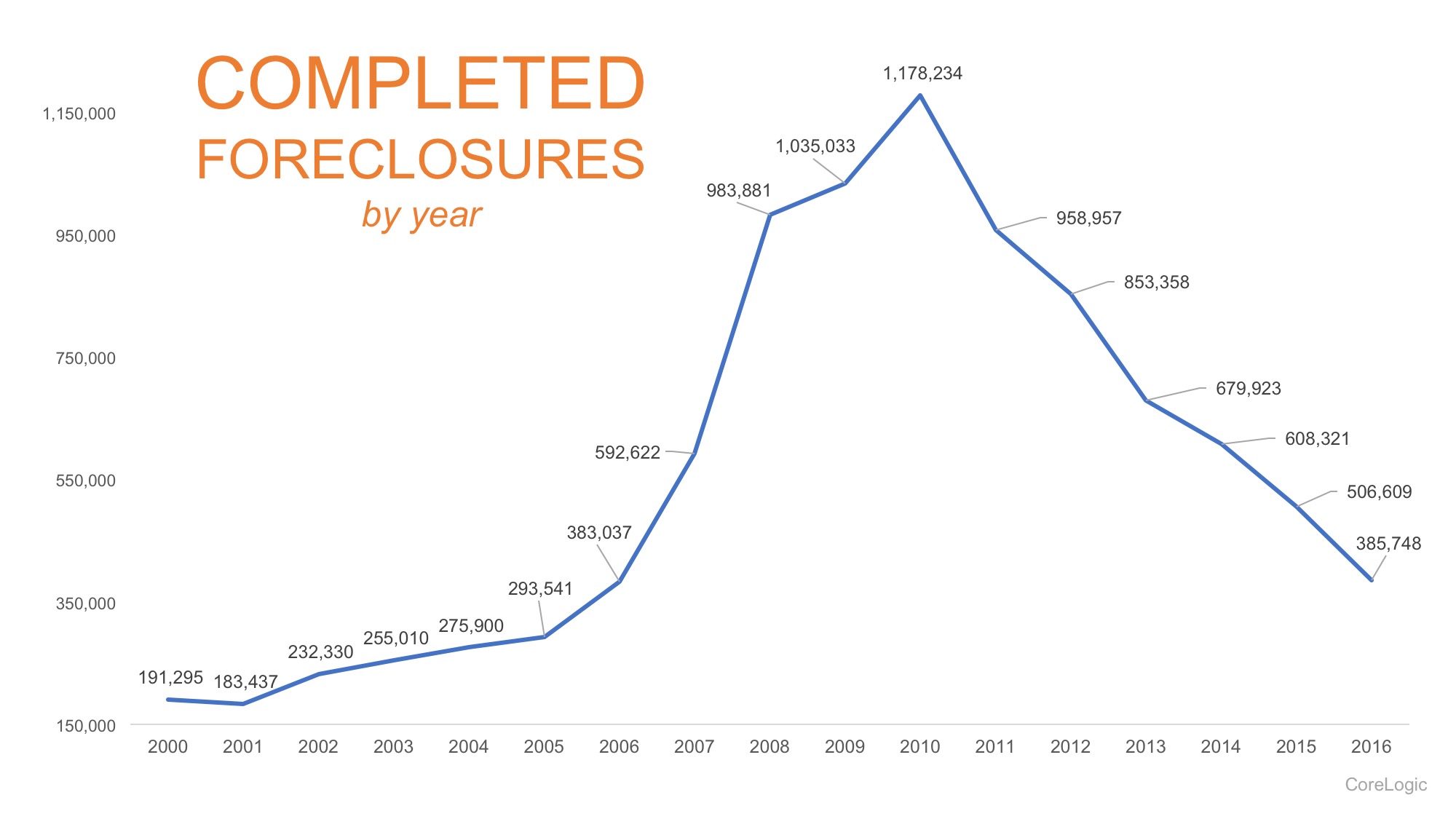
With a peak in 2010 when nearly 1.2 million homes were foreclosed on, over 7.7 million families lost their homes throughout the entire foreclosure crisis.
Dr. Frank Nothaft, Chief Economist for CoreLogic, had this to say,
“The country experienced a wild ride in the mortgage market between 2008 and 2012, with the foreclosure peak occurring in 2010. As we look back over 10 years of the foreclosure crisis, we cannot ignore the connection between jobs and homeownership. A healthy economy is driven by jobs coupled with consumer confidence that usually leads to homeownership.”
Since the peak, foreclosures have been steadily on the decline by nearly 100,000 per year all the way through the end of 2016, as seen in the chart below.
The Foreclosure Crisis: 10 Years Later | MyKCM
If this trend continues, the country will be back to 2005 levels by the end of 2017.

Bottom Line

As the economy continues to improve, and employment numbers increase, the number of completed foreclosures should continue to decrease.

Wednesday, March 23, 2016

Illinois is posting a lower average than the nation, however homeowners are regaining equity in their homes....


91.5% of Homes in the US have Positive Equity | Keeping Current Matters
CoreLogic’s latest Equity Report revealed that one million borrowers regained equity in their homes in 2015. The outlook for 2016 remains positive as well, as an additional 850,000 properties would regain equity if home prices rose another 5% this year. 

The study also revealed:

  • 95% of homes valued over $200,000 now have a positive equity position
  • 87% of homes valued under $200,000 have entered a positive position
  • The 11.5% growth in home equity in Q4 marked the 13th consecutive quarter of double digit gains
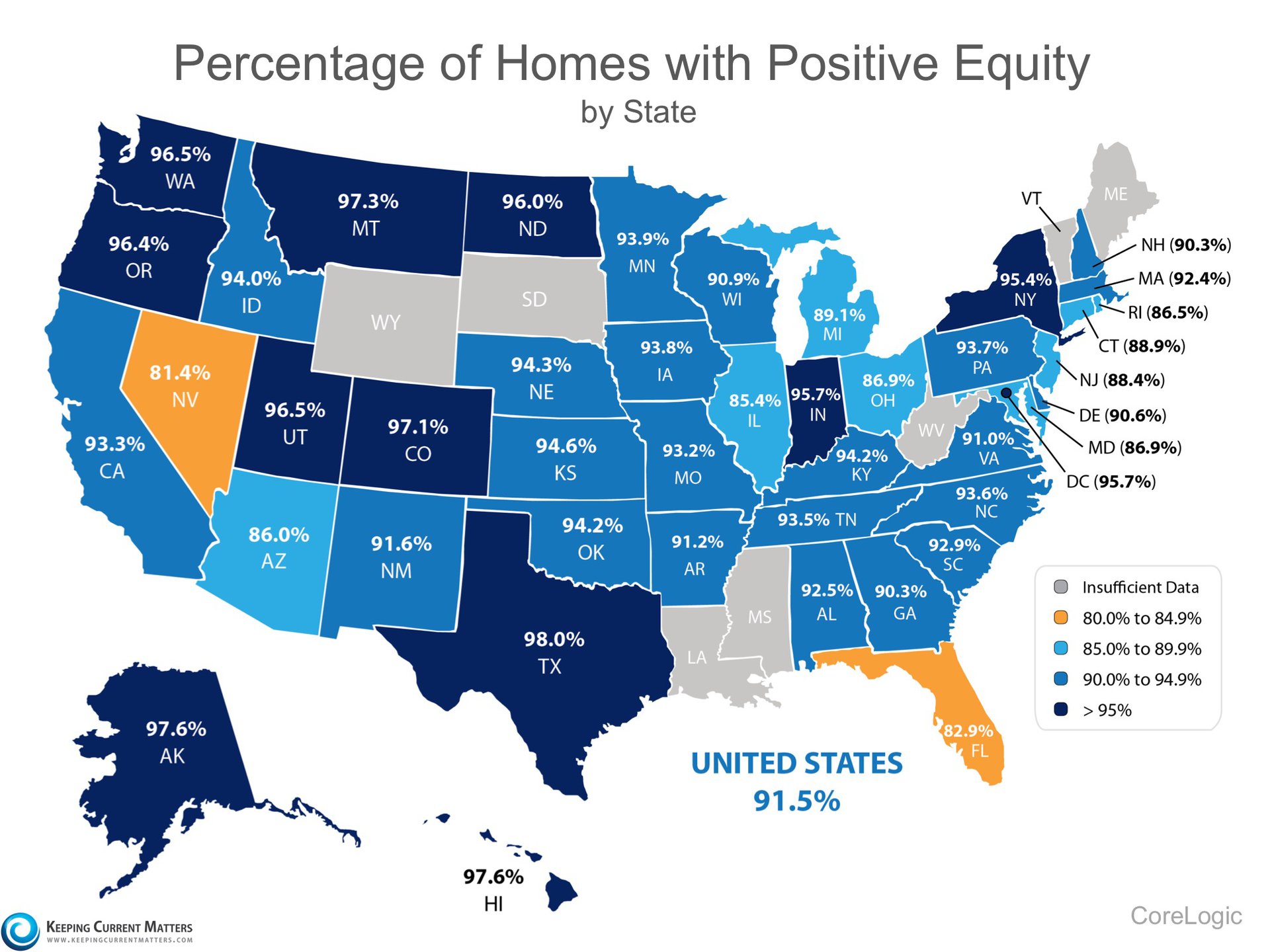
Below is a map showing the percentage of homes with a mortgage, in each state, that have positive equity. (The states in gray have insufficient data to report.)
91.5% of Homes in the US have Positive Equity | Keeping Current Matters

Significant Equity Is On The Rise

Anand Nallathambi, President & CEO of CoreLogic, believes this is great news for the “long-term health of the U.S. economy.” He went on to say:
“The number of homeowners with more than 20% equity is rising rapidly. Higher prices driven largely by tight supply are certainly a big reason for the rise, but continued population growth, household formation and ultralow interest rates are also factors.”
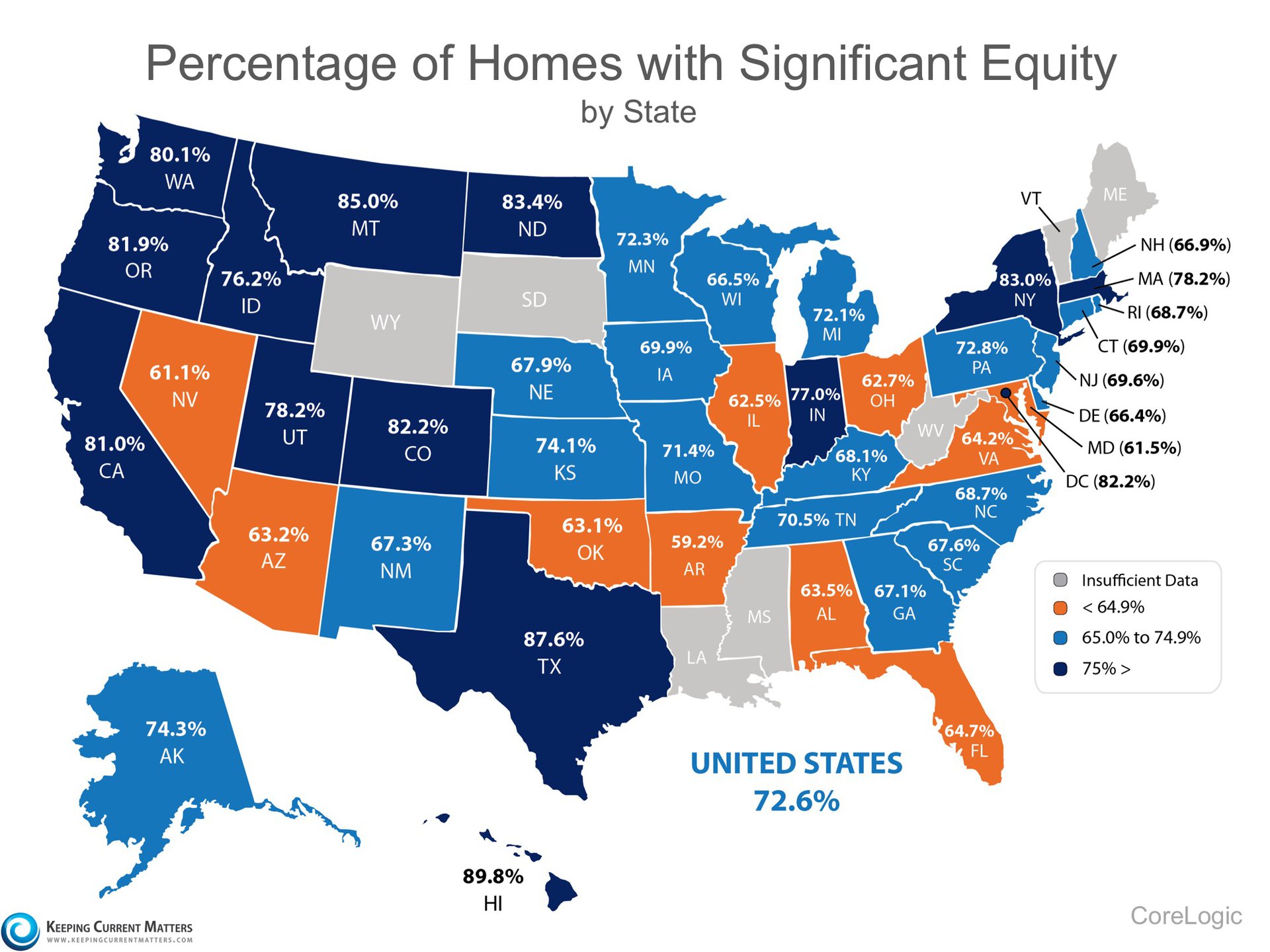
Of the 91.5% of homeowners with positive equity in the US, 72.6% have significant equity (defined as more than 20%). This means that nearly three out of four homeowners with a mortgage could use the equity in their current home to purchase a new home now.
The map below shows the percentage of homes with a mortgage, in each state, with significant equity.
91.5% of Homes in the US have Positive Equity | Keeping Current Matters

Bottom Line

If you are one of the many homeowners who is unsure of how much equity you have in your home and are curious about your ability to move, meet with a local real estate professional who can help evaluate your situation.

Wednesday, March 2, 2016

The debate over whether to buy a home, or rent, is always an interesting one...

The strength of either sides' argument can be helped, or hampered, by the current economy. After the housing crisis that began in 2008, there are more naysayers out there, sharing their opinion that owning a home is not a good investment. Rather, those individuals encourage renting. On the flip side, proponents of owning a home feel strongly that making a monthly mortgage payment encourages fiscal responsibility and creates forced savings. And yes, over time, the return on the money tends to be pretty good. Especially at times like now, when rental prices are skyrocketing due to increased demand by people who defaulted on their mortgages and cannot qualify to purchase a home. The irony of the rental proponents argument, is that in order for there to be a home that can be rented, someone has to own it - therefore creating a positive argument for owning real estate...

One More Time, Real Estate is a Great Investment | Keeping Current Matters
In a recent blog post on Marginal Revolution, economist Alex Tabarrok discussed homeownership as an investment.

Here is what Mr. Tabarrok had to say:

“Housing is overrated as a financial investment. First, it’s not good to have a significant share of your wealth locked into a single asset. Diversification is better and it’s easier to diversify with stocks. Second, unless you are renting the basement, houses don’t pay dividends. Stocks do. You can hope that your house will accumulate in value but don’t count on it. Indeed, you should expect that as an investment your house will appreciate less than does the stock market. You didn’t expect to get a great investment and a place to live in the meantime, did you?”

Here is a rebuttal:

We have reported many times that the American Dream of homeownership is alive and well. Tomorrow, we’ll touch on the personal benefits to homeownership.
Eric Belsky, the Managing Director of the Joint Center of Housing Studies at Harvard University expanded on the top financial benefits of homeownership in his paper -The Dream Lives On: the Future of Homeownership in America.
Let’s use some quotes from Belsky’s study to address comments by Mr. Tabarrok:

Tabarrok:  

“Housing is overrated as a financial investment.”

Belsky:

“Since many people have trouble saving and have to make a housing payment one way or the other, owning a home can overcome people’s tendency to defer savings to another day.”

Tabarrok:

You can hope that your house will accumulate in value but don’t count on it. Indeed, you should expect that as an investment your house will appreciate less than does the stock market.”

Belsky:

“Homeownership allows households to amplify any appreciation on the value of their homes by a leverage factor. Even a hefty 20 percent down payment results in a leverage factor of five so that every percentage point rise in the value of the home is a 5 percent return on their equity. With many buyers putting 10 percent or less down, their leverage factor is 10 or more.”

Tabarrok:

“You didn’t expect to get a great investment and a place to live in the meantime, did you?”

Belsky:

“Homeowners pay debt service to pay down their own principal while households that rent pay down the principal of a landlord.
Homeowners are able to deduct mortgage interest and property taxes from income...On top of all this, capital gains up to $250,000 are excluded from income for single filers and up to $500,000 for married couples if they sell their homes for a gain.”

Bottom Line

We realize that homeownership makes sense for many Americans for an assortment of social and family reasons. It also makes sense financially. If you are considering a purchase this year, contact a local professional who can help evaluate your ability to do so.

Wednesday, January 27, 2016

Are you a "boomerang buyer?"

Over the past several years, 1.5 million homeowners suffered financial hardships that caused them to be unable to continue down the path of owning a home.  Some of those homeowners are about to become eligible to purchase real estate again - and are being affectionately being referred to as a "boomerang buyer."   If you are one of those homeowners who was negatively impacted by the real estate crash - and you want to know if you can buy a home again - give me a call and I can recommend a fabulous mortgage professional to help you answer that question.


A Million+ Boomerang Buyers about to Enter Market | Keeping Current Matters
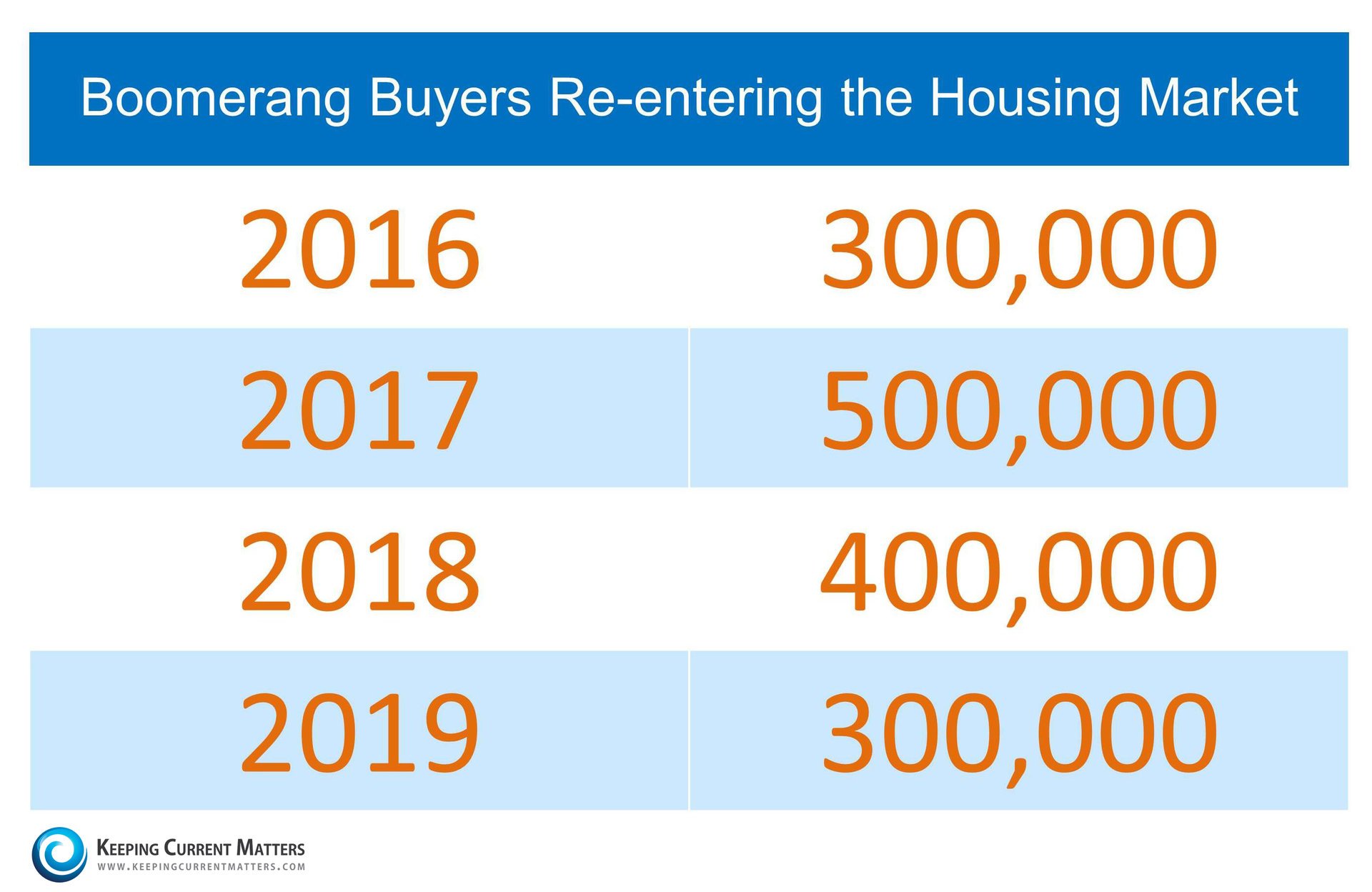
TransUnion recently released the results of a new study titled The Bubble, the Burst and Now - What Happened to the Consumer? The study revealed that 1.5 million homeowners that were negatively impacted by the housing crisis could re-enter the housing market in the next three years.
TransUnion defined “negatively impacted” as…
“…those who were 60+ days past due on a mortgage loan, lost their mortgage through foreclosure, short sale or other non-satisfactory closure, or had a mortgage loan modification between the Bubble and Burst.”
Other interesting findings in the study:
  • During the mortgage bubble in 2006, 78 million consumers, or 43% of credit-active consumers in the U.S., had a mortgage
  • More than 8% of these consumers were “impacted”
  • 5 Million consumers will again be eligible for a mortgage in the next four years
Here are the numbers of consumers who will meet mortgage guidelines over the next four years:
Boomerang Buyers Re-Entering The Market | Keeping Current Matters

Bottom Line

If you are a family that experienced the impact of the last housing crisis, now may be the right time to again buy your own home.