Showing posts with label homeownership. Show all posts

Friday, November 30, 2018

How long have you lived in your home? The average has risen from 6 years to 10. Is it time to move?

How Long Do Most Families Live in a House?

How Long Do Most Families Live in a House? | MyKCM
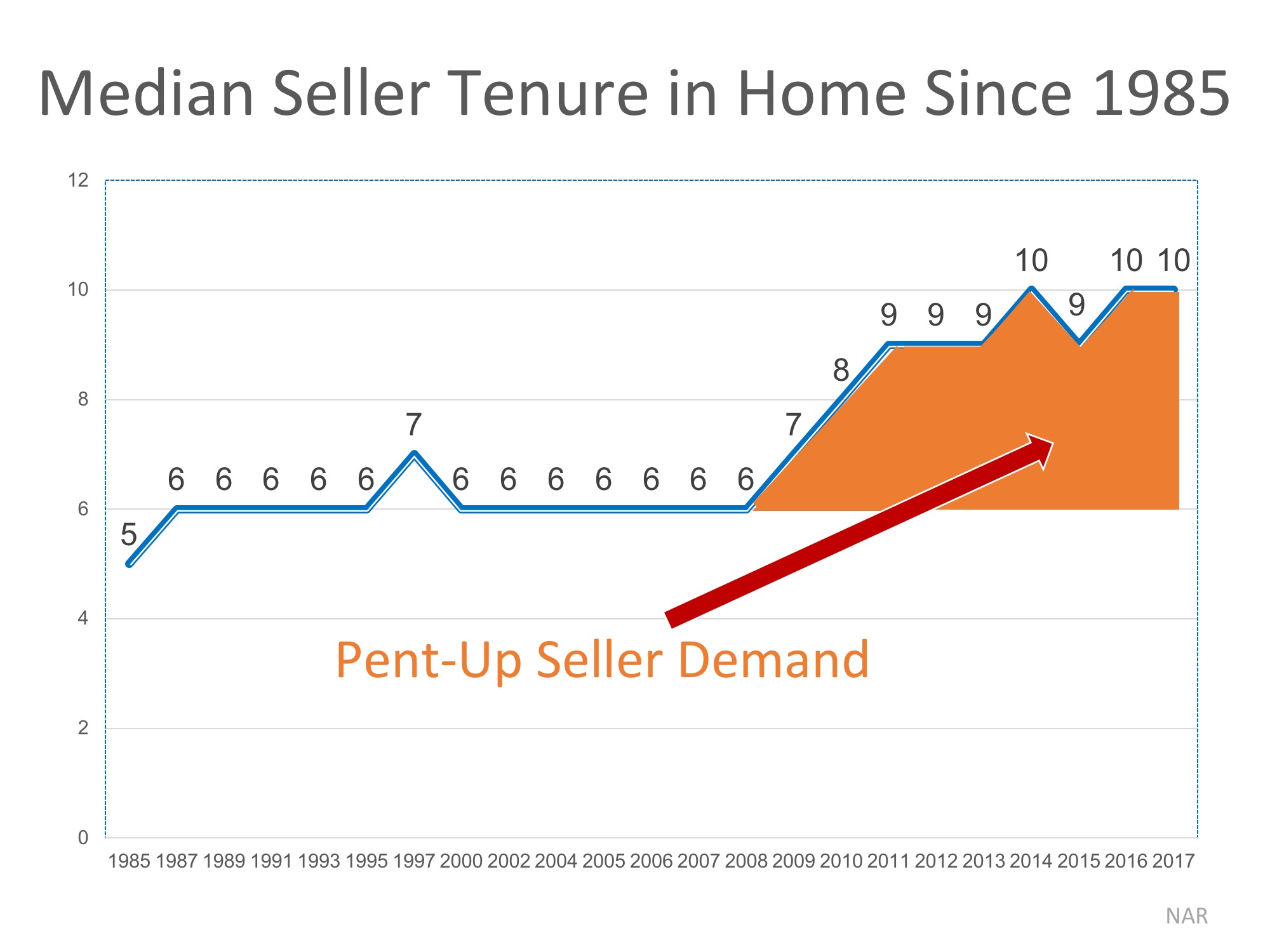
The National Association of Realtors (NAR) keeps historical data on many aspects of homeownership. One of their data points, which has changed dramatically, is the median tenure of a family in a home, meaning how long a family stays in a home prior to moving.
As the graph below shows, over the last twenty years (1985-2008), the median tenure averaged exactly six years. However, since 2014, that average is almost ten years – an increase of almost 50%.
How Long Do Most Families Live in a House? | MyKCM

Why the dramatic increase?

The reasons for this change are plentiful!
The fall in home prices during the housing crisis left many homeowners in a negative equity situation (where their home was worth less than the mortgage on the property). Also, the uncertainty of the economy made some homeowners much more fiscally conservative about making a move.
With home prices rising dramatically over the last several years, 95.3% of homes with a mortgage are now in a positive equity situationaccording to CoreLogic.
With the economy coming back and wages starting to increase, many homeowners are in a much better financial situation than they were just a few short years ago.
One other reason for the increase was brought to light by NAR in their 2018 Home Buyer and Seller Generational Trends Report. According to the report,
“Sellers 37 years and younger stayed in their home for six years…”
These homeowners, who are either looking for more space to accommodate their growing families or for better school districts to do the same, are likely to move more often (compared to typical sellers who stayed in their homes for 10 years). The homeownership rate among young families, however, has still not caught up to previous generations, resulting in the jump we have seen in median tenure!

What does this mean for housing?

Many believe that a large portion of homeowners are not in a house that is best for their current family circumstance; they could be baby boomers living in an empty, four-bedroom colonial, or a millennial couple living in a one-bedroom condo planning to start a family.
These homeowners are ready to make a move, and since a lack of housing inventory is still a major challenge in the current housing market, this could be great news.


Saturday, June 2, 2018

Here are 3 reasons to own a home, that have nothing to do with money...

The Benefits of Homeownership Go Beyond Financial

The Benefits of Homeownership Go Beyond the Financial | MyKCM
Homeownership is a major part of the American Dream. As evidence of that, 91% of Americans believe that owning a home is either essential (43%) or important (48%) to achieving that “dream.” In a market where some people may be unsure about the benefits and possibilities of buying a home, it is important that we remember this.
Homeownership is NOT just about the money. In fact, some of the major benefits are non-financial. Here are a few of those benefits as per the National Association of Realtors:
  • Consistent findings show that homeownership does make a significant positive impact on educational achievement.
  • Several researchers have found that homeowners tend to be more involved in their communities than renters.
  • Early studies of homeownership and health outcomes found that homeowners and children of homeowners are generally happier and healthier than non-owners, even after controlling for factors such as income and education levels that are also associated with positive health outcomes and positively correlated with homeownership.

Bottom Line

Homeownership means something more to people and their families than just the financial considerations.

Monday, February 5, 2018

A homeowner stays in their home for an average of 10 years, double than when data started being tracked in 1985.


Feeling ‘Stuck in Place’? You Aren’t Alone… And There’s Hope!


Feeling ‘Stuck in Place’? You Aren’t Alone… And There’s Hope! | MyKCM
Whether you are a renter who is searching for your dream home or a homeowner who feels like your only option is to renovate, you have at least one thing in common: feeling stuck in place.
According to data from the National Association of Realtors’ Profile of Home Buyers & Sellers, the average amount of time that a family stays in their home remained at 10 years in 2017. This mark ties the highest marks set in 2014 and 2016. Back in 1985, when data was first collected on this subject, homeowners stayed in their homes for an average of only 5 years.
There are many reasons why homeowners have decided to stay and not to sell. A recent Wall Street Journal article had this to say,
“Americans aren’t moving in part because inventory levels have fallen near multidecade lows and home prices have risen to records. Many homeowners are choosing to stay and renovate, in turn making it more difficult for renters to enter the market.” 
Sam Khater, Deputy Chief Economist for CoreLogic, equated the lack of inventory to “not having enough oil in your car and your gears slowly [coming] to a grind.”
Historically, a normal market (in which prices increase at the rate of inflation) requires a 6-7 month supply of inventory. There hasn’t been that much supply since August of 2012! Over the course of the last 12 months, inventory has hovered between a 3.5 to 4.4-month supply, meaning that prices have increased and buyers are still out in force!
Challenges in the new-home construction market have “helped create a bottleneck in the market in which owners of starter homes aren’t trading up to newly built homes, which tend to be pricier, in turn creating a squeeze for millennial renters looking to get into the market.”
“Economists said baby boomers also aren’t in a hurry to trade in the dream homes they moved into in middle age for condominiums or senior living communities because many are staying healthy longer or want to remain near their children.”

So, what can you do if you feel stuck & want to move on?

Don’t give up! If you are looking to move-up to an existing luxury home, there are deals to be had in the higher-priced markets. Demand is strong in the starter and trade-up home markets which means that your house will sell quickly. Let’s work together to build in contingencies that allow you more time to find your dream home; the right buyer will wait.

Friday, January 26, 2018

Owning a home vs renting can yield 44 times the personal net worth over time


The Cost of NOT Owning Your Home


The Cost of NOT Owning Your Home | MyKCM
Owning a home has great financial benefits, yet many continue to rent! Today, let’s look at the financial reasons why owning a home of your own has been a part of the American Dream for as long as America has existed.
Zillow recently reported that:
“In reality, buying or renting a home is an intensely personal decision, with emotional and even financial considerations that go beyond whether to invest in this one (admittedly large) asset. Looking strictly at housing market numbers, there is a concrete point at which buying a home makes more financial sense than renting it.”

What proof exists that owning is financially better than renting?

1. We recently highlighted the top 5 financial benefits of homeownership:
  • Homeownership is a form of forced savings.
  • Homeownership provides tax savings.
  • Homeownership allows you to lock in your monthly housing cost.
  • Buying a home is cheaper than renting.
  • No other investment lets you live inside of it.
2. Studies have shown that a homeowner’s net worth is 44x greater than that of a renter.
3. Just a few months ago, we explained that a family that purchased an average-priced home at the beginning of 2017 could build more than $48,000 in family wealth over the next five years.
4. Some argue that renting eliminates the cost of taxes and home repairs, but every potential renter must realize that all the expenses the landlord incurs are already baked into the rent payment– along with a profit margin!!

Bottom Line

Owning a home has always been, and will always be, better from a financial standpoint than renting.

Tuesday, January 16, 2018

The anticipated rising prices in 2018 will help you build financial wealth...

How Rising Prices Will Help You Build Family Wealth in 2018

How Rising Prices Will Help You Build Family Wealth in 2018 | MyKCM
Over the next five years, home prices are expected to appreciate on average by 3.35% per year and to grow by 24.34% cumulatively, according to Pulsenomics’ most recent Home Price Expectation Survey.

So, what does this mean for homeowners and their equity position?

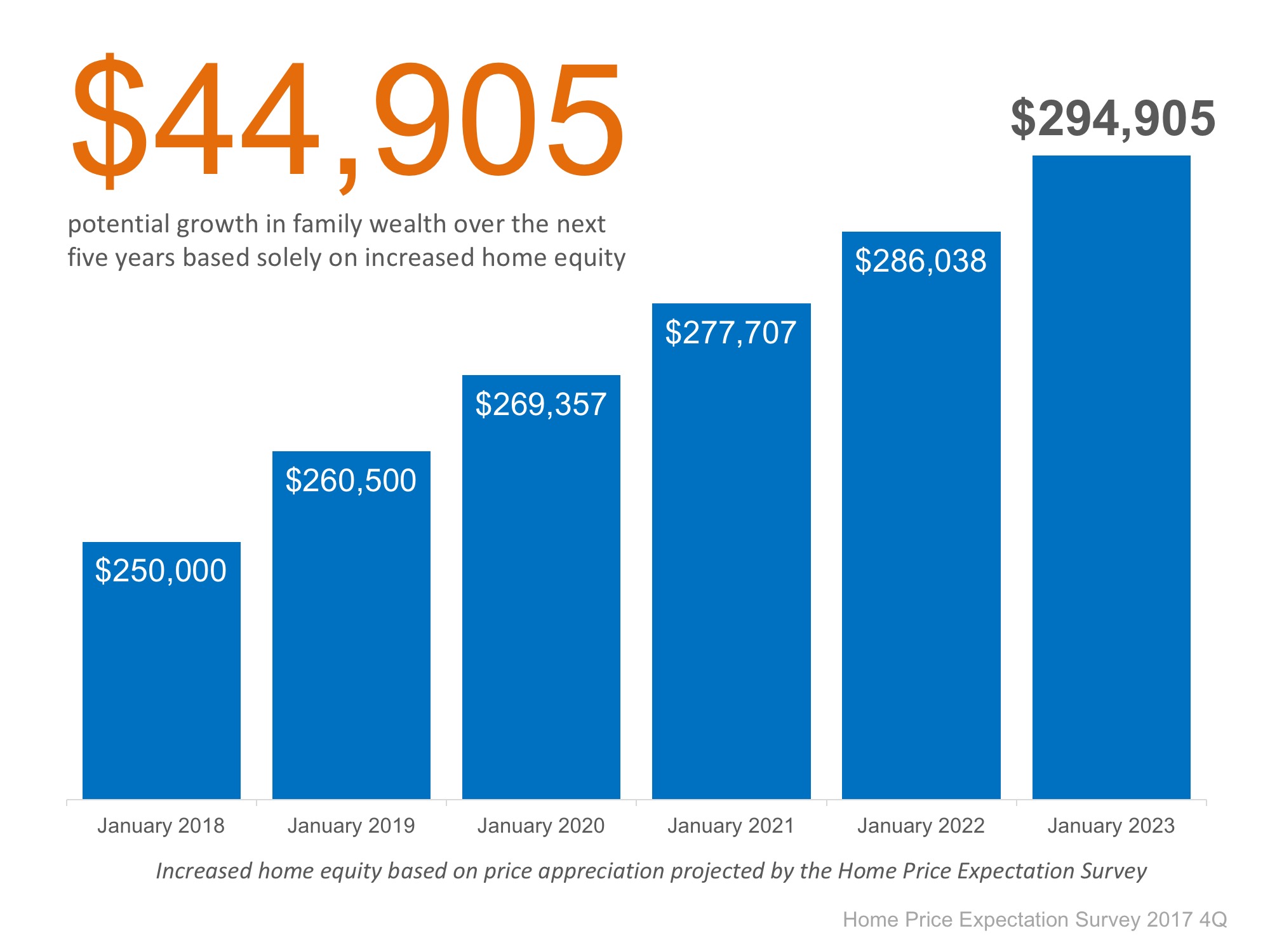
As an example, let’s assume a young couple purchases and closes on a $250,000 home this month (January). If we only look at the projected increase in the price of that home, how much equity will they earn over the next 5 years?
How Rising Prices Will Help You Build Family Wealth in 2018 | MyKCM
Since the experts predict that home prices will increase by 4.2% in 2018, the young homeowners will have gained $10,500 in equity in just one year.
Over a five-year period, their equity will increase by nearly $45,000! This figure does not even take into account their monthly principal mortgage payments. In many cases, home equity is one of the largest portions of a family’s overall net worth.

Bottom Line

Not only is homeownership something to be proud of, but it also offers you and your family the ability to build equity you can borrow against in the future. If you are ready and willing to buy, find out if you are able to today!

Friday, January 5, 2018

Home renovations on your list of New Year's resolutions? Here are some of the best for ROI...


Top 4 Home Renovations for Maximum ROI [INFOGRAPHIC]


Top 4 Home Renovations for Maximum ROI [INFOGRAPHIC] | MyKCM

Some Highlights:

  • Whether you are selling your home, just purchased your first home, or are a homeowner planning to stay put for a while, there is value in knowing which home improvement projects will net you the most “Return On Investment” (ROI).
  • While big projects like adding a bathroom or a complete remodel of a kitchen are popular ways to increase a home’s value, something as simple as updating landscaping and curb appeal can have a quick impact on a home’s value.

Monday, December 18, 2017

No doubt about it, home ownership has financial benefits over renting...

5 Reasons Homeownership Makes ‘Cents’

5 Reasons Homeownership Makes ‘Cents’ | MyKCM
The American Dream of homeownership is alive and well. Recent reports show that the US homeownership rate has rebounded from recent lows and is headed in the right direction. The personal reasons to own differ for each buyer, but there are many basic similarities.
Today we want to talk about the top 5 financial reasons you should own your own home.
  1. Homeownership is a form of forced savings – Paying your mortgage each month allows you to build equity in your home that you can tap into later in life for renovations, to pay off high-interest credit card debt, or even send a child to college. As a renter, you guarantee that your landlord is the person with that equity.
  2. Homeownership provides tax savings – One way to save on taxes is to own your own home. You may be able to deduct your mortgage interest, property taxes, and profits from selling your home, but make sure to always check with your accountant first to find out which tax advantages apply to you in your area.
  3. Homeownership allows you to lock in your monthly housing cost – When you purchase your home with a fixed-rate mortgage, you lock in your monthly housing cost for the next 5, 15, or 30 years. Interest rates have remained around 4% all year, marking some of the lowest rates in history. The value of your home will continue to rise with inflation, but your monthly costs will not.
  4. Buying a home is cheaper than renting – According to the latest report from Trulia, it is now 37.4% less expensive to buy a home of your own than to rent in the US. That number varies throughout the country but ranges from 6% cheaper in San Jose, CA to 57% cheaper in Detroit, MI.
  5. No other investment lets you live inside of it – You can choose to invest your money in gold or the stock market, but you will still need somewhere to live. In a home that you own, you can wake up every morning knowing that your investment is gaining value while providing you a safe place to live.

Bottom Line

Before you sign another lease, let’s get together to help you better understand all your options.

Monday, October 2, 2017

Home values have increased, which means your equity has as well...


Homeowners: Do You Know Your Home’s Value?


Homeowners: Do You Know Your Home’s Value? | MyKCM
The latest edition of CoreLogic’s Home Price Index shows that nationally, home prices have appreciated 6.7% over the last year and 0.9% month-over-month. The release of the report included this headline,

“National Home Prices Now 50% Above March 2011 Bottom”

The real estate market has come a long way since 2011, which is great news for homeowners!
Nearly 79% of homeowners with a mortgage in the US now have significant equity in their homes (defined as over 20%), according to the latest Equity Report. The challenge is that not every homeowner knows how much their home’s value has appreciated.
Homeowners in Denver, CO lead the way with 8.7% appreciation over the last year, while owners in Washington and Utah have experienced a 3% increase in values since the start of this year!
Nationally, CoreLogic forecasts that home values will increase another 5.0% by this time next year.
Bill Banfield, VP of Capital Markets at Quicken Loans, recently explained the importance of knowing the conditions in your area,
“With home values constantly changing, and the rates of change varying across the country, this is one more way to show how important it is for homeowners to stay aware of their local housing market.”

Bottom Line

Do you know what your house is worth? Have you stayed put because you are nervous you won’t have enough equity to buy your dream home? Let’s get together to perform an equity analysis and give you the freedom to achieve your dreams.

Tuesday, September 26, 2017

Each year, homeowners transition to "empty nesters." Many face the decision on whether to remodel, or move. Depending how how you answer these questions, one may clearly be a better option than the other...

Empty Nesters: Best to Remodel or Time to Sell?

Empty Nesters: Best to Remodel or Time to Sell? | MyKCM
Your children have finally moved out and you and your spouse now live alone in a four-bedroom colonial (or a similar type of house). You have two choices to make:
  1. Remodel your house to fit your current lifestyle and needs
  2. Sell your house and purchase the perfect home
Based on the record of dollars spent on remodeling and renovations, it appears that many homeowners are deciding on number one. But, is that the best long-term solution?
If you currently live in a 3-4-bedroom home, you probably bought it at a time when your children were the major consideration in determining family housing needs. Along with a large home, you more than likely also considered school district, the size of the property and the makeup of other families living in the neighborhood (example: you wanted a block with other kids your children could play with and a backyard large enough to accommodate that).
Remodeling your home to meet your current needs might mean combining two bedrooms to make one beautiful master suite and changing another bedroom into the massive walk-in closet you always wanted. However, if you live in a neighborhood that historically attracts young families, you may be dramatically undermining the value of your house by cutting down the number of bedrooms and making it less desirable to the typical family moving onto your block.
And, according to a recent study, you will recoup only 64.4% of a remodeling project’s investment dollars if you sell in the future.
Your home is probably at its highest value as it stands right now. Instead of remodeling your house, it may make better financial sense to sell your current home and purchase a home that was built specifically to meet your current lifestyle and desires.
In many cases, this well-designed home will give you exactly what you want in less square footage (read less real estate taxes!) than your current home.

Bottom Line

If you are living in a house that no longer fits your needs, at least consider checking out other homes in your area that would meet your lifestyle needs before taking on the cost and hassle of remodeling your current house.

Tuesday, September 19, 2017

Have you always wanted to upgrade to a luxury home? Right now, the luxury housing market is in a buyer's market, while lower priced housing tends to lean more towards being a seller's market. It's a great combo for an upgrading buyer!

Want to Keep up with the Joneses? Now's the Time

Want to Keep Up with the Joneses? Now’s the Time | MyKCM
Does your current house fit your needs? Does it seem like everyone else is moving up and moving on to more luxurious surroundings? Are you wondering what it would take to start living your dream life?
Market conditions around the country have presented an opportunity like no other for those who are looking to make the jump to a premium or luxury home.
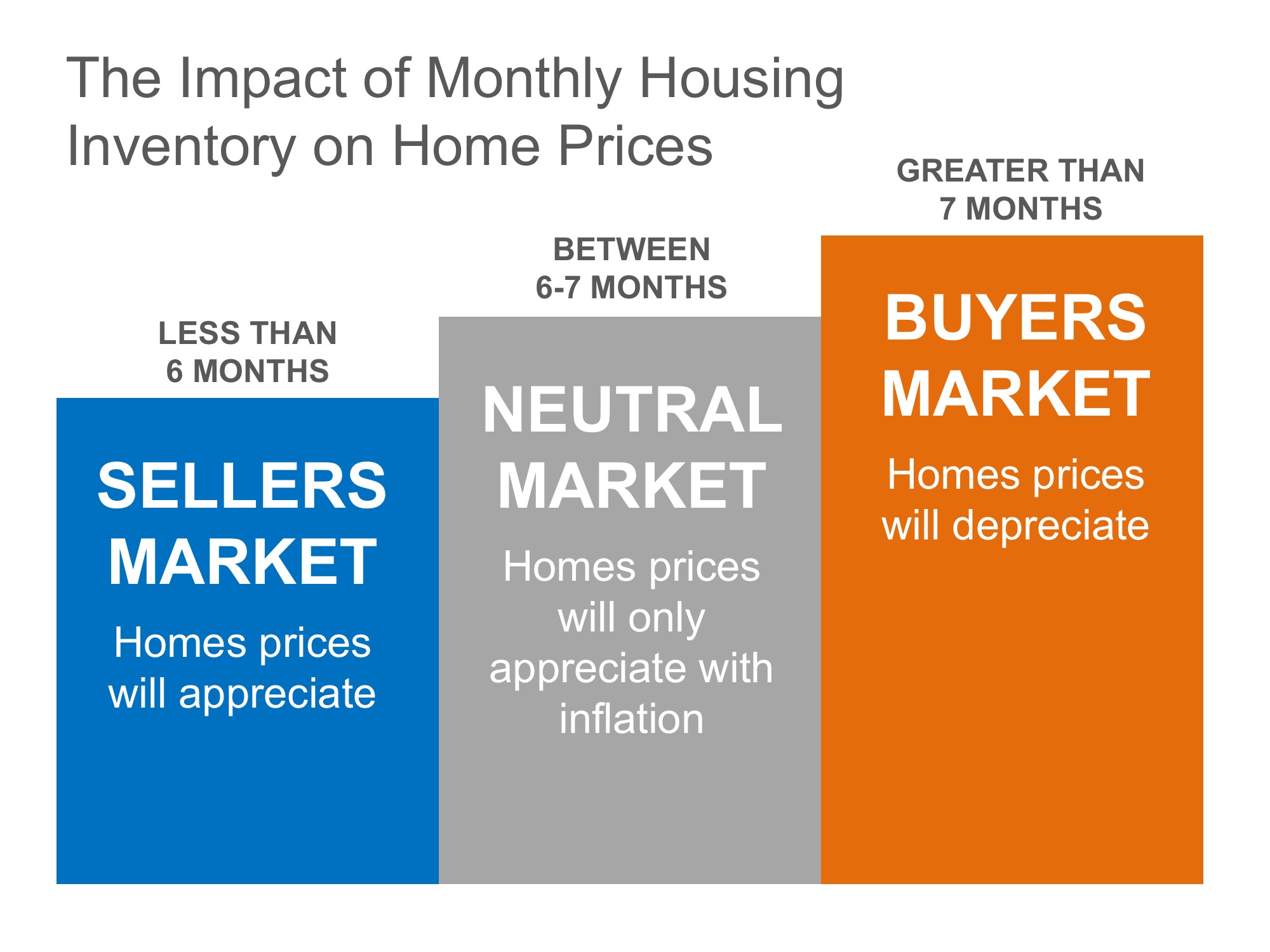
The National Association of Realtors reports that national inventory levels are now at a 4.3-month supply. A normal market, where prices appreciate with inflation, has 6-7-months inventory. The national market has echoed the conditions felt in the starter and trade-up markets as inventory has declined year-over-year for 25 consecutive months.
The chart below shows the relationship between the inventory of homes for sale and prices.
Want to Keep Up with the Joneses? Now’s the Time | MyKCM
According to Trulia’s latest Inventory Report, the inventory of homes for sale in the two lower priced markets has dropped by double digit percentages over the last 12 months (16% for starter and 13% for trade-up homes). While the inventory of homes in the premium home category has dropped by only 4%.
This has created a seller’s market in the lower-priced markets, as 54% of homes were on the market for less than a month in the last Realtors Confidence Index, and a buyer’s market in the luxury market, where homes were on the market for an average of 160 days according to the Institute for Luxury Home Marketing.

Bottom Line

If you are even thinking of listing your home and moving up to a luxury home, let’s get together to evaluate your ability to do so. Homeowners across the country are upgrading their homes, why can’t you? Your dream home is waiting!

Thursday, August 31, 2017

It has been almost 10 years since the start of the housing market crash. In that time, we have gone from the bottom of the bottom, to over 90% of homeowners having positive equity in their homes. Not perfect, but better than it was!

93.9% Of Homes in The US Have Positive Equity

93.9% Of Homes in The US Have Positive Equity | MyKCM
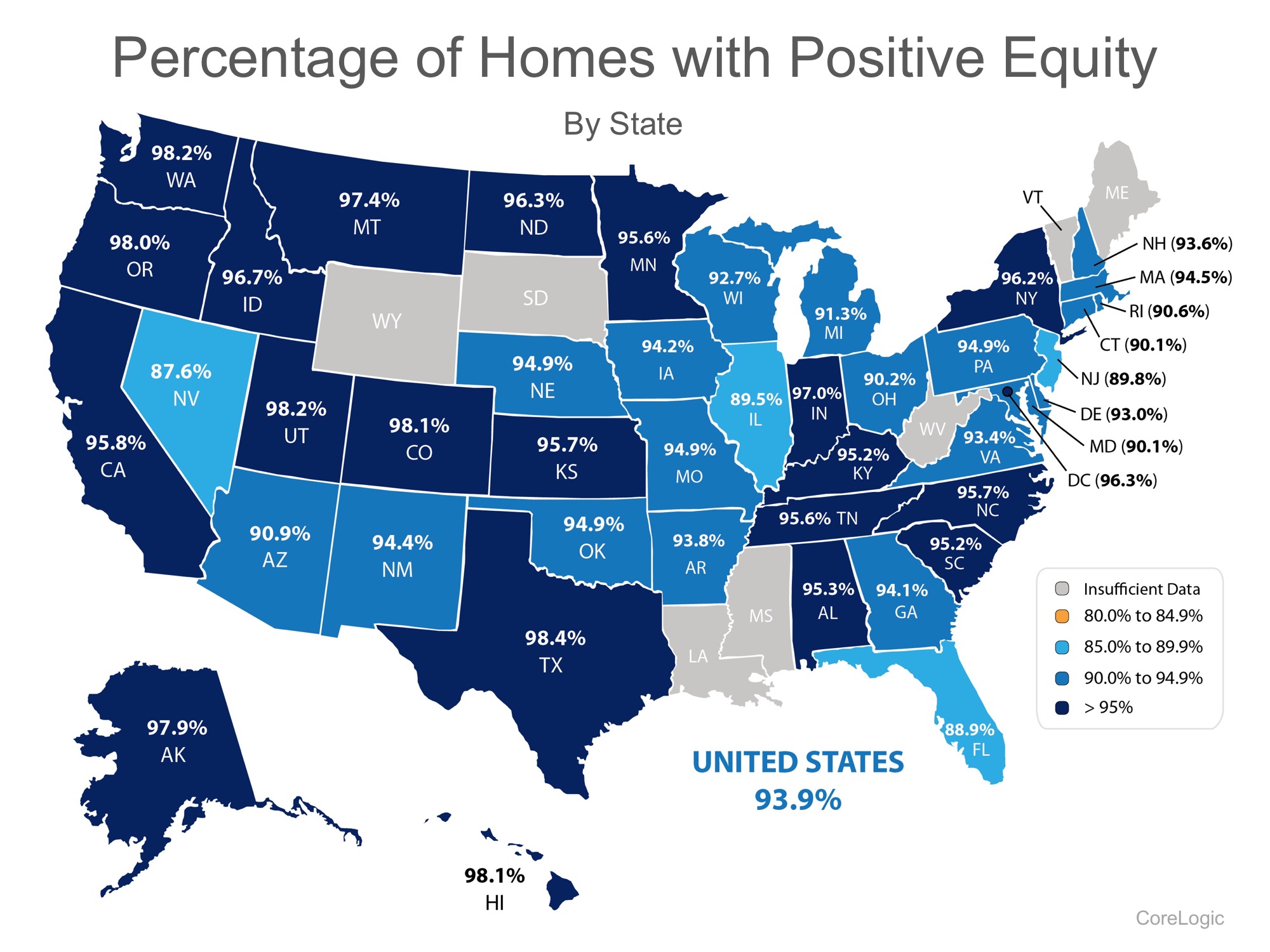
CoreLogic’s latest Equity Report revealed that ninety-one thousand residential properties regained equity in Q1 2017. The outlook for 2017 remains positive as well, as an additional 600 thousand properties will regain equity if home prices rise another 5% this year.

The study also revealed that:

  • Roughly 63% of all homeowners have seen their equity increase since Q1 2016
  • The average homeowner gained about $14,000 in equity between Q1 2016 and Q1 2017
  • Only 1.6% of residential properties are near-negative equity
Below is a map showing the percentage of homes with a mortgage, in each state, that have positive equity. (The states in gray have insufficient data to report.)
93.9% Of Homes in The US Have Positive Equity | MyKCM

Significant Equity Is On The Rise

Frank Martell, President & CEO of CoreLogic, believes this is great news for the “long-term health of the U.S. economy.” He went on to say:
“Homeowner equity increased by $766 billion over the last year, the largest increase since Q2 2014. The rising cushion of home equity is one of the main drivers of improved mortgage performance. Since home equity is the largest source of homeowner wealth, the increase in home equity also supports consumer balance sheets, spending and the broader economy.”
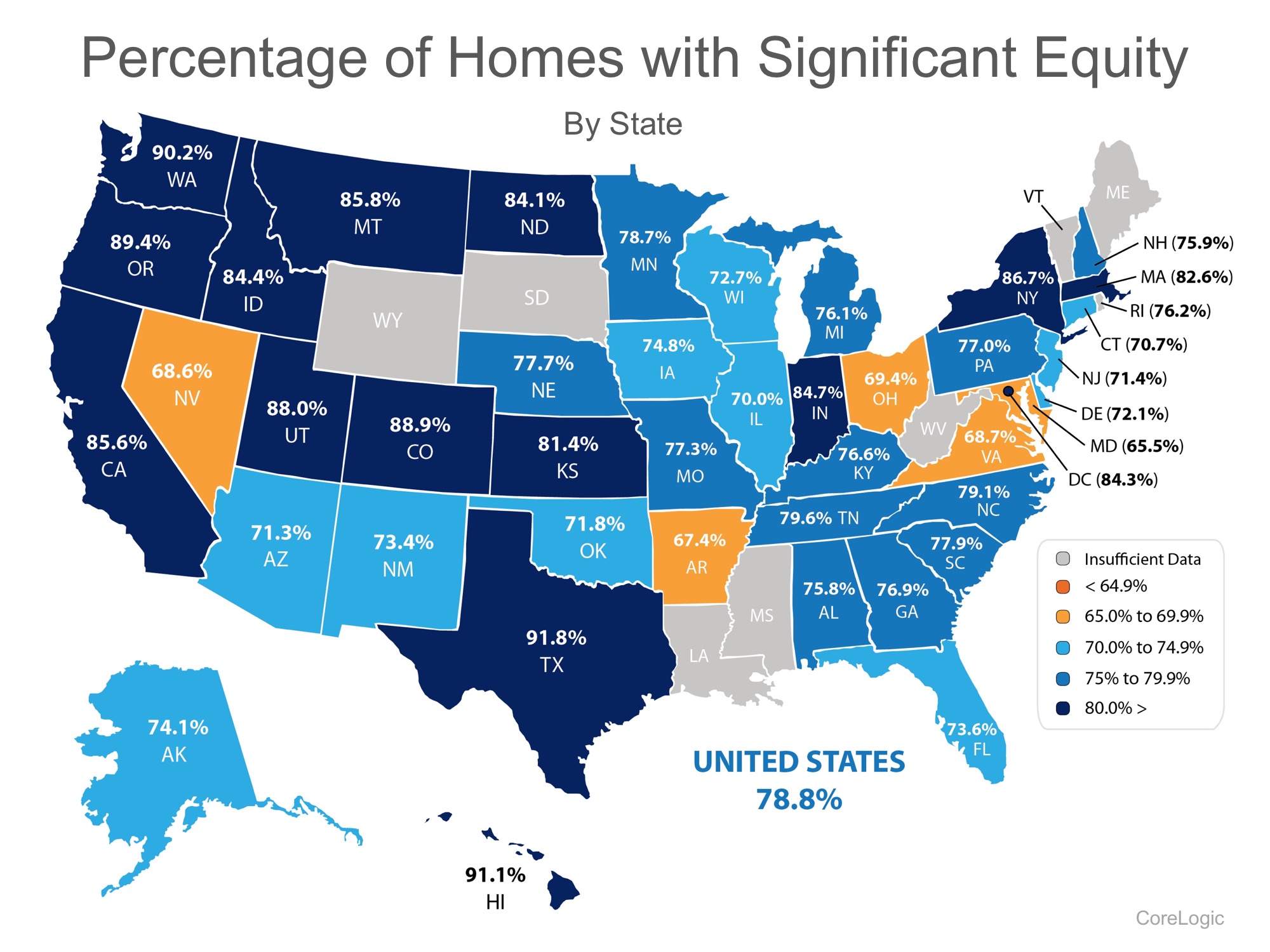
Of the 93.9% of homeowners with positive equity in the US, 78.8% have significant equity (defined as more than 20%). This means that nearly three out of four homeowners with a mortgage could use the equity in their current home to purchase a new home, now.
The map below shows the percentage of homes with a mortgage, in each state, that have significant equity. (The states in gray have insufficient data to report.)
93.9% Of Homes in The US Have Positive Equity | MyKCM

Bottom Line 

If you are one of the many homeowners who are unsure of how much equity they have in their homes and are curious about their ability to move, let’s meet up to evaluate your situation.

Thursday, August 3, 2017

Housing inventory is still fairly low...which is causing some buyers to put the brakes on their moving plans...

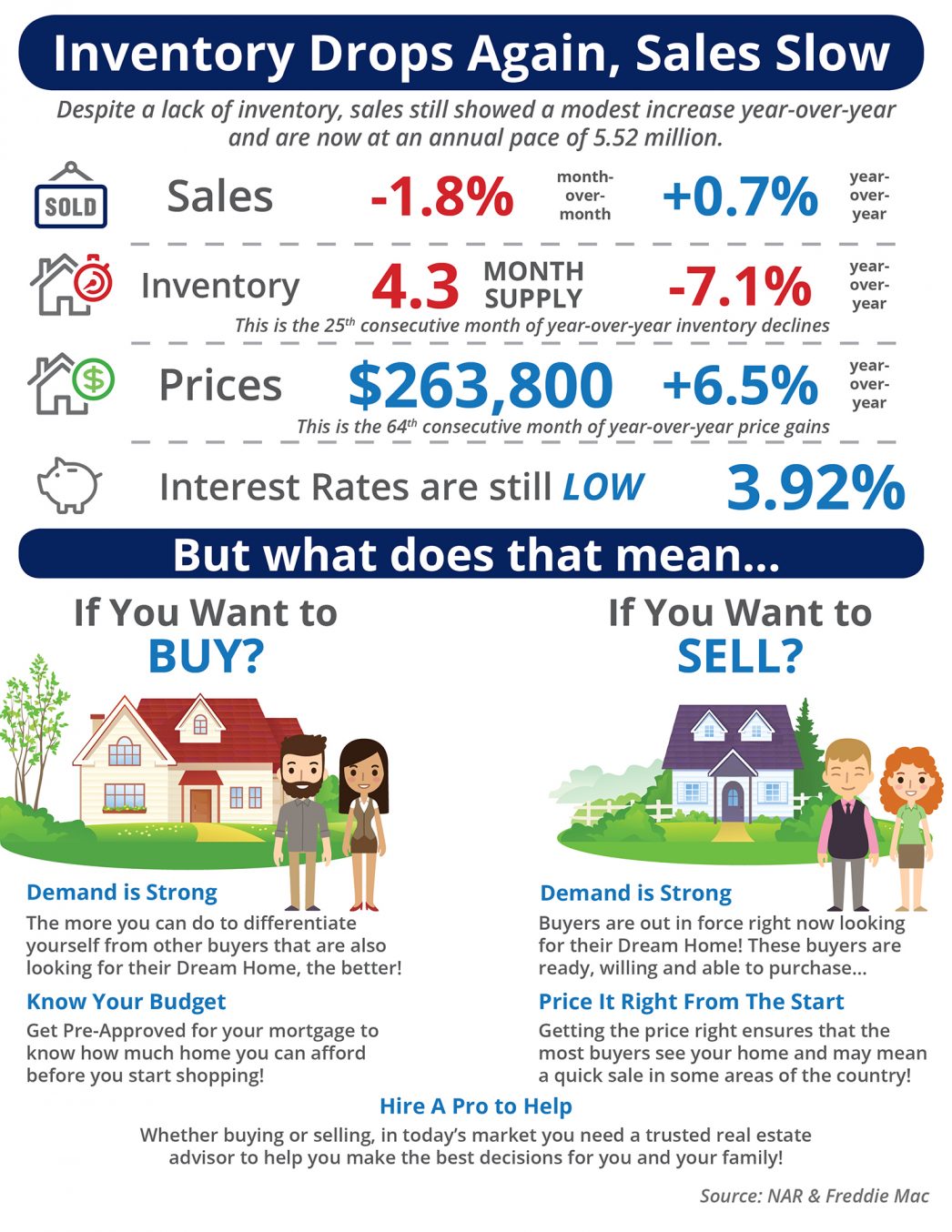
Inventory Drops Again, Sales Slow [INFOGRAPHIC]

20170728 EHS June Infographic

Highlights:

  • Existing Home Sales are now at an annual pace of 5.52 million.
  • Inventory of existing homes for sale dropped to a 4.3-month supply, marking the 25th month in a row of declines.
  • The median price of homes sold in June was $263,800. This is the 64th consecutive month of year-over-year price gains.

Tuesday, July 25, 2017

Owning a home offers a multitude of benefits...

The 5 Greatest Benefits of Homeownership

The 5 Greatest Benefits of Homeownership | MyKCM
Recently, Freddie Mac reported on the benefits of homeownership. According to their report, here are the five benefits that “should be at the top of everyone’s list.”
  1. Homeownership can help you build equity over time.
  2. Your monthly payments will remain stable.
  3. You may have some tax benefits.
  4. You can take pride in ownership.
  5. Homeownership improves your community.
Let’s expand on each of Freddie Mac’s points:

Homeownership can help you build equity over time.

Every three years, the Federal Reserve conducts a Survey of Consumer Finances in which they collect data across all economic and social groups. The latest survey, which includes data from 2010-2013, reports that a homeowner’s net worth is 36 times greater than that of a renter ($194,500 vs. $5,400).
In a Forbes article, the National Association of Realtors’ (NAR) Chief Economist Lawrence Yun reported that now the net worth gap is 45 times greater.

Your monthly payments will remain stable.

When you purchase a home with a fixed rate mortgage, the majority of the payment (principle and interest) remain constant. On the other hand, rents continue to skyrocket. Your housing expense is much more stable if you own instead of rent.

You may have some tax benefits.

According to the Tax Policy Center’s Briefing Book -“A citizen’s guide to the fascinating (though often complex) elements of the federal Tax System” – there are several tax advantages to homeownership.
Here are four items from the Briefing Book:
  • Mortgage Interest Deduction
  • Property Tax Deduction
  • Imputed Rent
  • Profits from Home Sale

You can take pride in ownership.

Most surveys show that a major factor in purchasing a home is the freedom you have to design the home the way you want. From paint colors to yard accessories, you don’t need a landlord’s permission to make the house feel like a home.

Homeownership improves your community.

The National Association of Realtors recently released a study titled ‘Social Benefits of Homeownership and Stable Housing.’ The study explained:
“Homeownership does create social capital and provide residents with a platform from which to connect and interact with neighbors…Owning a home means owning part of a neighborhood, and a homeowner’s feelings of commitment to the home can arouse feelings of commitment to the neighborhood, which, in turn, can produce interactions with neighbors.”

Bottom Line

There are many benefits to homeownership. That is why it is still a critical piece of the American Dream.

Monday, July 24, 2017

If your buyer is securing a mortgage, your home has to be sold twice...

Homeowners: Your Home Must Be Sold TWICE

Homeowners: Your Home Must Be Sold TWICE | MyKCM
In today’s housing market, where supply is very low and demand is very high, home values are increasing rapidly. Many experts are projecting that home values could appreciate by another 5%+ over the next twelve months. One major challenge in such a market is the bank appraisal.
If prices are surging, it is difficult for appraisers to find adequate, comparable sales (similar houses in the neighborhood that recently closed) to defend the selling price when performing the appraisal for the bank.
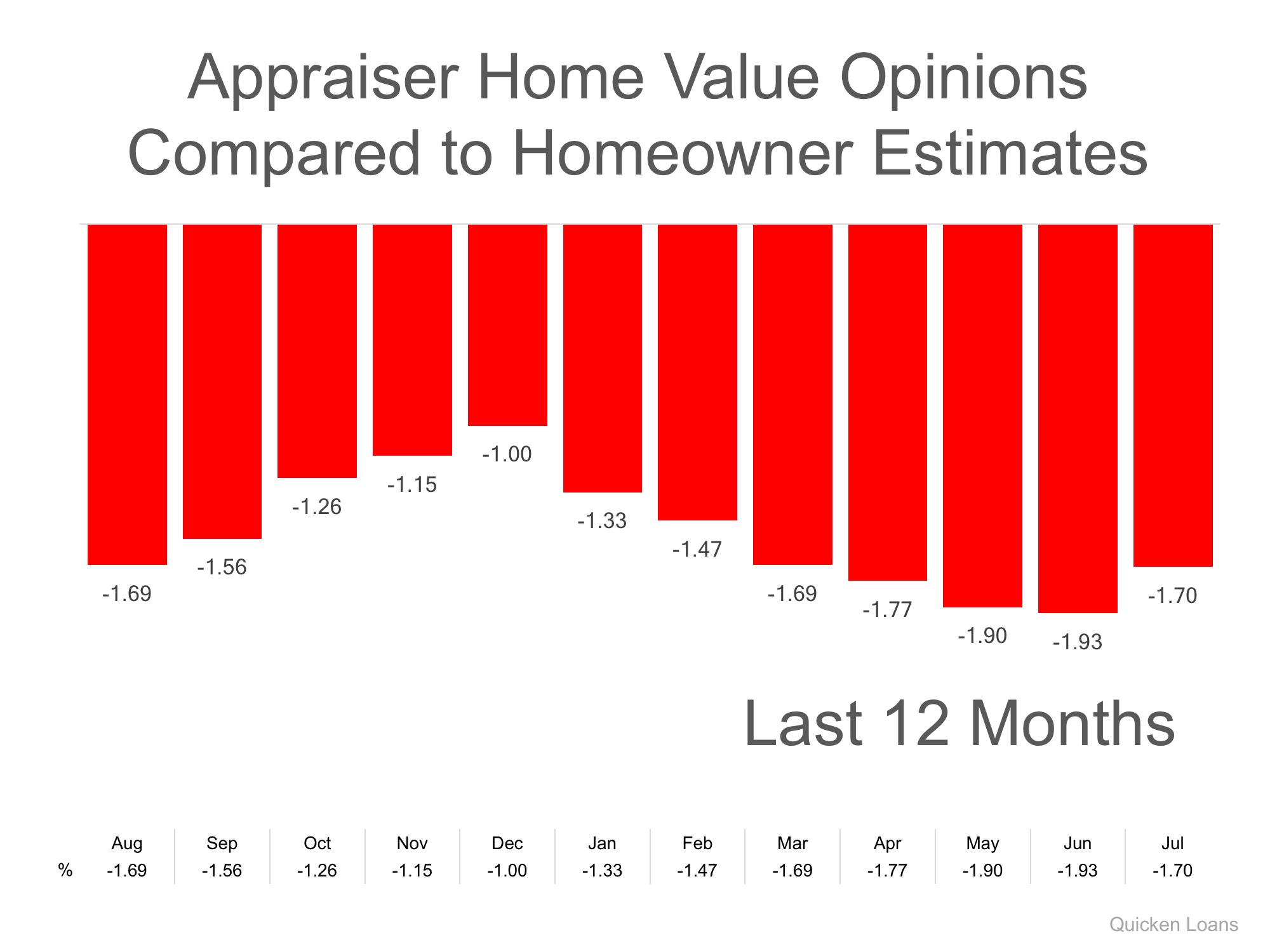
Every month in their Home Price Perception Index (HPPI), Quicken Loans measures the disparity between what a homeowner who is seeking to refinance their home believes their house is worth, as compared to an appraiser’s evaluation of that same home.
Bill Banfield, VP of Capital Markets at Quicken Loans urges anyone looking to buy or sell in today’s market to remember the impact of this challenge: 
“While a 1 or 2 percent difference in home value opinions may not seem like a lot, it could be enough to derail a mortgage.
A homeowner [or a buyer] could be forced to bring more cash to closing in order to make a mortgage work if the appraisal is lower than expected. On the other hand, if an appraisal comes in higher, they could be surprised with more equity than they had planned. Either way, if owners are aware of their local markets it will lead to smoother mortgage transactions.”
The chart below illustrates the changes in home price estimates over the last 12 months.
Homeowners: Your Home Must Be Sold TWICE | MyKCM

Bottom Line

Every house on the market has to be sold twice; once to a prospective buyer and then to the bank (through the bank’s appraisal). With escalating prices, the second sale might be even more difficult than the first. If you are planning on entering the housing market this year, let’s get together to discuss this and any other obstacle that may arise.

Monday, July 17, 2017

Current interest rates are a quarter of what they were in the 80's.

Be Thankful You Don’t Have to Pay Mom and Dad’s Interest Rate

Be Thankful You Don’t Have to Pay Mom and Dad’s Interest Rate | MyKCM
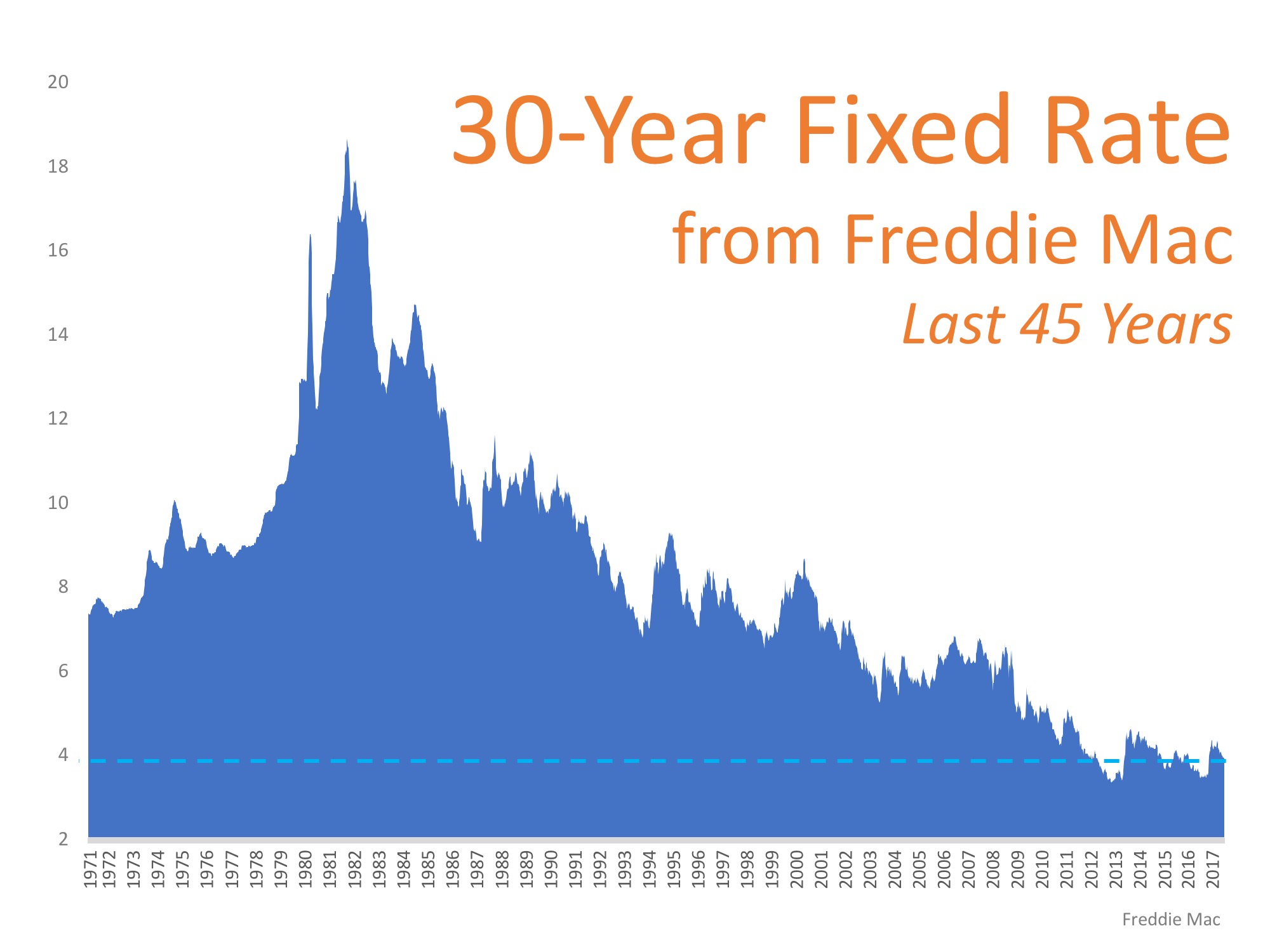
Interest rates have hovered around 4% for the majority of 2017, which has given many buyers relief from rising home prices and has helped with affordability. Experts predict that rates will increase by the end of 2017 and will be about three-quarters of a percentage point higher, at 4.5%, by the end of 2018.
Last week’s Freddie Mac Primary Mortgage Market Survey revealed that interest rates for a 30-year fixed rate mortgage have fallen to their lowest mark this year, at 3.88%. This is great news for homebuyers looking to purchase and homeowners looking to refinance.
The rate you secure greatly impacts your monthly mortgage payment and the amount you will ultimately pay for your home.
Let’s take a look at a historical view of interest rates over the last 45 years.
Be Thankful You Don’t Have to Pay Mom and Dad’s Interest Rate | MyKCM

Bottom Line

Be thankful that you can still get a better interest rate than your older brother or sister did ten years ago, a lower rate than your parents did twenty years ago, and a better rate than your grandparents did forty years ago.

Friday, July 14, 2017

Don't even walk through a house until you have been pre-approved for a mortgage...

Pre-Approval Should Always Be Your First Step

Pre-Approval Should Always Be Your First Step | MyKCM
In many markets across the country, the number of buyers searching for their dream homes greatly outnumbers the amount of homes for sale. This has led to a competitive marketplace where buyers often need to stand out. One way to show you are serious about buying your dream home is to get pre-qualified or pre-approved for a mortgage before starting your search.
Even if you are in a market that is not as competitive, knowing your budget will give you the confidence of knowing if your dream home is within your reach.
Freddie Mac lays out the advantages of pre-approval in the My Home section of their website:
“It’s highly recommended that you work with your lender to get pre-approved before you begin house hunting. Pre-approval will tell you how much home you can afford and can help you move faster, and with greater confidence, in competitive markets.”
One of the many advantages of working with a local real estate professional is that many have relationships with lenders who will be able to help you with this process. Once you have selected a lender, you will need to fill out their loan application and provide them with important information regarding “your credit, debt, work history, down payment and residential history.” 
Freddie Mac describes the 4 Cs that help determine the amount you will be qualified to borrow:
  1. Capacity: Your current and future ability to make your payments
  2. Capital or cash reserves: The money, savings, and investments you have that can be sold quickly for cash
  3. Collateral: The home, or type of home, that you would like to purchase
  4. Credit: Your history of paying bills and other debts on time
Getting pre-approved is one of many steps that will show home sellers that you are serious about buying, and it often helps speed up the process once your offer has been accepted.

Bottom Line

Many potential home buyers overestimate the down payment and credit scores needed to qualify for a mortgage today. If you are ready and willing to buy, you may be pleasantly surprised at your ability to do so as well.

Thursday, July 13, 2017

Renting isn't always the cheaper alternative...

The Cost of Renting vs. Buying in the US [INFOGRAPHIC]

The Cost of Renting vs. Buying in the US [INFOGRAPHIC] | MyKCM

Some Highlights:

  • Historically, the choice between renting or buying a home has been a tough decision.
  • Looking at the percentage of income needed to rent a median-priced home today (29.2%) vs. the percentage needed to buy a median-priced home (15.8%), the choice becomes obvious.
  • Every market is different. Before you renew your lease again, find out if you can put your housing costs to work by buying this year!

Tuesday, July 11, 2017

Do you have home equity planned into your retirement?

The Importance of Home Equity in Retirement Planning

The Importance of Home Equity in Retirement Planning | MyKCM
We often discuss the difference in family wealth between homeowner households and renter households. Much of that difference is the result of the equity buildup that homeowners experience over the time that they own their home. In a report recently released by the nonpartisan Employee Benefit Research Institute (EBRI), they reveal how valuable equity can be in retirement planning.
Craig Copeland, Senior Research Associate at EBRI, recently authored a report, Importance of Individual Account Retirement Plans and Home Equity in Family Total Wealth, in which he reveals:
“Individual account retirement plan assets, plus home equity, represent almost all of what families have to use for retirement expenses outside of Social Security and traditional pensions. Those families without individual account assets typically have very low overall assets, so they have almost nothing to draw from for retirement expenses.”
The report echoed the findings of a working paper, Home Equity Patterns among Older American Households, authored by Barbara Butrica and Stipica Mudrazija of Urban Institute. Fannie Mae highlighted these findings for their blog The Home Story this past winter, quoting Butrica and Mudrazija:
 “For most adults near traditional retirement age, a home is their most valuable asset — dwarfing retirement accounts, other financial assets, and other nonfinancial assets. Although relatively few retirees tap into their home equity, having it provides financial security… In fact, many retirement security experts argue that the conventional three-legged stool of retirement resources — Social Security, pensions, and savings — is incomplete because it ignores the home.”
USAToday interviewed two area experts to comment on the EBRI report. Randy Bruns, a private wealth adviser with HighPoint Planning Partners, agreed with the findings:
“Social Security and home equity are major pieces of the retirement puzzle.”
Wade Pfau, Professor of Retirement Income at The American College of Financial Services and author of Reverse Mortgages: How to use Reverse Mortgages to Secure Your Retirement, said having the equity without a plan to use it won’t help:
“Home equity is a very important asset for American retirees, and so it is important to think about how to make best use of home equity in retirement planning.”

Bottom Line

Whether you use the equity in your home through a reverse mortgage or by selling and downsizing to a less expensive home, it should be a crucial piece of your retirement planning.

Friday, June 30, 2017

The housing market continues to see an increase in the number of homeowners that now have positive equity in their homes...

Do You Know How Much Equity You Have in Your Home?

Do You Know How Much Equity You Have in Your Home? | MyKCM
CoreLogic’s latest Equity Report revealed that 91,000 properties regained equity in the first quarter of 2017. This is great news for the country, as 48.2 million of all mortgaged properties are now in a positive equity situation.
Price Appreciation = Good News for Homeowners
Frank Nothaft, CoreLogic’s Chief Economist, explains:
One million borrowers achieved positive equity over the last year, which means risk continues to steadily decline as a result of increasing home prices.”
Frank Martell, President and CEO of CoreLogic, believes this is a great sign for the market in 2017 as well, as he had this to say:
Homeowner equity increased by $766 billion over the last year, the largest increase since Q2 2014. The rising cushion of home equity is one of the main drivers of improved mortgage performance. Since home equity is the largest source of homeowner wealth, the increase in home equity also supports consumer balance sheets, spending and the broader economy.”

This is great news for homeowners! But, do they realize that their equity position has changed?

According to the Fannie Mae’s Home Purchase Sentiment Index (HPSI), more homeowners are beginning to realize that they may have more equity than they first thought.
This is only the second time in the survey’s history that the net share of those saying it’s a good time to sell surpassed the net share of those saying it’s a good time to buy.

78.8% of homeowners have significant equity (more than 20%) in their homes today!

This means that many Americans with a mortgage have an opportunity to take advantage of today’s seller’s market. With a sizeable equity position, many homeowners could easily move into a housing situation that better meets their current needs (moving to a larger home or downsizing).
Doug Duncan, Senior Vice President and Chief Economist at Fannie Mae spoke out on this issue:
“High home prices have led many consumers to give us the first clear indication we’ve seen in the National Housing Survey’s seven-year history that they think it’s now a seller’s market. However, we continue to see a lack of housing supply as many potential sellers are unwilling or unable to put their homes on the market…” 

Bottom Line

If you are one of the many Americans who is unsure of how much equity you have built in your home, don’t let that be the reason you fail to move on to your dream home in 2017! Let’s get together to evaluate your situation!

Friday, June 23, 2017

Last winter, projections were all about increasing mortgage rates. Reality has rates still at a strong, low position. Expectation is still for a rise in the second half of the year.

Mortgage Interest Rates Reverse Course in 2017

Mortgage Interest Rates Reverse Course in 2017 | MyKCM
To start the year, housing experts all agreed on one thing: 2017 was going to be the year we would see mortgage interest rates begin to rise. After years of historically low rates, and an improving economy, the question wasn’t if they would increase but instead how much they would increase. Some thought we could see rates hit 5-5.5% by the end of the year.
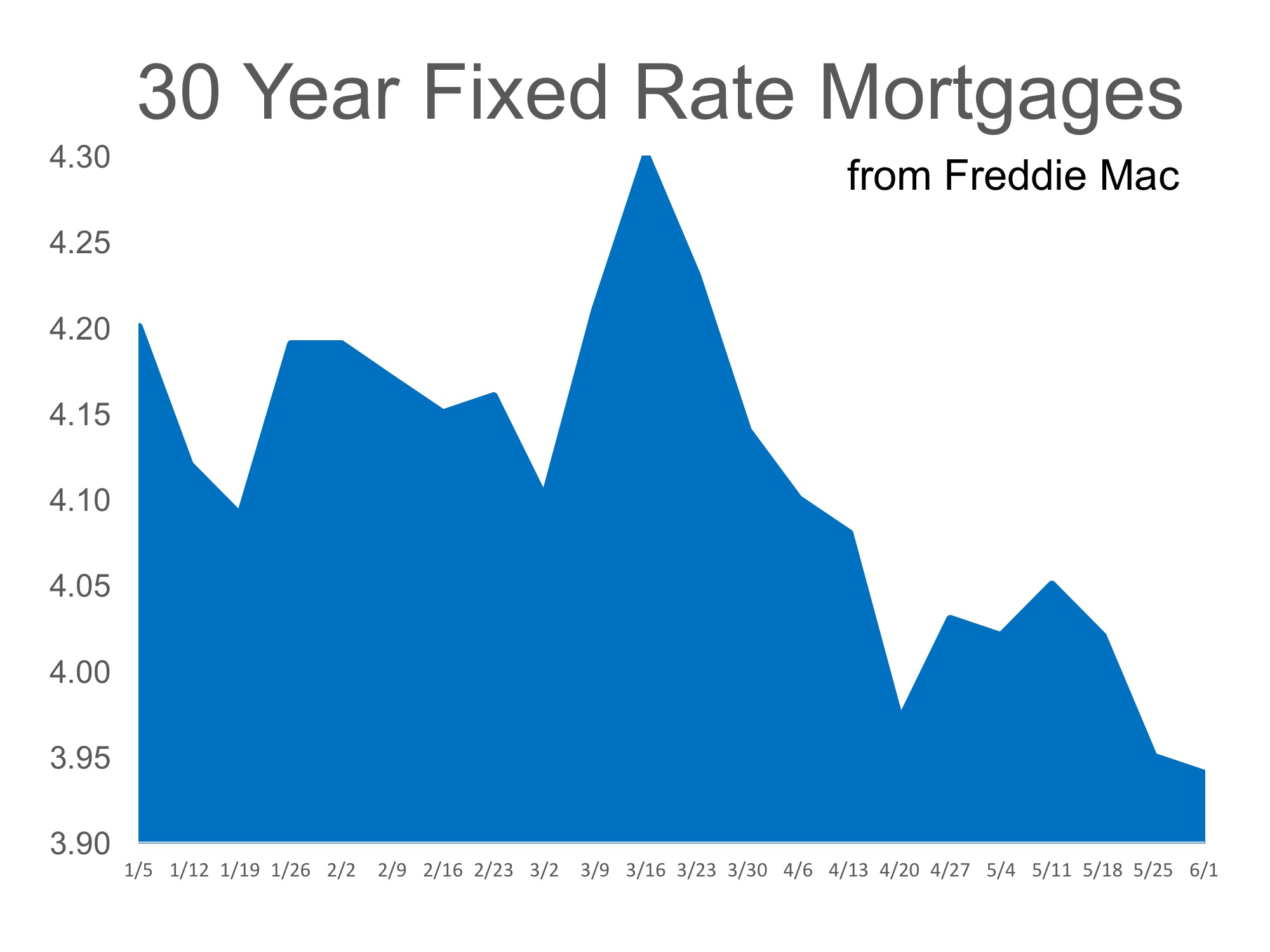
However, the exact opposite has happened. Instead of higher rates as we head into the middle of 2017, we now have the lowest rates of the year (as reported by Freddie Mac). Here is a graph of mortgage rate movement since the beginning of the year:
Mortgage Interest Rates Reverse Course in 2017 | MyKCM

Projections still call for an increase…

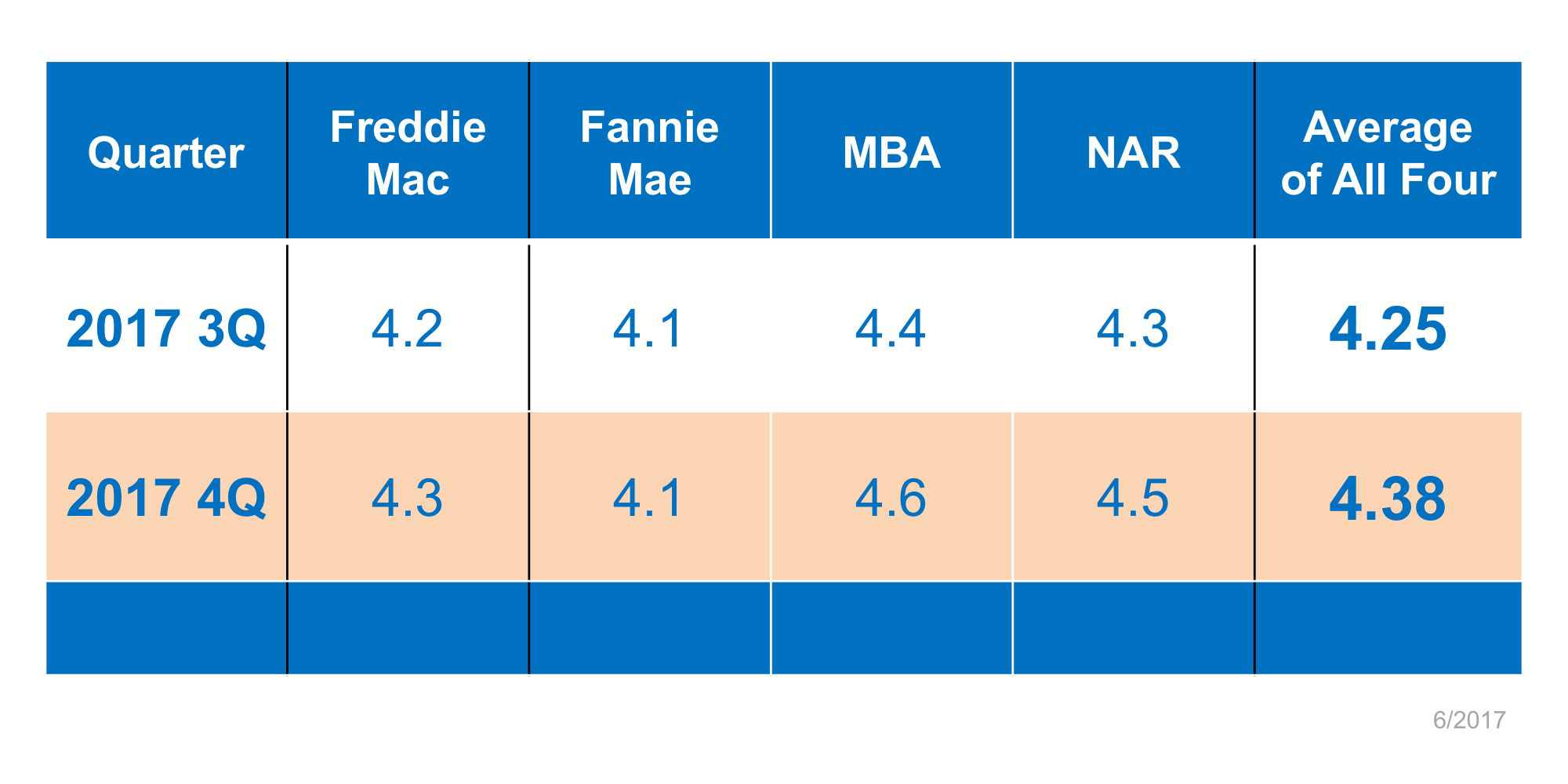
Four major entities (Freddie Mac, Fannie Mae, the Mortgage Bankers Association and the National Association of Realtors) are still projecting that rates will increase by the fourth quarter of the year.

Mortgage Interest Rates Reverse Course in 2017 | MyKCM

Bottom Line

No one knows for sure where interest rates will be in six months. However, if you are thinking about buying your first house or trading up to the home of your dreams, you can still get a mortgage at historically low rates RIGHT NOW.