Showing posts with label home loan. Show all posts

Wednesday, July 25, 2018

Think that you are ready to buy a home? Here are some things you need to know before you start the process...

What You Need to Know About the Mortgage Process
What You Need to Know About the Mortgage Process [INFOGRAPHIC] | MyKCM

Some Highlights:

  • Many buyers are purchasing a home with a down payment as little as 3%.
  • You may already qualify for a loan, even if you don’t have perfect credit.
  • Take advantage of the knowledge of your local professionals who are there to help you determine how much you can afford.

Friday, February 9, 2018

Think you only have to sell your home to A buyer? Guess again....


Homeowners: Your House Must Be Sold TWICE


Homeowners: Your House Must Be Sold TWICE | MyKCM
In today’s housing market, where supply is very low and demand is very high, home values are increasing rapidly. Many experts are projecting that home values could appreciate by another 5%+ over the next twelve months. One major challenge in such a market is the bank appraisal.
If prices are surging, it is difficult for appraisers to find adequate, comparable sales (similar houses in the neighborhood that recently closed) to defend the selling price when performing the appraisal for the bank.
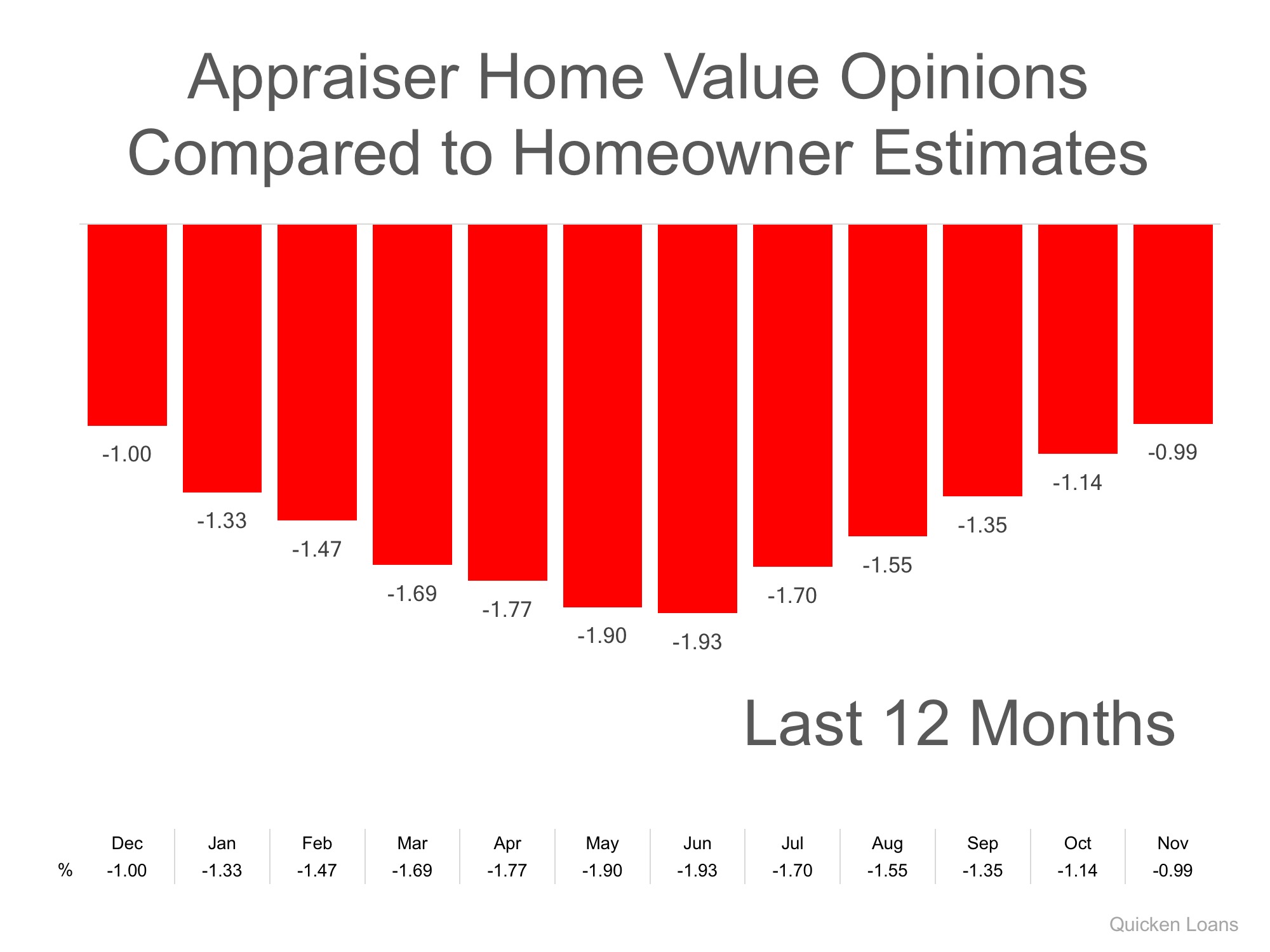
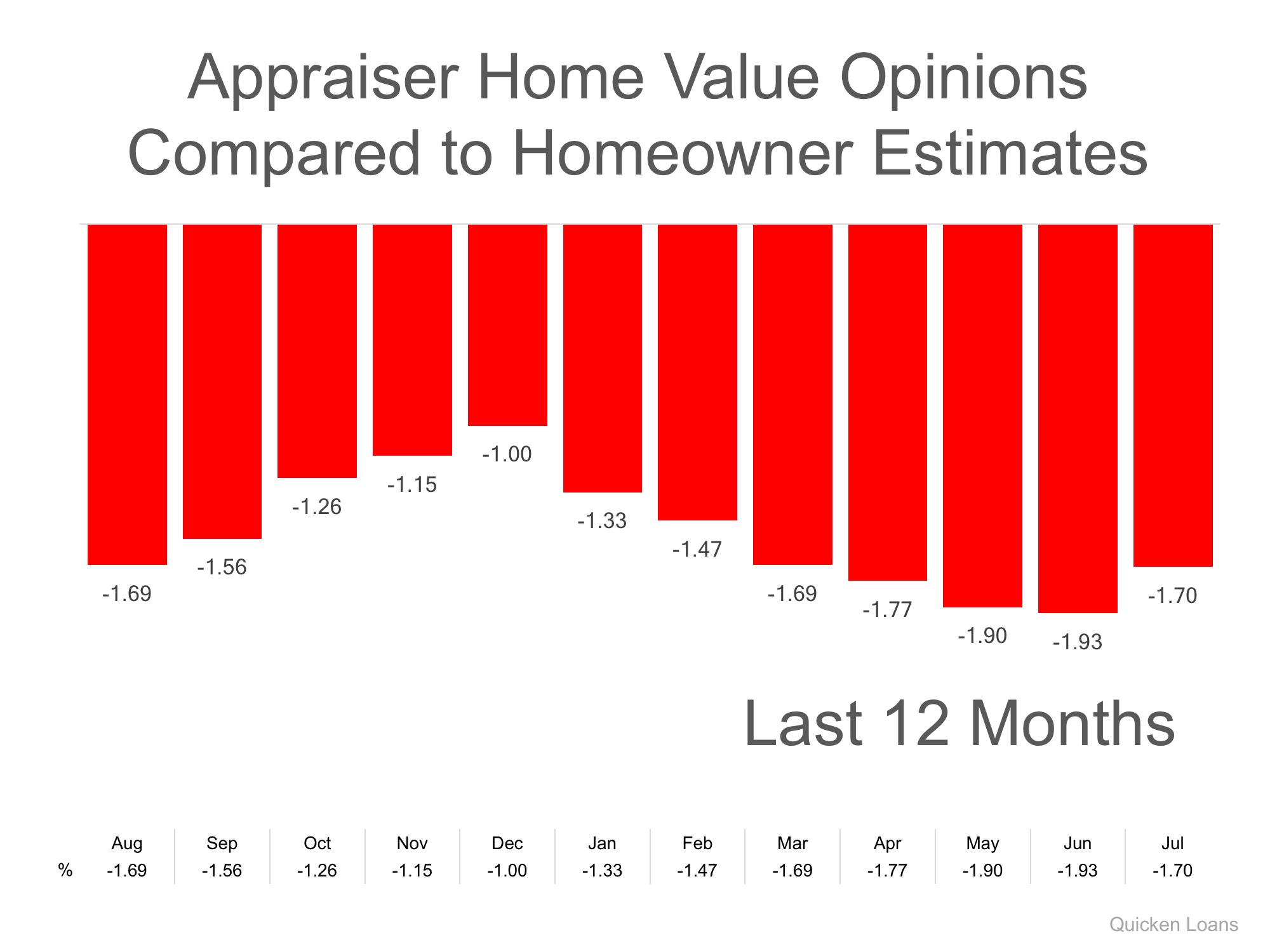
Every month in their Home Price Perception Index (HPPI), Quicken Loans measures the disparity between what a homeowner who is seeking to refinance their home believes their house is worth, and an appraiser’s evaluation of that same home.
Bill Banfield, Executive VP of Capital Markets at Quicken Loans urges anyone looking to buy or sell in today’s market to remember the impact of this challenge:
“Based on the HPPI, it appears homeowners in the markets where prices are rising faster than the national average – like Denver, Seattle and San Francisco – are continuing to underestimate just how quickly home values are rising, so the average appraisal is higher than homeowner estimate.
On the inverse of that, homeowners in areas where the values aren’t rising as fast may think they are rising faster than they are, leading to the appraisal lagging the estimate.”
The chart below illustrates the changes in home price estimates over the last 12 months.
Homeowners: Your House Must Be Sold TWICE | MyKCM

Bottom Line

Every house on the market must be sold twice; once to a prospective buyer and then to the bank (through the bank’s appraisal). With escalating prices, the second sale might be even more difficult than the first. If you are planning on entering the housing market this year, let’s get together to discuss this and any other obstacles that may arise.

Monday, January 8, 2018

It is easier to get a mortgage now, than it was a year ago. But that doesn't mean that we are headed for trouble...

Bubble Alert! Is it Getting Too Easy to Get a Mortgage?

Bubble Alert! Is it Getting Too Easy to Get a Mortgage? | MyKCM
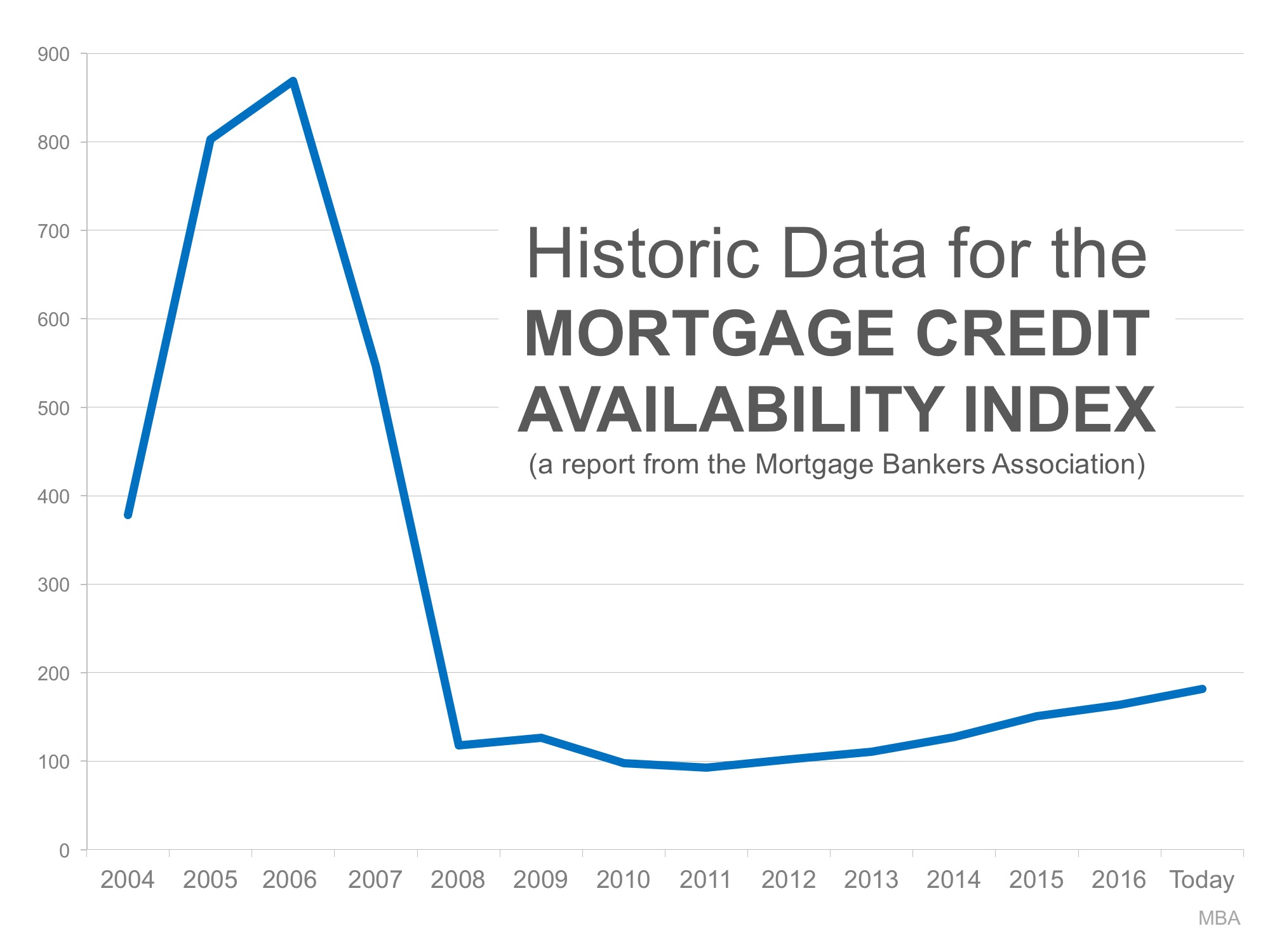
There is little doubt that it is easier to get a home mortgage today than it was last year. The Mortgage Credit Availability Index (MCAI), published by the Mortgage Bankers Association, shows that mortgage credit has become more available in each of the last several years. In fact, in just the last year:
  • More buyers are putting less than 20% down to purchase a home
  • The average credit score on closed mortgages is lower
  • More low-down-payment programs have been introduced
This has some people worrying that we are returning to the lax lending standards which led to the boom and bust that real estate experienced ten years ago. Let’s alleviate some of that concern.
The graph below shows the MCAI going back to the boom years of 2004-2005. The higher the graph line, the easier it was to get a mortgage.
As you can see, lending standards were much more lenient from 2004 to 2007. Though it has gradually become easier to get a mortgage since 2011, we are nowhere near the lenient standards during the boom.
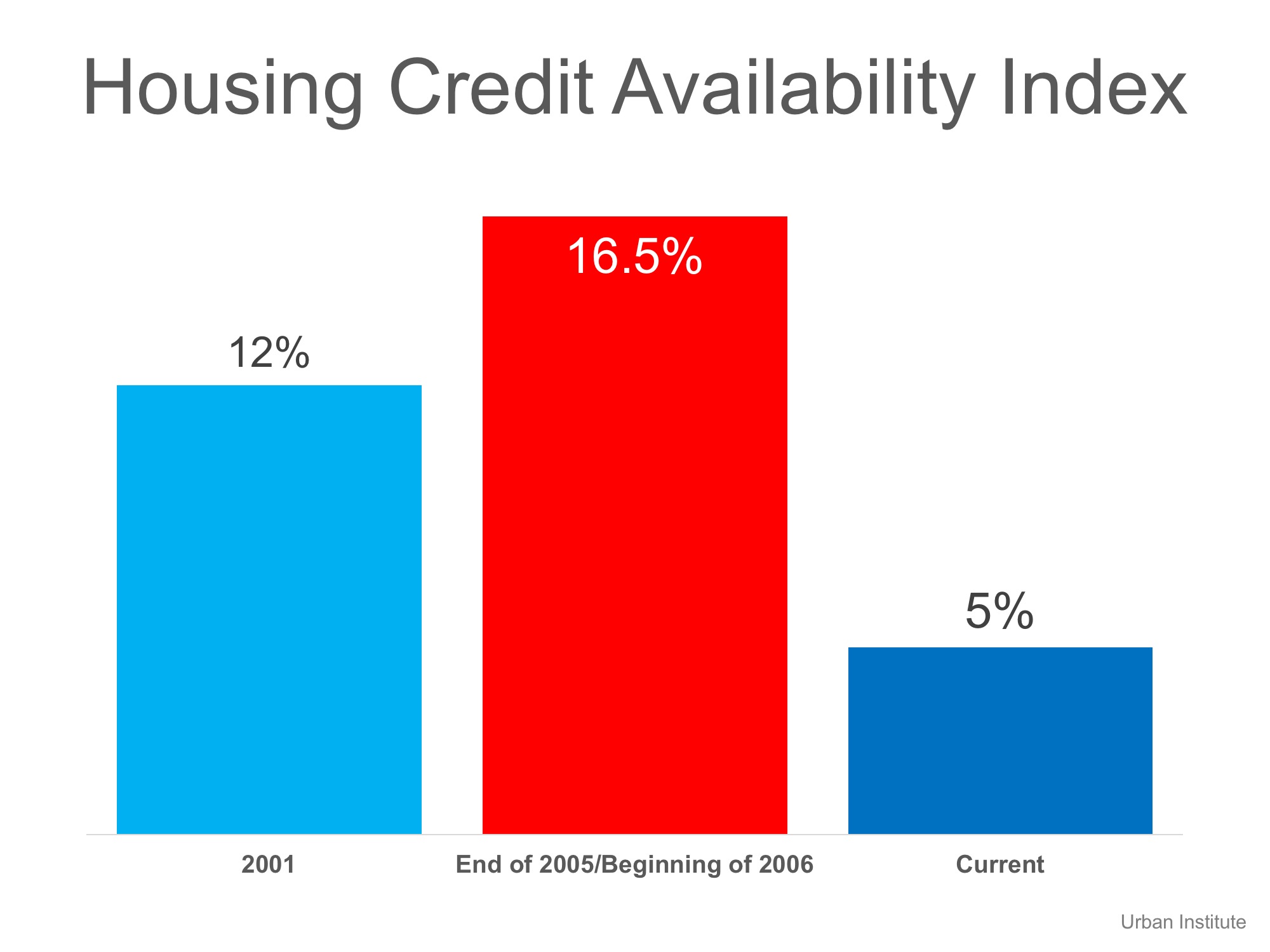
The Urban Institute also publishes a Home Credit Availability Index (HCAI). According to the Institute, the HCAI:
“Measures the percentage of home purchase loans that are likely to default—that is, go unpaid for more than 90 days past their due date. A lower HCAI indicates that lenders are unwilling to tolerate defaults and are imposing tighter lending standards, making it harder to get a loan. A higher HCAI indicates … it is easier to get a loan.”
Here is a graph showing their findings:
Bubble Alert! Is it Getting Too Easy to Get a Mortgage? | MyKCM
Again, today’s lending standards are nowhere near the levels of the boom years. As a matter of fact, they are more stringent than they were even before the boom.

Bottom Line

It is getting easier to gain financing for a home purchase. However, we are not seeing the irresponsible lending that caused the housing crisis.

Wednesday, January 3, 2018

Historically low interest rates are expected to go up in 2018. Don't put off your purchase much longer!


Mortgage Interest Rates Are Going Up… Should I Wait to Buy?


Mortgage interest rates, as reported by Freddie Mac, have increased over the last several weeksFreddie Mac, along with Fannie Mae, the Mortgage Bankers Association and the National Association of Realtors, is calling for mortgage rates to continue to rise over the next four quarters.
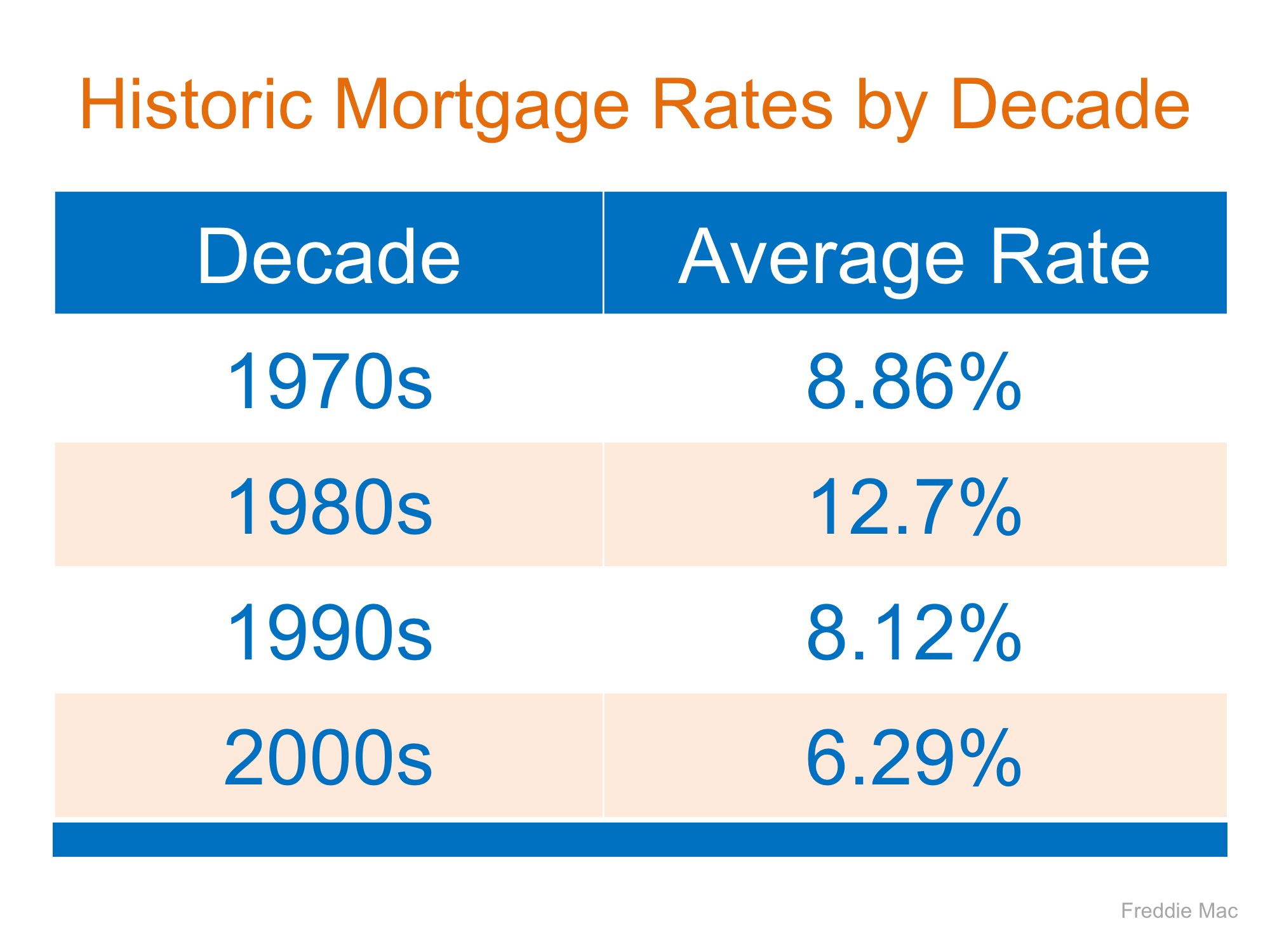
This has caused some purchasers to lament the fact that they may no longer be able to get a rate below 3.5%. However, we must realize that current rates are still at historic lows.
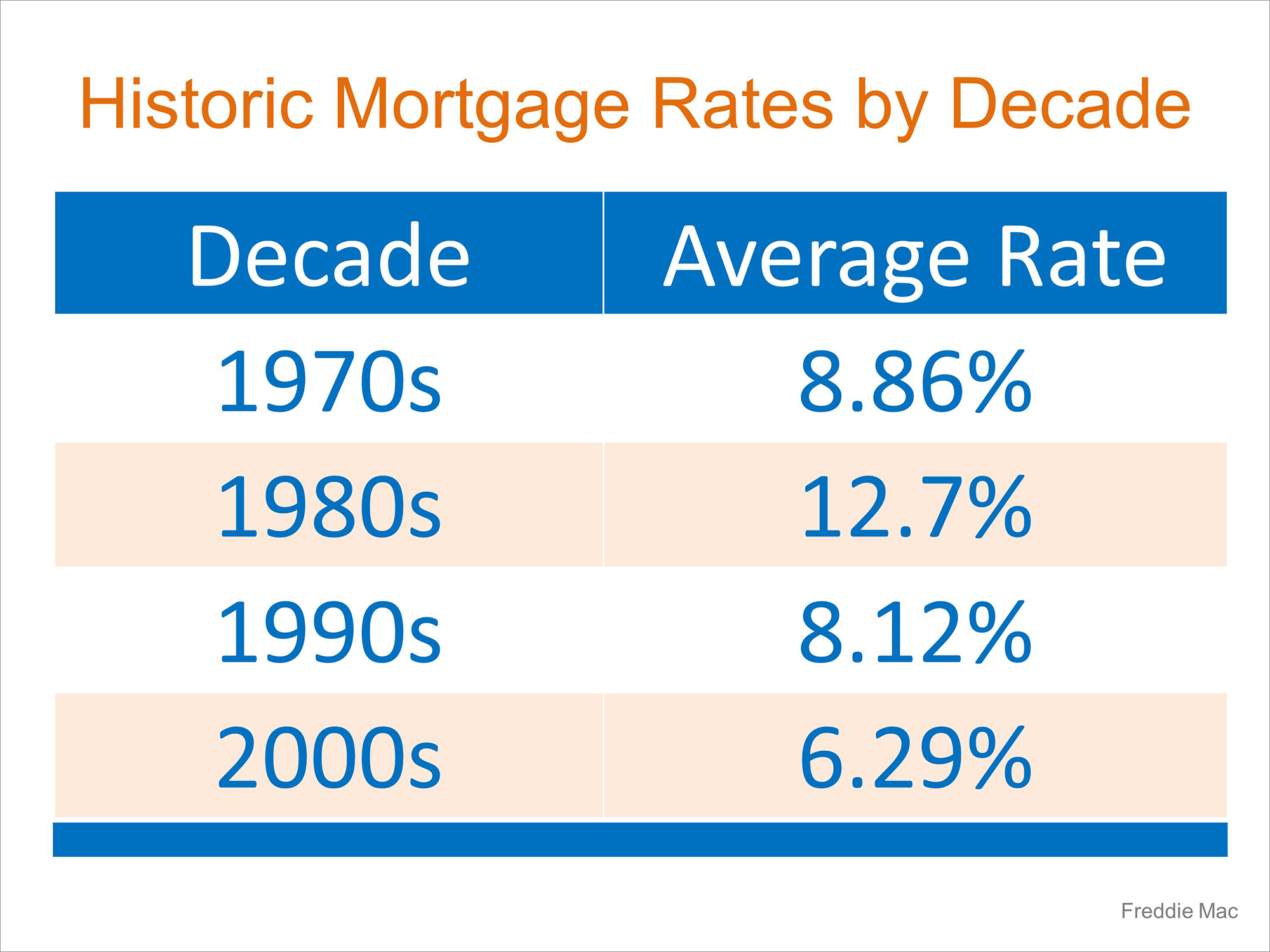
Here is a chart showing the average mortgage interest rate over the last several decades:
Mortgage Interest Rates Are Going Up… Should I Wait to Buy? | MyKCM

Bottom Line

Though you may have missed getting the lowest mortgage rate ever offered, you can still get a better interest rate than your older brother or sister did ten years ago, a lower rate than your parents did twenty years ago, and a better rate than your grandparents did forty years ago.

Monday, November 20, 2017

Financial expert, David Bach, is encouraging Millennials to buy homes now, over renting.


Millionaire to Millennials: Buy a Home Now!


Millionaire to Millennials: Buy a Home Now! | MyKCM
In a CNBC article, self-made millionaire David Bach explained that “the single biggest mistake millennials are making” is not purchasing a home because buying real estate is “an escalator to wealth.”
Bach went on to explain:
“If millennials don’t buy a home, their chances of actually having any wealth in this country are little to none. The average homeowner to this day is 38 times wealthier than a renter.”
In his bestselling book, “The Automatic Millionaire,” Bach does the math:
“As a renter, you can easily spend half a million dollars or more on rent over the years ($1,500 a month for 30 years comes to $540,000), and in the end wind up just where you started — owning nothing. Or you can buy a house and spend the same amount paying down a mortgage, and in the end wind up owning your own home free and clear!”

Who is David Bach?

Bach is a self-made millionaire who has written nine consecutive New York Times bestsellers. His book, “The Automatic Millionaire,” spent 31 weeks on the New York Times bestseller list. He is one of the only business authors in history to have four books simultaneously on the New York Times, Wall Street Journal, BusinessWeek and USA Today bestseller lists.
He has been a contributor to NBC’s Today Show, appearing more than 100 times, as well as a regular on ABC, CBS, Fox, CNBC, CNN, Yahoo, The View, and PBS. He has also been profiled in many major publications, including the New York Times, BusinessWeek, USA Today, People, Reader’s Digest, Time, Financial TimesWashington Post, the Wall Street Journal, Working Woman, Glamour, Family Circle, Redbook, Huffington Post, Business Insider, Investors’ Business Daily, and Forbes.

Bottom Line

Whenever a well-respected millionaire gives investment advice, people usually clamor to hear it. This millionaire gave simple advice – if you don’t yet live in your own home, go buy one.

Thursday, November 2, 2017

Buying a home isn't free. Closing costs are often forgotten, or overlooked, by buyers and can lead to trouble at the closing table. Knowing the average closing cost in your area can help you be more prepared.

More Than Half of All Buyers Are Surprised by Closing Costs

More Than Half of All Buyers Are Surprised by Closing Costs | MyKCM
According to a survey conducted by ClosingCorp, over half of all homebuyers are surprised by the closing costs required to obtain their mortgage.
After surveying 1,000 first-time and repeat homebuyers, the results revealed that 17% of homebuyers were surprised that closing costs were required at all, while another 35% were stunned by how much higher the fees were than expected.
“Homebuyers reported being most surprised by mortgage insurance, followed by bank fees and points, taxes, title insurance and appraisal fees.”
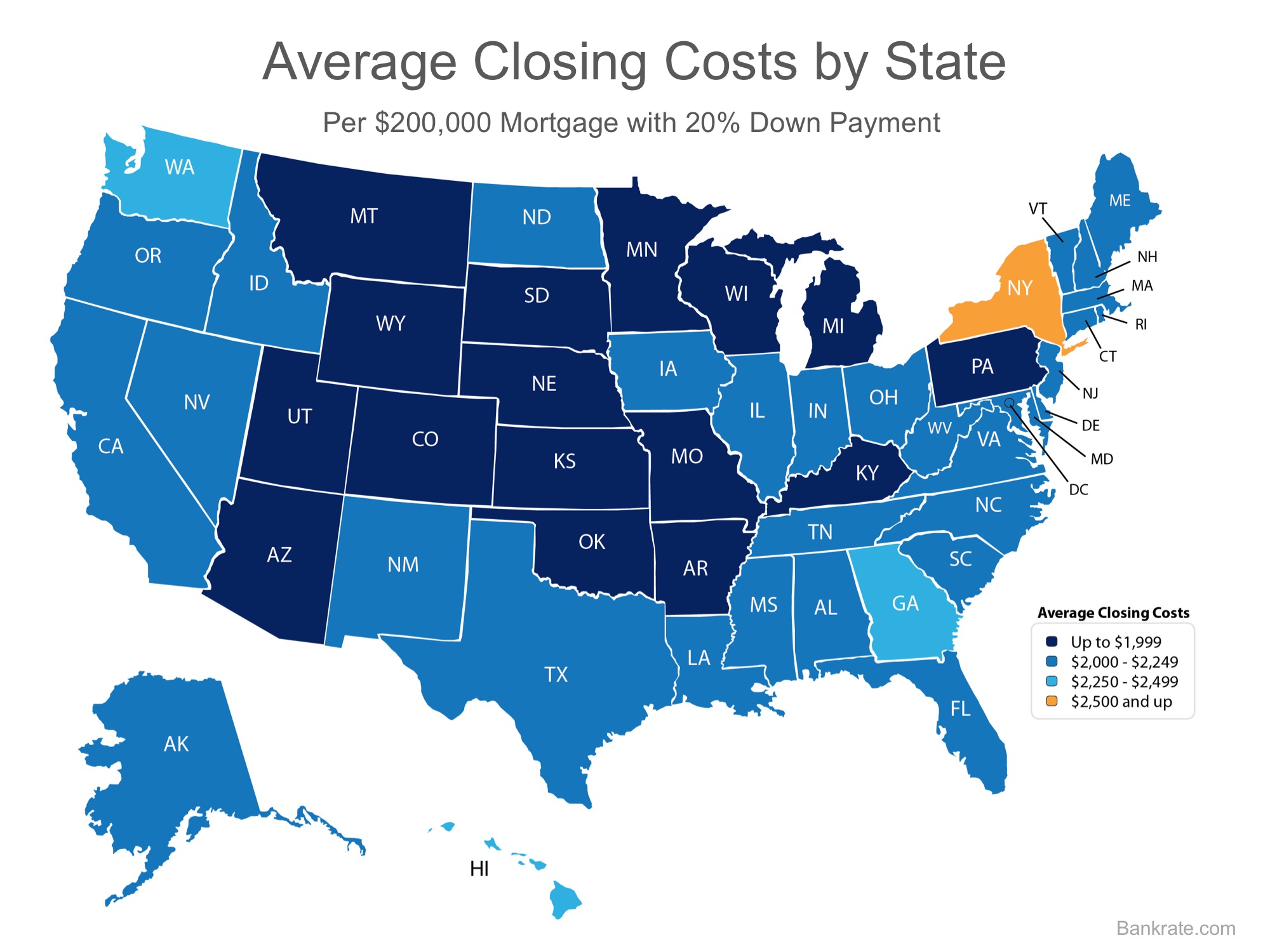
Bankrate.com gathered closing cost data from lenders in every state and Washington, D.C. in order to share the average costs in each state. The map below was created using the closing costs on a $200,000 mortgage with a 20% down payment.
More Than Half of All Buyers Are Surprised by Closing Costs | MyKCM
Keep in mind that if you are in the market for a home above this price range, your costs could be significantly greater. According to Freddie Mac,
“Closing costs are typically between 2 and 5% of your purchase price.”

Bottom Line

Speak with your lender and agent early and often to determine how much you’ll be responsible for at closing. Finding out that you’ll need to come up with thousands of dollars right before closing is not a surprise anyone is ever looking forward to.

Tuesday, October 31, 2017

Buying a home? Don't be spooked by doing it on your own...

Buying a Home Can Be Scary... Unless You Know the Facts [INFOGRAPHIC]

Buying a Home Can Be Scary... Unless You Know the Facts [INFOGRAPHIC] | MyKCM

Some Highlights:

Many potential homebuyers believe that they need a 20% down payment and a 780 FICO® score to qualify to buy a home, which stops many of them from even trying! Here are some facts:
  • 40% of millennials who purchased homes this year have put down less than 10%.
  • 76.4% of loan applications were approved last month.
  • The average credit score of approved loans was 724 in September.

Thursday, July 27, 2017

More than 70% of first time home buyers put down less than 20% this spring. Looking to buy? Don't get caught up in these myths...

Home Buying Myths Slayed [INFOGRAPHIC]

Home Buying Myths Slayed [INFOGRAPHIC] | MyKCM

Some Highlights:

  • Interest rates are still below historic numbers.
  • 88% of property managers raised their rent in the last 12 months!
  • The credit score requirements for mortgage approval continue to fall.

Monday, July 24, 2017

If your buyer is securing a mortgage, your home has to be sold twice...

Homeowners: Your Home Must Be Sold TWICE

Homeowners: Your Home Must Be Sold TWICE | MyKCM
In today’s housing market, where supply is very low and demand is very high, home values are increasing rapidly. Many experts are projecting that home values could appreciate by another 5%+ over the next twelve months. One major challenge in such a market is the bank appraisal.
If prices are surging, it is difficult for appraisers to find adequate, comparable sales (similar houses in the neighborhood that recently closed) to defend the selling price when performing the appraisal for the bank.
Every month in their Home Price Perception Index (HPPI), Quicken Loans measures the disparity between what a homeowner who is seeking to refinance their home believes their house is worth, as compared to an appraiser’s evaluation of that same home.
Bill Banfield, VP of Capital Markets at Quicken Loans urges anyone looking to buy or sell in today’s market to remember the impact of this challenge: 
“While a 1 or 2 percent difference in home value opinions may not seem like a lot, it could be enough to derail a mortgage.
A homeowner [or a buyer] could be forced to bring more cash to closing in order to make a mortgage work if the appraisal is lower than expected. On the other hand, if an appraisal comes in higher, they could be surprised with more equity than they had planned. Either way, if owners are aware of their local markets it will lead to smoother mortgage transactions.”
The chart below illustrates the changes in home price estimates over the last 12 months.
Homeowners: Your Home Must Be Sold TWICE | MyKCM

Bottom Line

Every house on the market has to be sold twice; once to a prospective buyer and then to the bank (through the bank’s appraisal). With escalating prices, the second sale might be even more difficult than the first. If you are planning on entering the housing market this year, let’s get together to discuss this and any other obstacle that may arise.

Monday, July 17, 2017

Current interest rates are a quarter of what they were in the 80's.

Be Thankful You Don’t Have to Pay Mom and Dad’s Interest Rate

Be Thankful You Don’t Have to Pay Mom and Dad’s Interest Rate | MyKCM
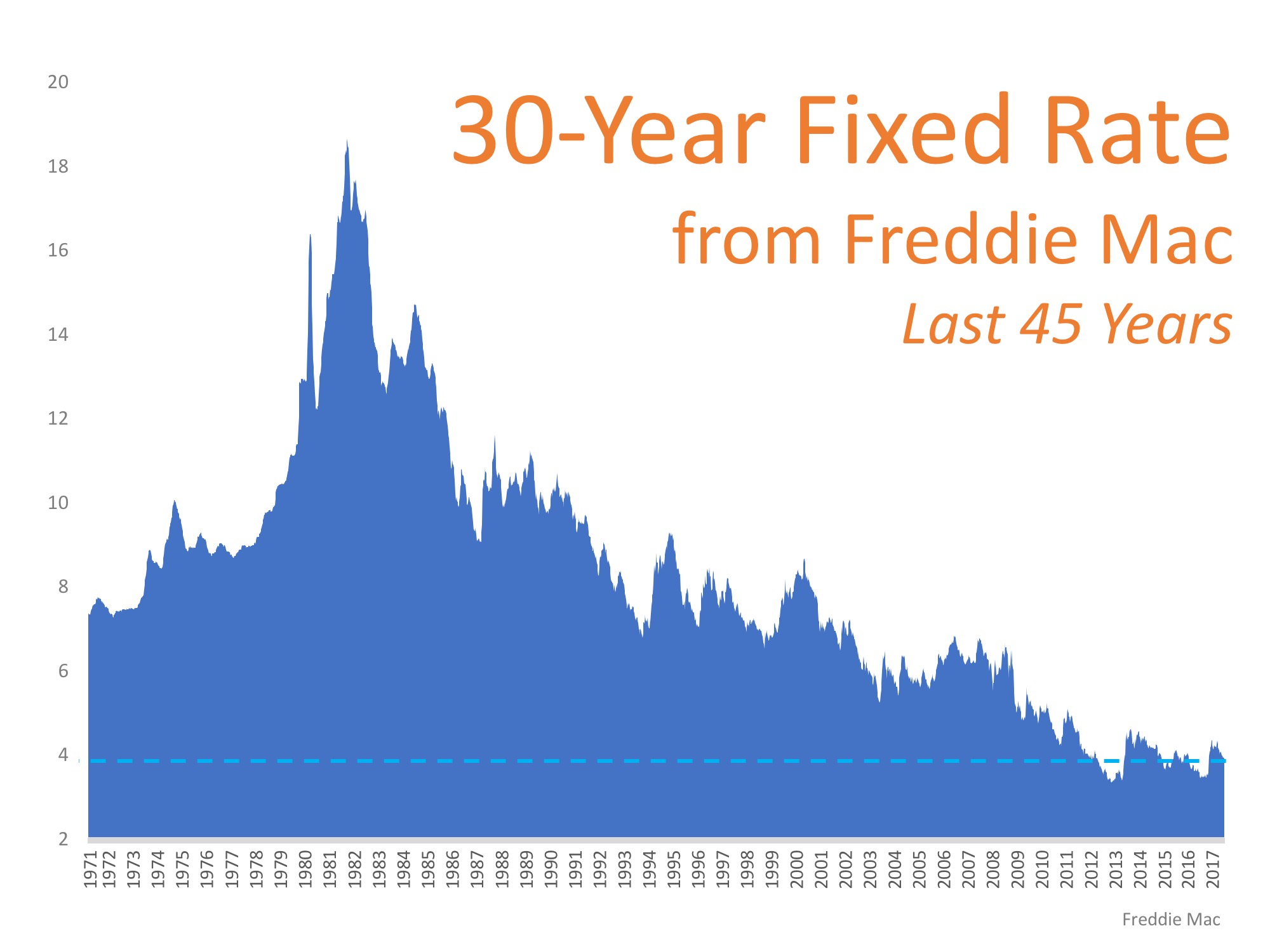
Interest rates have hovered around 4% for the majority of 2017, which has given many buyers relief from rising home prices and has helped with affordability. Experts predict that rates will increase by the end of 2017 and will be about three-quarters of a percentage point higher, at 4.5%, by the end of 2018.
Last week’s Freddie Mac Primary Mortgage Market Survey revealed that interest rates for a 30-year fixed rate mortgage have fallen to their lowest mark this year, at 3.88%. This is great news for homebuyers looking to purchase and homeowners looking to refinance.
The rate you secure greatly impacts your monthly mortgage payment and the amount you will ultimately pay for your home.
Let’s take a look at a historical view of interest rates over the last 45 years.
Be Thankful You Don’t Have to Pay Mom and Dad’s Interest Rate | MyKCM

Bottom Line

Be thankful that you can still get a better interest rate than your older brother or sister did ten years ago, a lower rate than your parents did twenty years ago, and a better rate than your grandparents did forty years ago.

Friday, July 14, 2017

Don't even walk through a house until you have been pre-approved for a mortgage...

Pre-Approval Should Always Be Your First Step

Pre-Approval Should Always Be Your First Step | MyKCM
In many markets across the country, the number of buyers searching for their dream homes greatly outnumbers the amount of homes for sale. This has led to a competitive marketplace where buyers often need to stand out. One way to show you are serious about buying your dream home is to get pre-qualified or pre-approved for a mortgage before starting your search.
Even if you are in a market that is not as competitive, knowing your budget will give you the confidence of knowing if your dream home is within your reach.
Freddie Mac lays out the advantages of pre-approval in the My Home section of their website:
“It’s highly recommended that you work with your lender to get pre-approved before you begin house hunting. Pre-approval will tell you how much home you can afford and can help you move faster, and with greater confidence, in competitive markets.”
One of the many advantages of working with a local real estate professional is that many have relationships with lenders who will be able to help you with this process. Once you have selected a lender, you will need to fill out their loan application and provide them with important information regarding “your credit, debt, work history, down payment and residential history.” 
Freddie Mac describes the 4 Cs that help determine the amount you will be qualified to borrow:
  1. Capacity: Your current and future ability to make your payments
  2. Capital or cash reserves: The money, savings, and investments you have that can be sold quickly for cash
  3. Collateral: The home, or type of home, that you would like to purchase
  4. Credit: Your history of paying bills and other debts on time
Getting pre-approved is one of many steps that will show home sellers that you are serious about buying, and it often helps speed up the process once your offer has been accepted.

Bottom Line

Many potential home buyers overestimate the down payment and credit scores needed to qualify for a mortgage today. If you are ready and willing to buy, you may be pleasantly surprised at your ability to do so as well.

Wednesday, June 21, 2017

Did you know that you can buy a home without having 20% to put down?

69% of Buyers are Wrong About Down Payment Needs

69% of Buyers are Wrong About Down Payment Needs | MyKCM
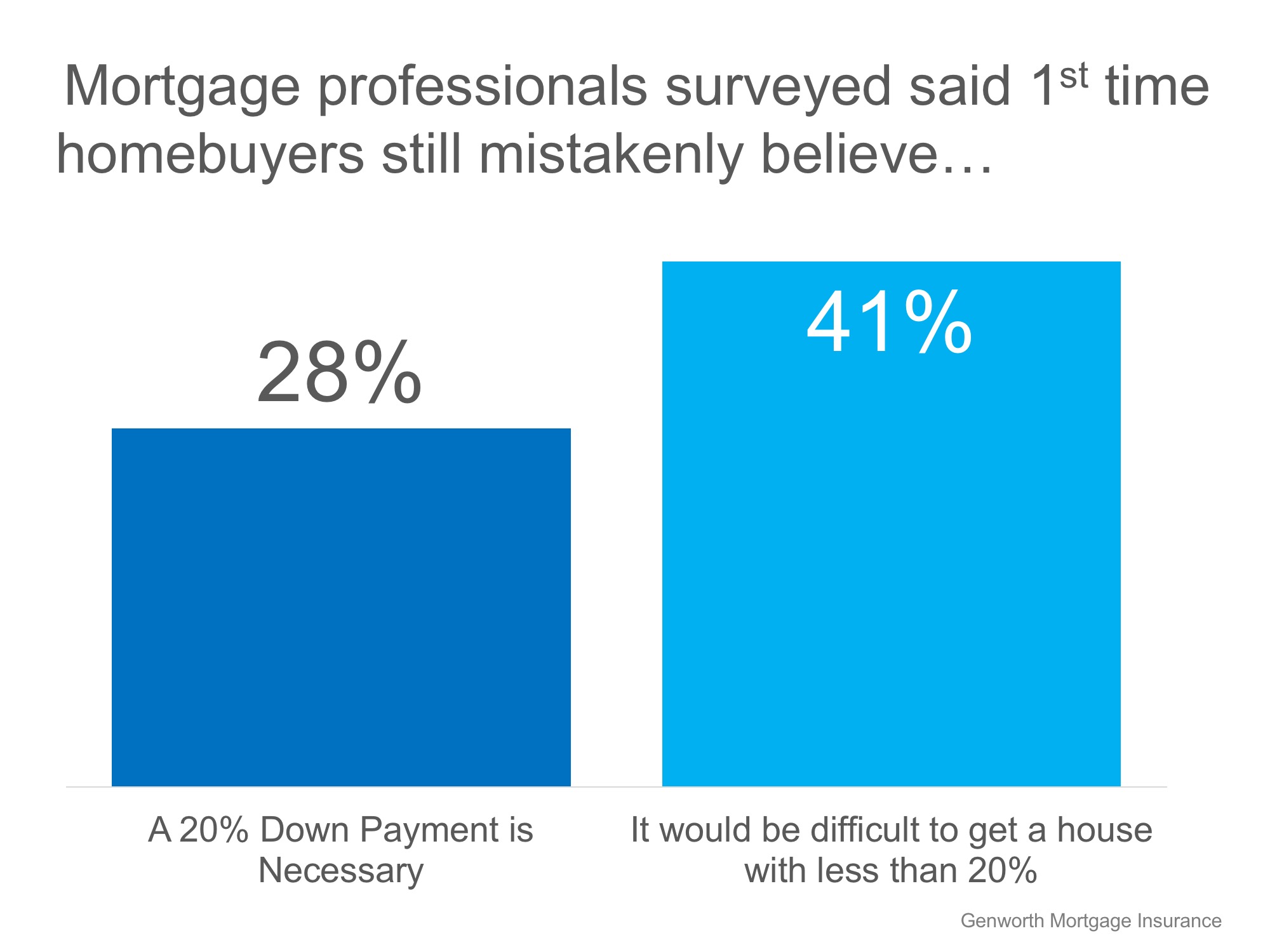
According to a recent survey conducted by Genworth Financial Inc. at the Annual Mortgage Bankers’ Association Secondary Market Conference, mortgage professionals say that first-time buyers still believe a 20% down payment is necessary to buy in today’s market.
Nearly 40% of mortgage industry professionals surveyed believe that a lack of knowledge about the home-buying process is keeping potential buyers on the sidelines. Saving for a down payment is often cited as a huge barrier for first-time homebuyers to make the leap into homeownership.
If homeowners believe that they need a 20% down payment to enter the market, they also believe that they will have to wait years (in some markets) to come up with the necessary funds to buy their dream homes.
The greatest source of confusion cited in the survey results centered around down payments. The results are broken down in the chart below:
69% of Buyers are Wrong About Down Payment Needs | MyKCM
Rohit Gupta, CEO of Genworth Mortgage Insurance had this to say,
"While first-time homebuyers continue to drive the purchase market, we believe many are staying on the sidelines due to the misconception that a 20 percent down payment is required to secure a mortgage.
There are various low down payment options available today that allow prospective homebuyers to reach their dreams of homeownership sooner. It is crucial that, as an industry, we proactively educate eligible borrowers about solutions that will enable them to buy a home when they're ready."

Bottom Line

Don’t let a lack of understanding of the home-buying process keep you and your family out of the housing market. Let’s get together to discuss your options!

Monday, May 8, 2017

What is PMI? Can you avoid paying it? How can it impact your borrowing power?

Get All the Facts about PMI

Get All the Facts about PMI | MyKCM
When it comes to buying a home, whether it is your first time or your fifth, it is always important to know all the facts. With the large number of mortgage programs available that allow buyers to purchase a home with a down payment below 20%, you can never have too much information about Private Mortgage Insurance (PMI).

What is PMI?

Freddie Mac defines PMI as:
“An insurance policy that protects the lender if you are unable to pay your mortgage. It's a monthly fee, rolled into your mortgage payment, that is required for all conforming, conventional loans that have down payments less than 20%.
Once you've built equity of 20% in your home, you can cancel your PMI and remove that expense from your mortgage payment.”
As the borrower, you pay the monthly premiums for the insurance policy, and the lender is the beneficiary. Freddie Mac goes on to explain that:
“The cost of PMI varies based on your loan-to-value ratio – the amount you owe on your mortgage compared to its value – and credit score, but you can expect to pay between $30 and $70 per month for every $100,000 borrowed.” 
According to the National Association of Realtors, the average down payment for all buyers last year was 10%. For first-time buyers, that number dropped to 6%, while repeat buyers put down 14% (no doubt aided by the sale of their home). This just goes to show that for a large number of buyers last year, PMI did not stop them from buying their dream homes.
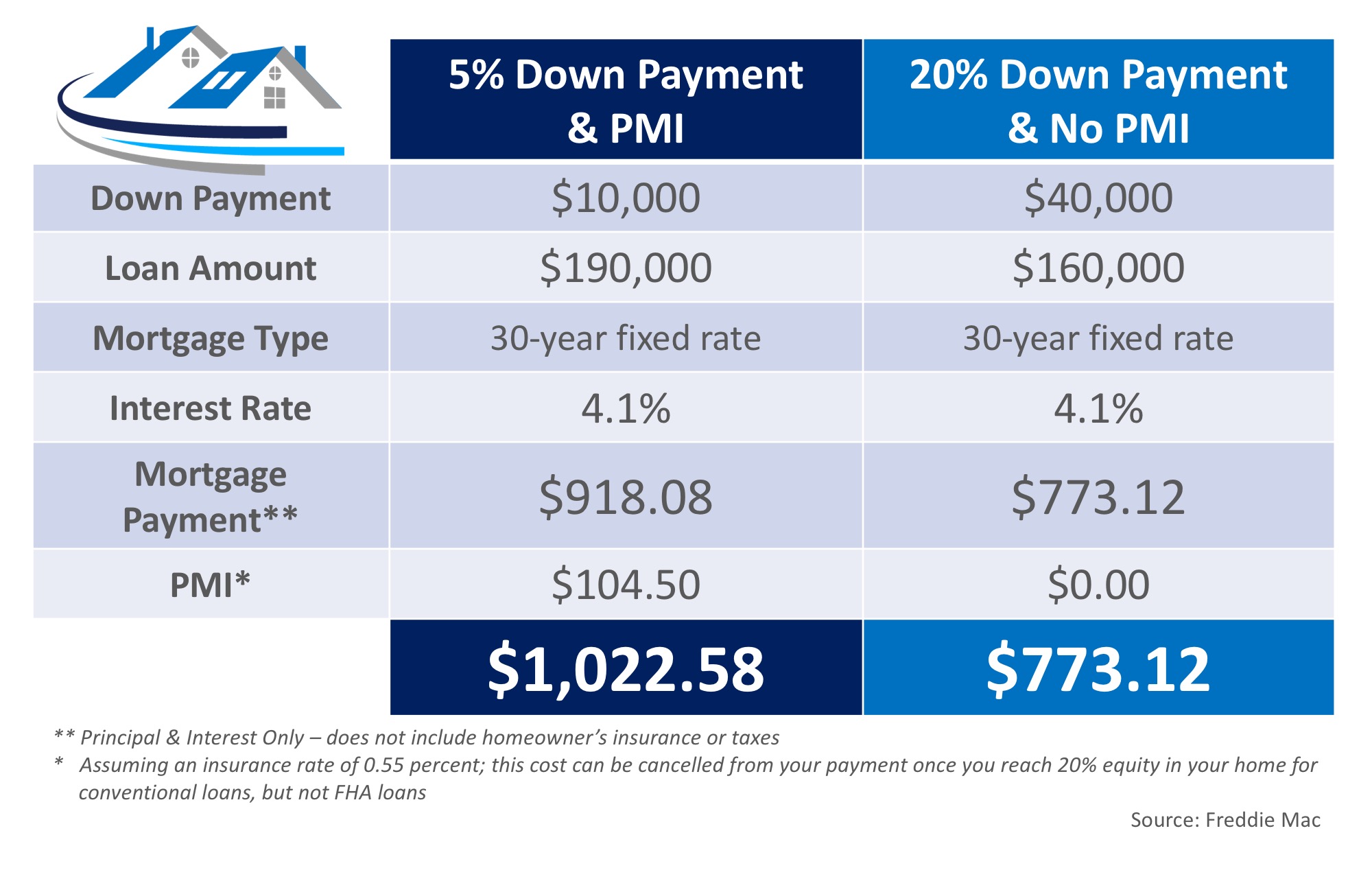
Here’s an example of the cost of a mortgage on a $200,000 home with a 5% down payment & PMI, compared to a 20% down payment without PMI:
Get All the Facts about PMI | MyKCM

The larger the down payment you can make, the lower your monthly housing cost will be, but Freddie Mac urges you to remember:
“It's no doubt an added cost, but it's enabling you to buy now and begin building equity versus waiting 5 to 10 years to build enough savings for a 20% down payment.”

Bottom Line

If you have questions about whether you should buy now or wait until you’ve saved a larger down payment, let’s get together to discuss our market’s conditions and to help you make the best decision for you and your family.

Thursday, May 4, 2017

What are you going to do with your tax refund?

Your Tax Return: Bring it Home

Your Tax Return: Bring it Home | MyKCM
This time of year, many people eagerly check their mailboxes looking for their tax return check from the IRS. But, what do most people plan to do with the money? GO Banking Rates recently surveyed Americans and asked the question - “What do you plan on doing with your tax refund?”
The results of the survey were interesting. Here is what they plan to do with their money:
  • 41% - Put it into savings
  • 38% - Pay off debt
  • 11% - Go on a vacation
  • 5% - Make a major purchase (car, home, etc.)
  • 5% - Splurge on a purchase
Upon seeing the research, The National Association of Realtors (NAR) wondered if this could help with a constant challenge cited by many people who wish to purchase a home – saving for the down payment.
In a recent post in NAR’s Economists’ Outlook Blog, they explained:
“With a sizable tax refund, the average American would have a decent down payment depending on which region or market you live in.”
They went on to add:
“[A]pproximately 5 percent of all respondents indicated they would make a major purchase which does not seem like a lot. However, there is a bigger group 41 percent who see saving the tax return is best and that group could be potential homebuyers if they are not already.”
In other words, putting that money toward purchasing a home is a form of savings.

Bottom Line

When one considers that first-time home buyers in 2016 had an average down payment of 6%, a decent tax return could go a long way toward the necessary funds needed for a down payment on a house. Or perhaps, the down payment needed by a son or daughter to make their homeownership dream a reality. How are you going to spend your return?

Wednesday, April 26, 2017

65% of first-time homebuyers put down 6% or less, during the month of January. Low down payment programs are bring Millennials to the closing table. Great news if you are a seller who is looking to upgrade!

Millennials Flock to Low Down Payment Programs

Millennials Flock to Low Down Payment Programs | MyKCM
A recent report released by Down Payment Resource shows that 65% of first-time homebuyers purchased their homes with a down payment of 6% or less in the month of January.
The trend continued through all buyers with a mortgage, as 62% made a down payment of less than 20%, which is consistent with findings from December.
An article by DS News points to the new wave of millennial homebuyers:
“It seems that the long-awaited influx of millennial home buyers is beginning. Ellie Mae reported that mortgages to millennial borrowers for new home purchases continued their ascent in January, accounting for 84 percent of closed loans.”
Among millennials who purchased homes in January, FHA loans remained popular, making up 35% of all loans closed. Ellie Mae’s Executive Vice President of Corporate Strategy Joe Tyrrell gave some insight into why:
“It is not surprising to see Millennial borrowers leverage FHA loans because they typically offer lower down payments and lower average FICO score requirements than conventional loans. Across the board, we're continuing to see strong interest in homeownership from this younger generation.”

Bottom Line

If you are one of the many millennials who is debating a home purchase this year, let's get together to help you understand your options and set you on the path to preapproval.

Tuesday, April 18, 2017

Lending regulation have tightened, however down payment options have loosened. You can secure a mortgage with as little as 1% down (0% if you qualify for VA).

Again… You Do Not Need 20% Down to Buy NOW!

Again… You Do Not Need 20% Down to Buy NOW! | MyKCM
A survey by Ipsos found that the American public is still somewhat confused about what is required to qualify for a home mortgage loan in today’s housing market. There are two major misconceptions that we want to address today.

1. Down Payment

The survey revealed that consumers overestimate the down payment funds needed to qualify for a home loan. According to the report, 40% of consumers think a 20% down payment is always required. In actuality, there are many loans written with a down payment of 3% or less.
Many renters may actually be able to enter the housing market sooner than they ever imagined with new programs that have emerged allowing less cash out of pocket.

2. FICO® Scores 

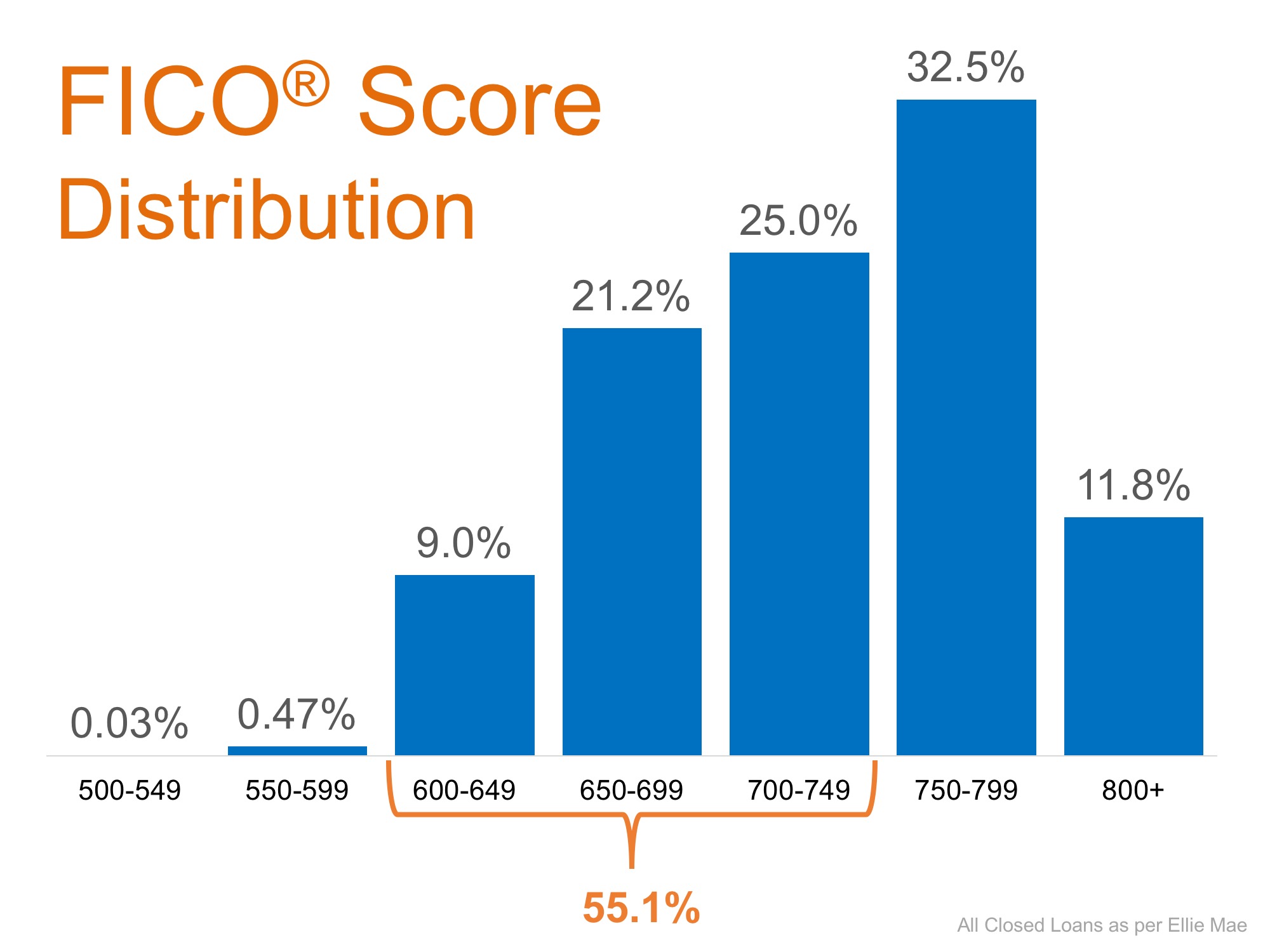
The survey also revealed that 62% of respondents believe they need excellent credit to buy a home, with 43% thinking a “good credit score” is over 780. In actuality, the average FICO® scores of approved conventional and FHA mortgages are much lower.
The average conventional loan closed in February had a credit score of 752, while FHA mortgages closed with a score of 686. The average across all loans closed in February was 720. The chart below shows the distribution of FICO® Scores for all loans approved in February.
Again… You Do Not Need 20% Down to Buy NOW! | MyKCM

Bottom Line

If you are a prospective buyer who is ‘ready’ and ‘willing’ to act now, but are not sure if you are ‘able’ to, let’s sit down to help you understand your true options.

Tuesday, April 4, 2017

Housing inventory remains low, especially in starter & move-up markets. Buyers continue to snatch up the good homes, and a slight seller market is appearing in select areas.

A Tale of Two Markets: Inventory Mismatch Paints a More Detailed Picture

A Tale of Two Markets: Inventory Mismatch Paints a More Detailed Picture | MyKCM
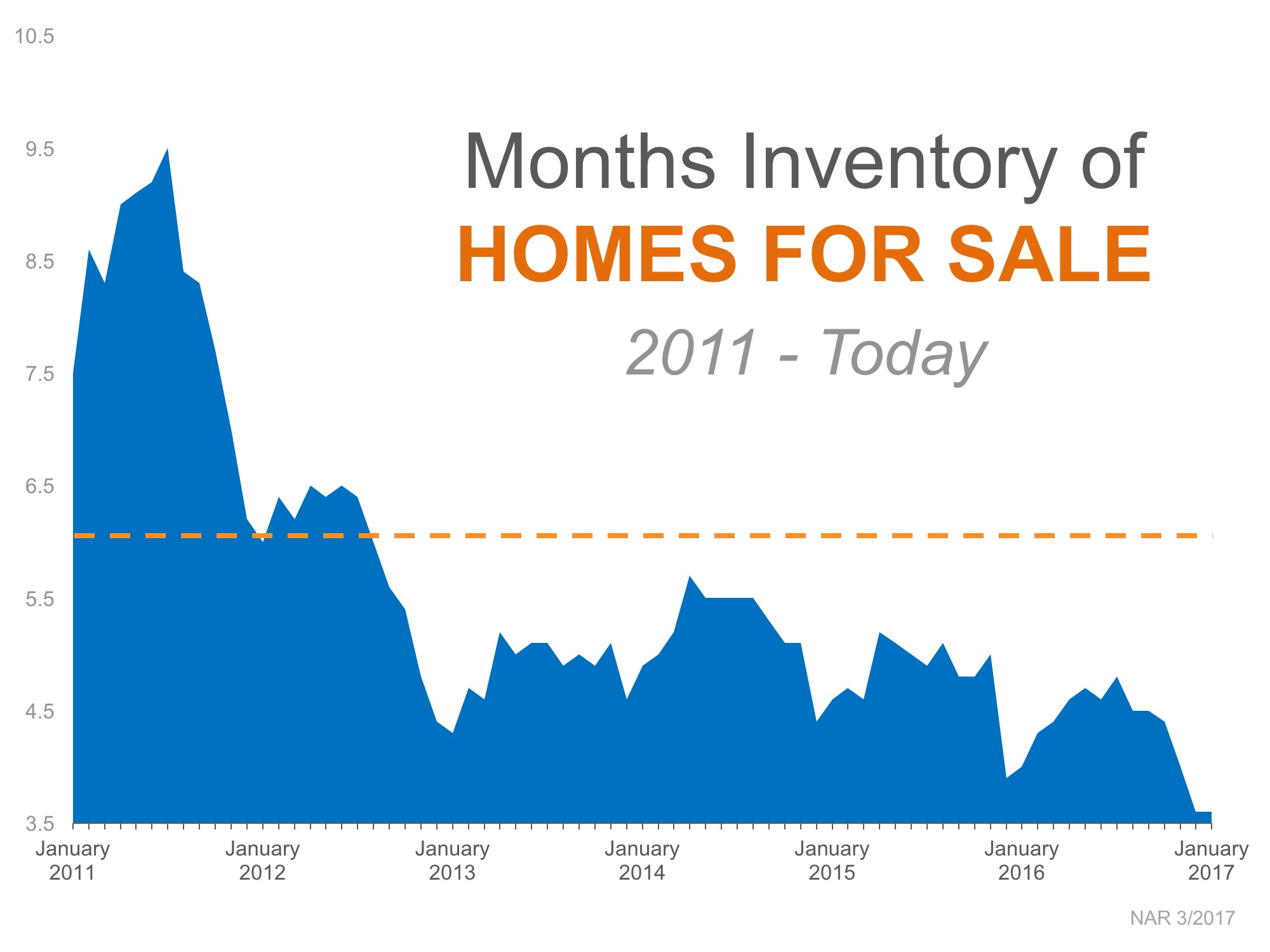
The inventory of existing homes for sale in today’s market was recently reported to be at a 3.6-month supply according to the National Association of Realtors latest Existing Home Sales Report. Inventory is now 7.1% lower than this time last year, marking the 20th consecutive month of year-over-year drops.
Historically, inventory must reach a 6-month supply for a normal market where home prices appreciate with inflation. Anything less than a 6-month supply is a sellers’ market, where the demand for houses outpaces supply and prices go up.
As you can see from the chart below, the United States has been in a sellers’ market since August 2012, but last month’s numbers reached a new low.
A Tale of Two Markets: Inventory Mismatch Paints a More Detailed Picture | MyKCM
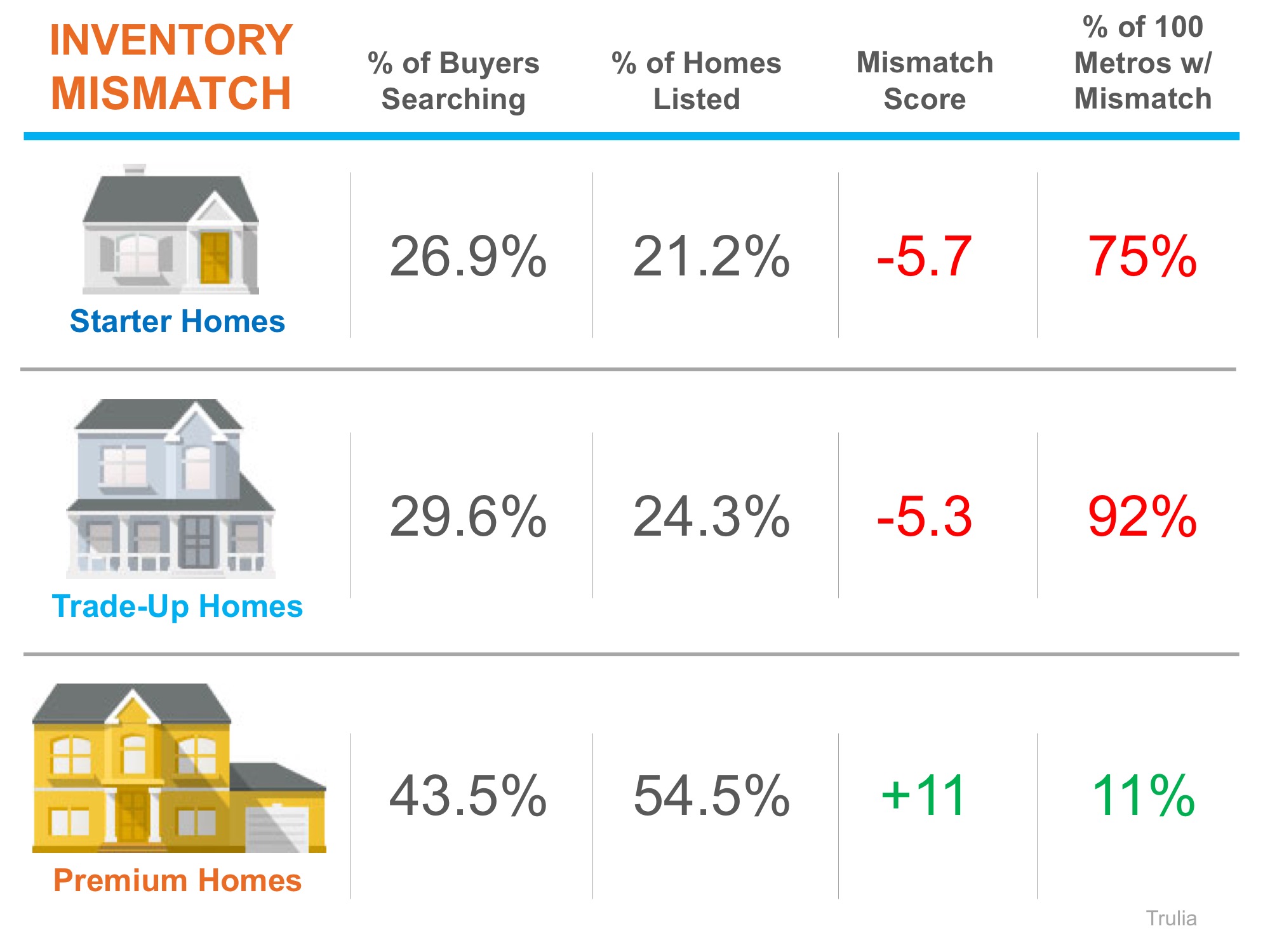
Recently Trulia revealed that not only is there a shortage of homes on the market in general, but the homes that are available for sale are not meeting the needs of the buyers that are searching.
Homes are generally bucketed into three groups by price range: starter, trade-up, and premium.
Trulia’s market mismatch score measures the search interest of buyers against the category of homes that are available on the market. For example: “if 60% of buyers are searching for starter homes but only 40% of listings are starter homes, [the] market mismatch score for starter homes would be 20.”
The results of their latest analysis are detailed in the chart below.
A Tale of Two Markets: Inventory Mismatch Paints a More Detailed Picture | MyKCM
Nationally, buyers are searching for starter and trade-up homes and are coming up short with the listings available, leading to a highly competitive seller’s market in these categories. Ninety-two of the top 100 metros have a shortage in trade-up inventory.
Premium homebuyers have the best chance of less competition and a surplus of listings in their price range with an 11-point surplus, leading to more of a buyer’s market.
“It leaves Americans who are in the market for a home increasingly chasing too fewer options in lower price ranges, and sellers of premium homes more likely to be left waiting longer for a buyer.”
 Lawrence Yun, NAR’s Chief Economist doesn’t see an end to this coming any time soon: 
“Competition is likely to heat up even more heading into the spring for house hunters looking for homes in the lower- and mid-market price range.”

Bottom Line

Real estate is local. If you are thinking about buying OR selling this spring, let’s get together to discuss the exact market conditions in your area.

Monday, April 3, 2017

Interest rates have risen, and are expected to continue to rise. BUT...they are still at a historical low!

Mortgage Interest Rates Went Up Again… Should I Wait to Buy?

https://goo.gl/SupglQ
Mortgage interest rates, as reported by Freddie Mac, have increased over the last several weeks. Freddie Mac, along with Fannie Mae, the Mortgage Bankers Association and the National Association of Realtors, is calling for mortgage rates to continue to rise over the next four quarters.
This has caused some purchasers to lament the fact they may no longer be able to get a rate below 4%. However, we must realize that current rates are still at historic lows.
Here is a chart showing the average mortgage interest rate over the last several decades.
Mortgage Interest Rates Went Up Again… Should I Wait to Buy? | MyKCM

Bottom Line

Though you may have missed getting the lowest mortgage rate ever offered, you can still get a better interest rate than your older brother or sister did ten years ago, a lower rate than your parents did twenty years ago, and a better rate than your grandparents did forty years ago.

Tuesday, March 21, 2017

Analysts expect mortgage rates to rise in 2017, however they say that we need to hit over 5% to have a big impact on the housing market...

Mortgage Rates Impact on 2017 Home Values

Mortgage Rates Impact on 2017 Home Values | MyKCM
There is no doubt that historically low mortgage interest rates were a major impetus to housing recovery over the last several years. However, many industry experts are showing concern about the possible effect that the rising rates will have moving forward.
The Mortgage Bankers Association, Fannie Mae, Freddie Mac and the National Association of Realtors are all projecting that mortgage interest rates will move upward in 2017. Increasing interest rates will definitely impact purchasers and may stifle demand.
In a recent study of industry experts, “rising mortgage interest rates, and their impact on mortgage affordability” was named by 56% as the force they think will have the most significant impact on U.S. housing in 2017. If rising rates slow demand for housing, home values will be impacted.
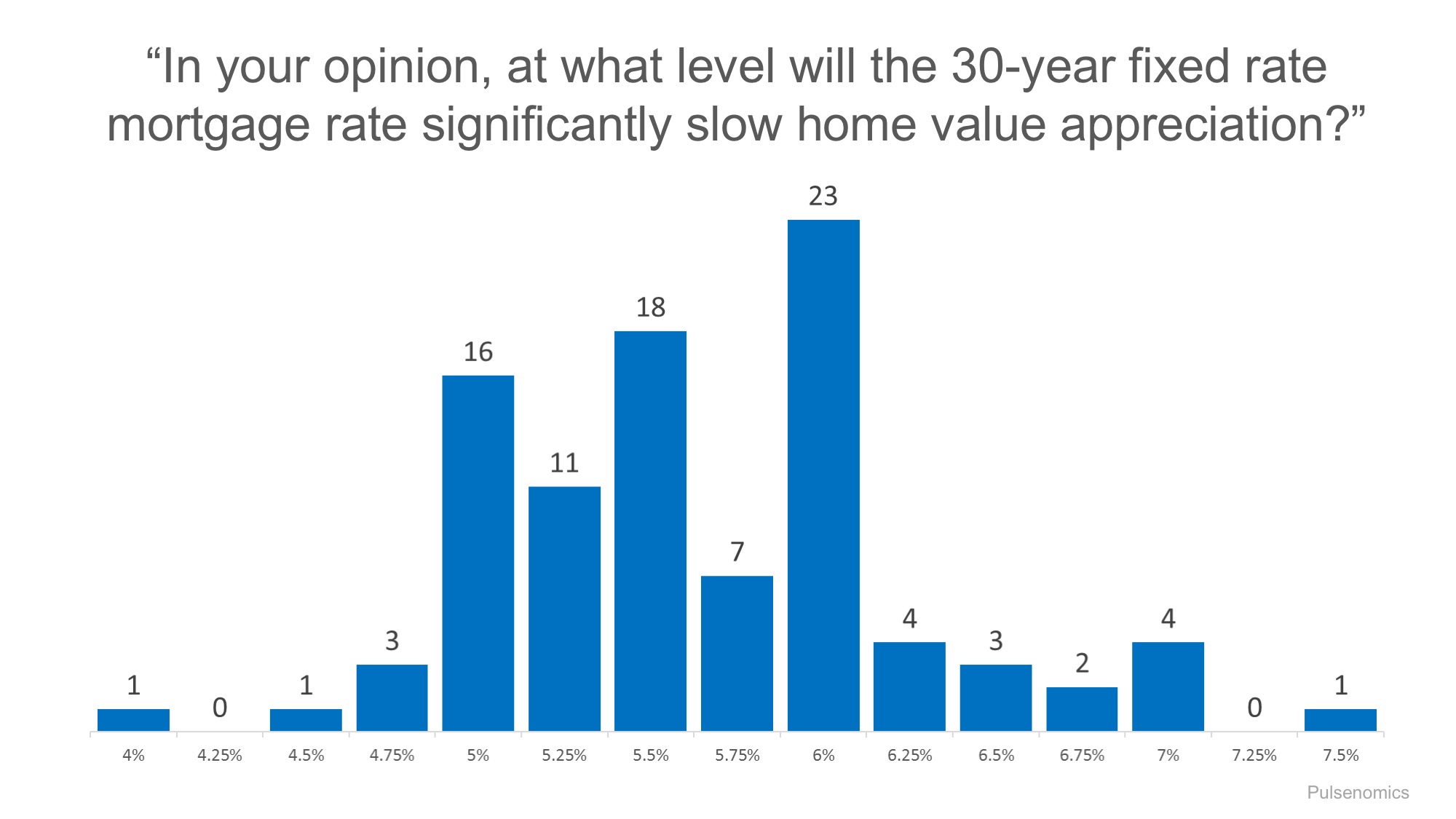
To this point, Pulsenomics, recently surveyed a panel of over 100 economists, investment strategists, and housing market analysts, asking the question “In your opinion, at what level will the 30-year fixed rate mortgage rate significantly slow home value appreciation?” The survey revealed the following:

Mortgage Rates Impact on 2017 Home Values | MyKCM

Bottom Line

Most experts believe that rates would need to hit 5% or above to have an impact on home prices.

Monday, March 20, 2017

Interest rates are projected to rise as the year goes on...

Don’t Let Your Luck Run Out [INFOGRAPHIC]

Don’t Let Your Luck Run Out [INFOGRAPHIC] | MyKCM

Some Highlights:

  • The “Cost of Waiting to Buy” is defined as the additional funds it would take to buy a home if prices and interest rates were to increase over a period of time.
  • Freddie Mac predicts that interest rates will increase to 4.8% by this time next year, while home prices are predicted to appreciate by 4.8% according to CoreLogic.
  • Waiting until next year to buy could cost you thousands of dollars a year for the life of your mortgage!