Showing posts with label first time home buyer. Show all posts

Saturday, December 1, 2018

Buying a home IS more stressful than planning a wedding, however I can help make your homebuying process be a better one (you're on your own with the wedding though!)

Is Buying a Home Really More Stressful Than Planning a Wedding? [INFOGRAPHIC]

Is Buying a Home Really More Stressful Than Planning a Wedding? [INFOGRAPHIC] | MyKCM

Some Highlights:

  • According to a new survey from Open Listings, 62% of Americans ages 25-54 believe that buying a home is more stressful than planning a wedding.
  • Many young couples are saving for a wedding and a home at the same time.
  • The average US wedding now costs 66% of a median home down payment, according to The Knot.

Monday, October 22, 2018

Buying a home IS more stressful than planning a wedding, however I can help make your homebuying process be a better one (you're on your own with the wedding though!)


Is Buying a Home Really More Stressful Than Planning a Wedding? [INFOGRAPHIC]


Is Buying a Home Really More Stressful Than Planning a Wedding? [INFOGRAPHIC] | MyKCM

Some Highlights:

  • According to a new survey from Open Listings, 62% of Americans ages 25-54 believe that buying a home is more stressful than planning a wedding.
  • Many young couples are saving for a wedding and a home at the same time.
  • The average US wedding now costs 66% of a median home down payment, according to The Knot.

Wednesday, October 10, 2018

Nobody wants to pay PMI, but did you know that it may actually work out in your favor?

The Cost of NOT Paying PMI

The Cost of NOT Paying PMI | MyKCM
Saving for a down payment is often the biggest hurdle for a first-time homebuyer as median incomes, rents, and home prices all vary depending on where you live.
There is a common misconception among homebuyers that a 20% down payment is required, and it is this limiting belief that often adds months, and sometimes even years, to the home-buying process.

So, if you can purchase a home with less than a 20% down payment… why aren’t more people doing just that?

One Possible Answer: Private Mortgage Insurance (PMI)
Freddie Mac defines PMI as:
“An insurance policy that protects the lender if you are unable to pay your mortgage. It’s a monthly fee, rolled into your mortgage payment, that is required for all conforming, conventional loans that have down payments less than 20%.
Once you’ve built equity of 20% in your home, you can cancel your PMI and remove that expense from your mortgage payment.”
As the borrower, you pay the monthly premiums for the insurance policy, and the lender is the beneficiary. The monthly cost of your PMI depends on the home’s value, the amount of your down payment, and your credit score.
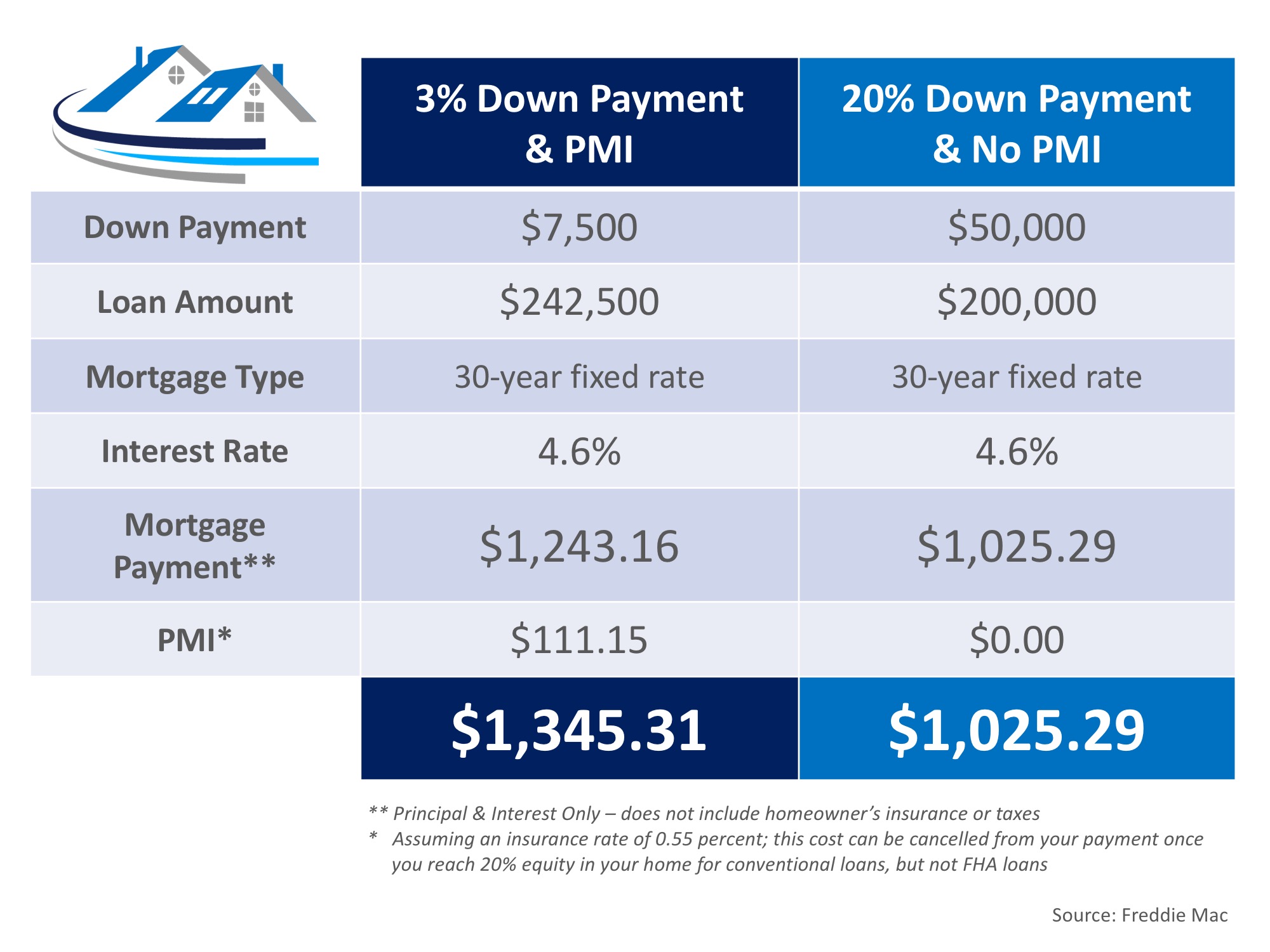
Below is a table showing the difference in monthly mortgage payment for a $250,000 home with a 3% down payment and PMI vs. a 20% down payment without PMI:
The Cost of NOT Paying PMI | MyKCM
The first thing you see when looking at the table above is no doubt the added $320 a month that you would be spending on your monthly mortgage cost. The second thing that should stand out is that a 20% down payment is $50,000!
If you are buying your first home, $50,000 is a large sum of money that takes discipline and sacrifice to save. Many first-time buyers save for 5-10 years before buying their homes.
To save $50,000 in 10 years, you would need to save about $420 a month. On the other hand, if you save that same $420 a month, you could afford a 3% down payment in less than a year and a half.
In a recent article by My Mortgage Insider, they explain what could happen in the market while you are waiting to save for a higher down payment:
“The time it takes to save a (larger) down payment could mean higher home prices and tougher qualifying down the road. For many buyers, it could prove much cheaper and quicker to opt for the 3% down mortgage immediately.”
The article went on to say,
“Since renters typically devote a higher percentage of their income to housing than homeowners, providing flexible down payment options can help renters with solid earnings purchase a home – and gain a fixed-rate mortgage with principal and interest payments that will not increase over the life of the loan.”
If the prospect of having to pay PMI is holding you back from buying a home today, Freddie Mac has this advice,
“It’s no doubt an added cost, but it’s enabling you to buy now and begin building equity versus waiting 5 to 10 years to build enough savings for a 20% down payment.”
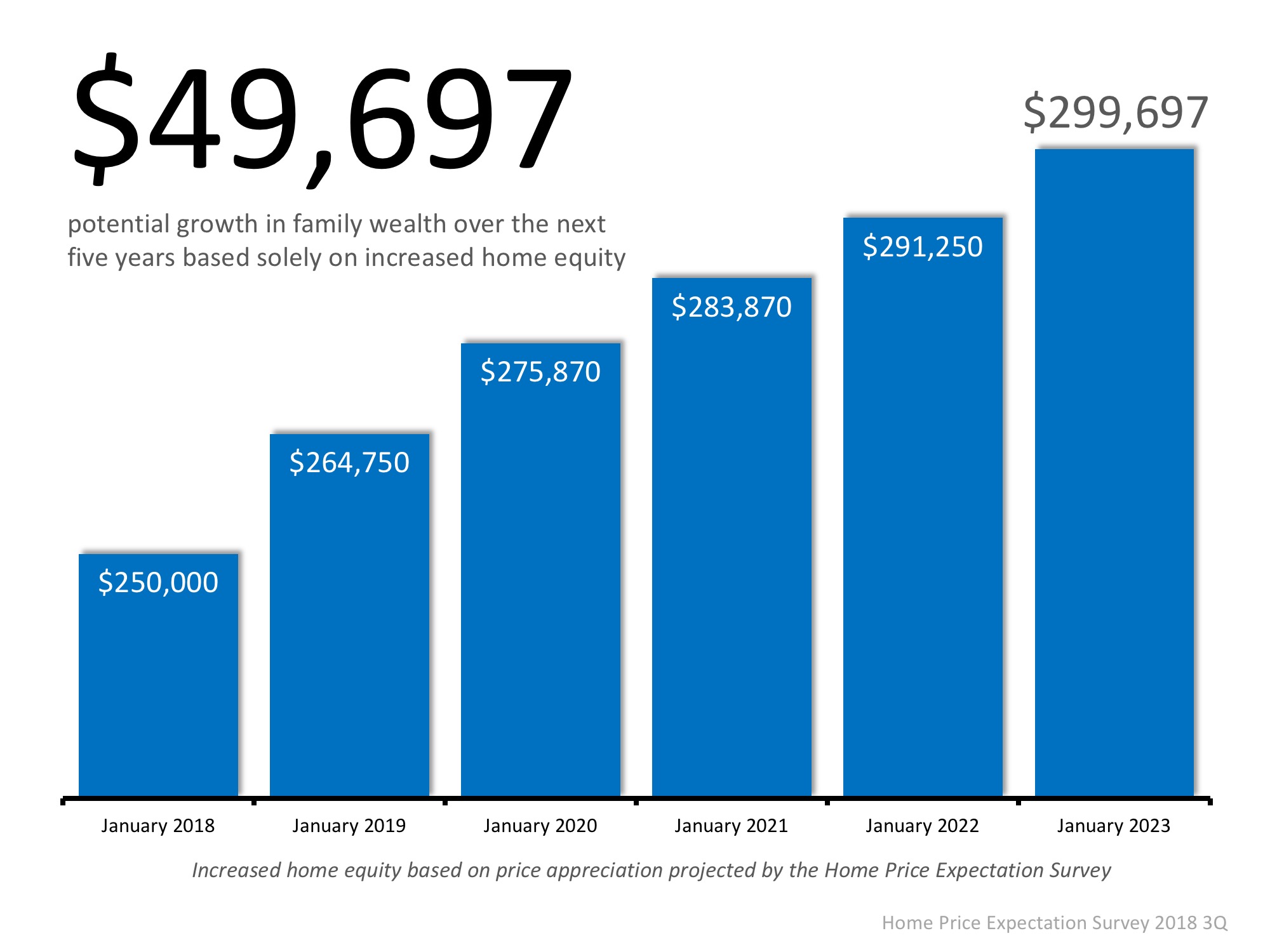
Based on results of the most recent Home Price Expectation Survey, a homeowner who purchased a $250,000 home in January would gain $50,000 in equity over the next five years based on home price appreciation alone (shown below).
The Cost of NOT Paying PMI | MyKCM

Bottom Line

If you have questions about whether you should buy now or wait until you’ve saved a larger down payment, let’s get together to discuss our market’s conditions and help you make the best decision for you and your family.

Thursday, May 31, 2018

How can rising mortgage interest rates be a good thing?

Why Have Interest Rates Jumped to a 7-Year High?

Why Have Interest Rates Jumped to a 7-Year High? | MyKCM
Interest rates for a 30-year fixed rate mortgage have climbed from 3.95% in the first week of January up to 4.61% last week, which marks a 7-year high according to Freddie Mac. The current pace of acceleration has been fueled by many factors.
Sam Khater, Freddie Mac’s Chief Economist, had this to say:
“Healthy consumer spending and higher commodity prices spooked bond markets and led to higher mortgage rates over the past week.
Not only are buyers facing higher borrowing costs, gas prices are currently at four-year highs just as we enter the important peak home sales season.”

But what do gas prices have to do with interest rates?

Investopedia explains the relationship like this:
“The price of oil and inflation are often seen as being connected in a cause-and-effect relationship. As oil prices move up or down, inflation follows in the same direction.”
You may have noticed that filling your gas tank has become substantially more expensive in recent months. The average national gas price has climbed nearly $0.50 from the beginning of the year, leading to the highest price for Memorial Day weekend since 2014.
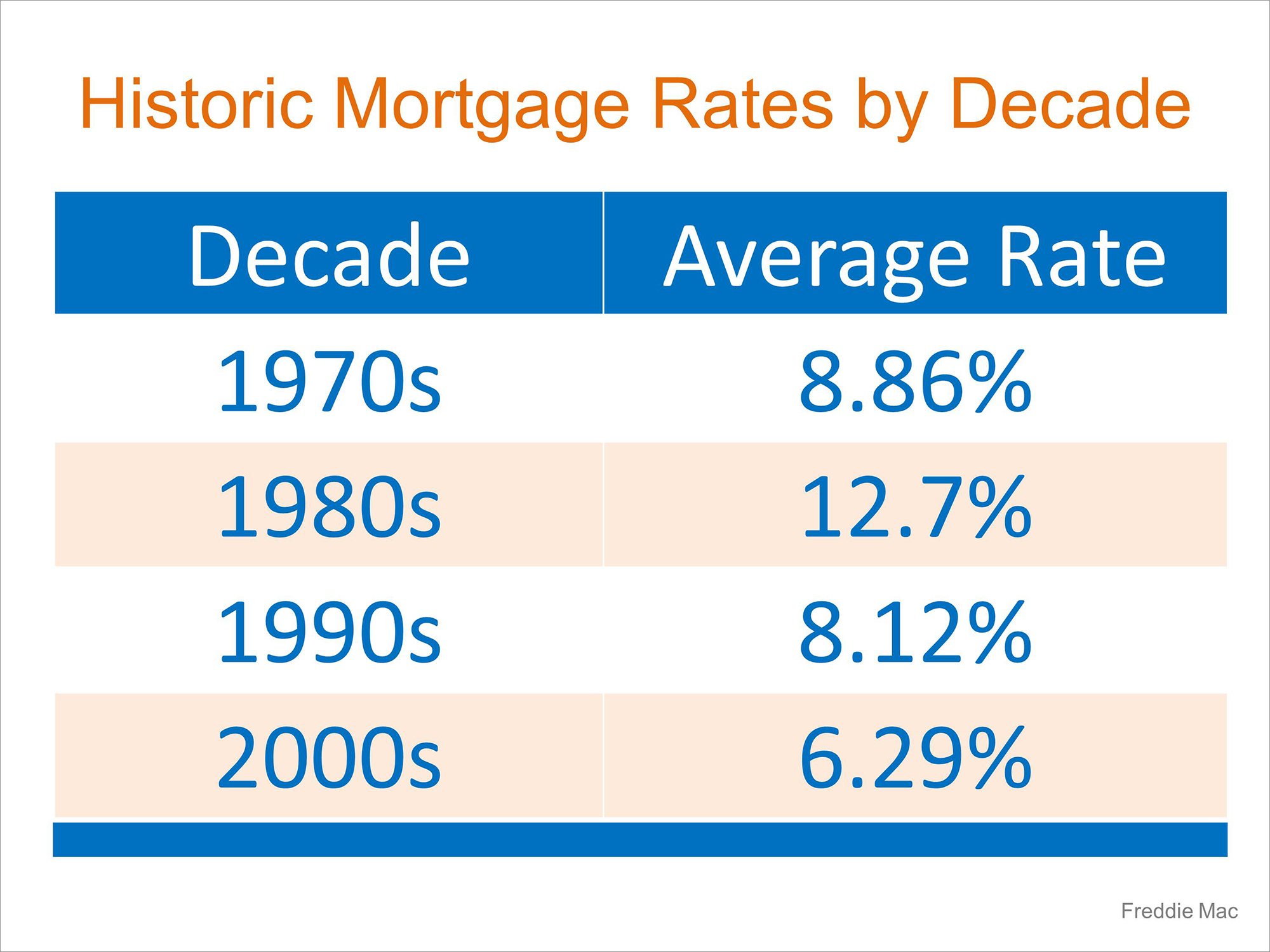
As rates go up, your purchasing power goes down, but don’t worry; rates are still well below the averages we’ve seen over the last four decades.
“Freddie Mac said this year’s higher rates have not yet caused much of a ripple in the strong demand levels for buying a home seen in most markets, but inflationary pressures and the prospect of rates approaching 5 percent could begin to hit the psyche of some prospective buyers.”
Buying sooner rather than later will help lock in a lower rate than waiting, as the experts believe rates will continue to climb. Even a small increase in interest rates can have a big impact on your monthly housing cost.

Bottom Line

If you are planning on buying a home this year, keep an eye on gas prices the next time you’re at the pump. If you start to feel a big jump in price, know that rates are probably on their way up, too.

Wednesday, January 3, 2018

Historically low interest rates are expected to go up in 2018. Don't put off your purchase much longer!


Mortgage Interest Rates Are Going Up… Should I Wait to Buy?


Mortgage interest rates, as reported by Freddie Mac, have increased over the last several weeksFreddie Mac, along with Fannie Mae, the Mortgage Bankers Association and the National Association of Realtors, is calling for mortgage rates to continue to rise over the next four quarters.
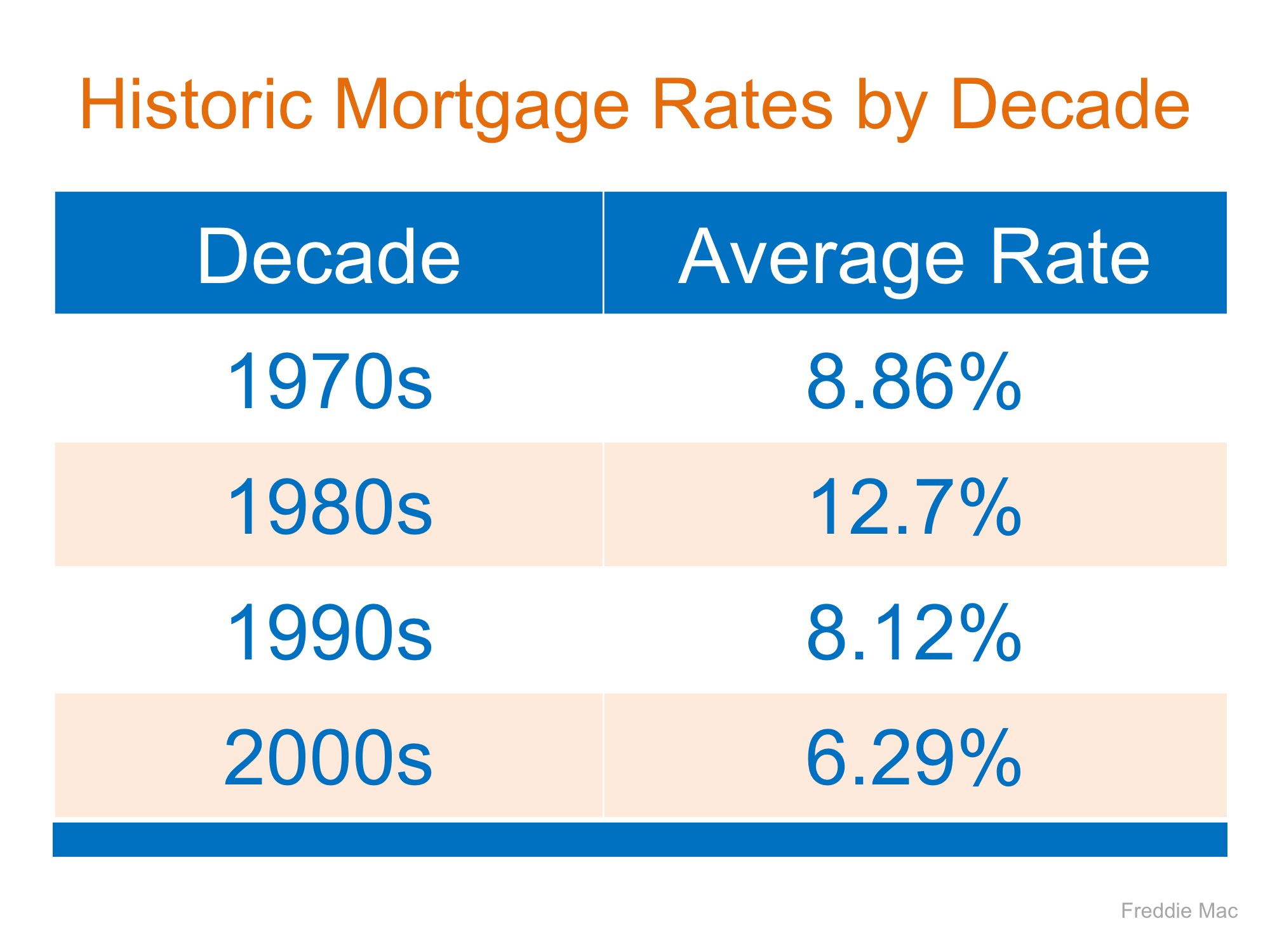
This has caused some purchasers to lament the fact that they may no longer be able to get a rate below 3.5%. However, we must realize that current rates are still at historic lows.
Here is a chart showing the average mortgage interest rate over the last several decades:
Mortgage Interest Rates Are Going Up… Should I Wait to Buy? | MyKCM

Bottom Line

Though you may have missed getting the lowest mortgage rate ever offered, you can still get a better interest rate than your older brother or sister did ten years ago, a lower rate than your parents did twenty years ago, and a better rate than your grandparents did forty years ago.

Wednesday, December 20, 2017

Waiting too long to buy a home in 2018 WILL cost you money...


What is the Cost of Waiting Until Next Year to Buy?


What is the Cost of Waiting Until Next Year to Buy? | MyKCM
We recently shared that over the course of the last 12 months, home prices have appreciated by 7.0%. Over the same amount of time, interest rates have remained historically low which has allowed many buyers to enter the market.
As a seller, you will likely be most concerned about ‘short-term price’ – where home values are headed over the next six months. As a buyer, however, you must not be concerned about price, but instead about the ‘long-term cost’ of the home.
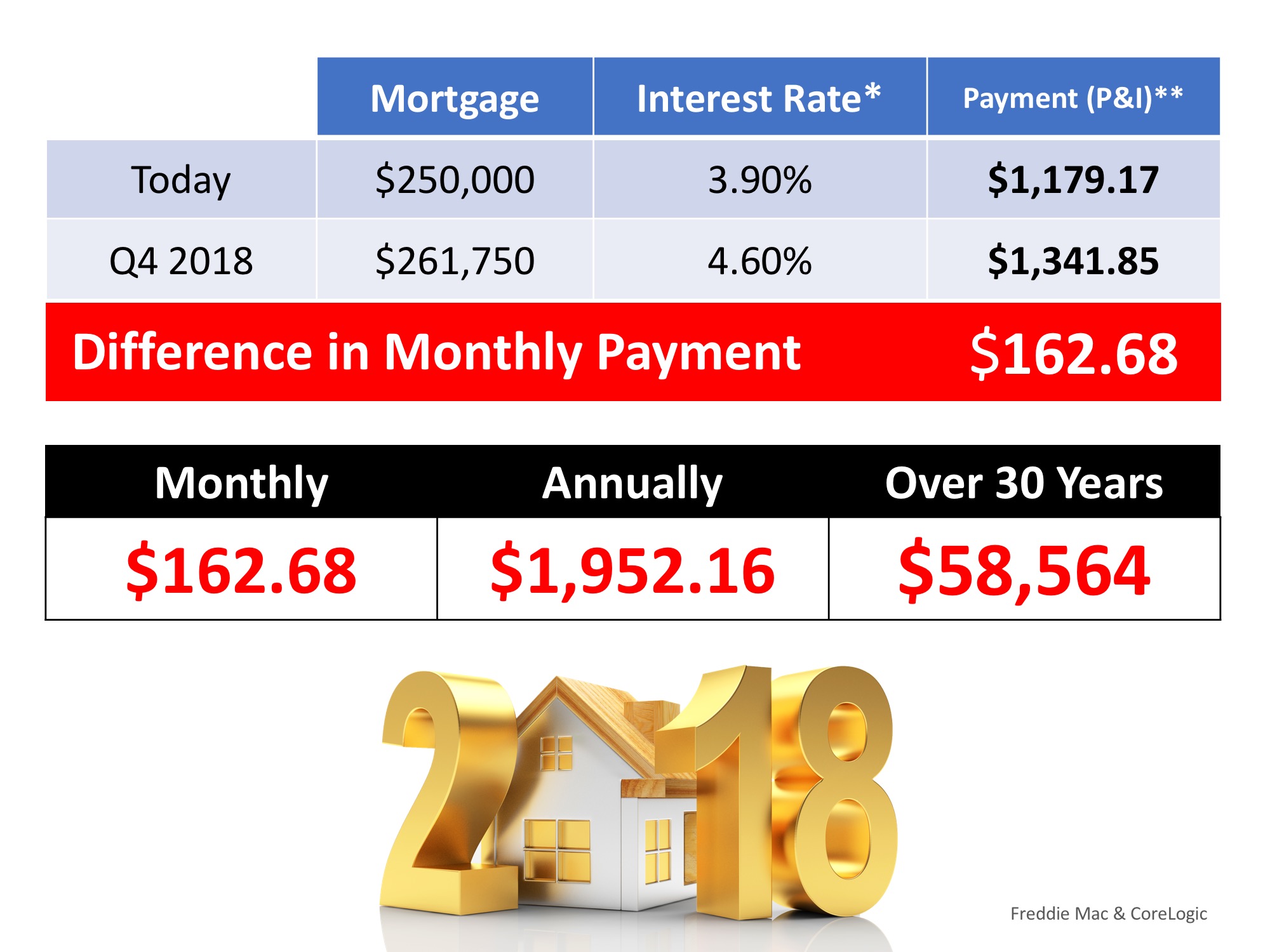
The Mortgage Bankers Association (MBA), Freddie Mac, and Fannie Mae all project that mortgage interest rates will increase by this time next year. According to CoreLogic’s most recent Home Price Index Report, home prices will appreciate by 4.7% over the next 12 months.

What Does This Mean as a Buyer?

If home prices appreciate by 4.7% over the next twelve months as predicted by CoreLogic, here is a simple demonstration of the impact that an increase in interest rate would have on the mortgage payment of a home selling for approximately $250,000 today:

Bottom Line

If buying a home is in your plan for 2018, doing it sooner rather than later could save you thousands of dollars over the terms of your loan.

Thursday, December 14, 2017

If you choose to rent to avoid paying a mortgage, you still are doing that. It is just someone else's mortgage that you are paying...

Renting or Buying…Either Way, You're Paying Someone's Mortgage

Renting or Buying…Either Way, You're Paying Someone's Mortgage | MyKCM
There are some people who have not purchased homes yet because they are uncomfortable taking on the obligation of a mortgage. Everyone should realize that, unless you are living with your parents rent-free, you are paying a mortgage – either yours or your landlord’s.
As Entrepreneur Magazine, a premier source for small business, explained in their article, “12 Practical Steps to Getting Rich,”
“While renting on a temporary basis isn’t terrible, you should most certainly own the roof over your head if you’re serious about your finances. It won’t make you rich overnight, but by renting, you’re paying someone else’s mortgage. In effect, you’re making someone else rich.”
Christina Boyle, Senior Vice President and head of the Single-Family Sales & Relationship Managementorganization at Freddie Mac, explains another benefit of securing a mortgage vs. paying rent:
“With a 30-year fixed rate mortgage, you’ll have the certainty & stability of knowing what your mortgage payment will be for the next 30 years – unlike rents which will continue to rise over the next three decades.”
As an owner, your mortgage payment is a form of ‘forced savings’ which allows you to build equity in your home that you can tap into later in life. As a renter, you guarantee the landlord is the person with that equity.
Interest rates are still at historic lows, making it one of the best times to secure a mortgage and make a move into your dream home. Freddie Mac’s latest report shows that rates across the country were at 3.94% last week.

Bottom Line

Whether you are looking for a primary residence for the first time or are considering a vacation home on the shore, now may be the time to buy.

Monday, December 11, 2017

Want to buy your first home, but money is a bit tight? Would having a roommate work for you?


How to Save on a Mortgage Payment Whether Buying or Selling


How to Save on a Mortgage Payment Whether Buying or Selling | MyKCM
In Trulia’s recent reportRent vs. Buy: Roommate Edition, they examined the impact that renting with a roommate has in determining whether it is more expensive to rent or buy. The study explains:
“Since we started keeping track in 2012, it’s been a better deal to buy than rent in America’s largest housing markets – and for much of that time it hasn’t been close.”
It then goes on to ask the question:
“But does the equation change for renters who share their rent with a roommate?”

The report reveals:

“While the standard rent vs. buy analysis reveals buying is cheaper than renting in all of the nation’s 100 largest metros, this doesn’t hold true for those choosing between renting with a roommate and buying a starter home.”
It seems obvious that sharing the cost of renting your living space by taking in a roommate dramatically decreases your housing expense (which is exactly what the report concluded), but it got us thinking.

What if you purchased a home and took in that same roommate?

The savings you would gain by adding a roommate would also occur if you purchased a home. This presents an opportunity for a list of possible purchasers. Here are two examples:
  1. The first-time buyer: As the report explains, many young adults already live with a roommate. If they purchased a new home, perhaps that roommate (or someone else) would be willing to rent a room in their new house. The rent could help offset the mortgage payment.
  2. The empty-nester seller looking to move: Their home may no longer fit their current lifestyle. They may now be looking for something a little smaller with all the bedrooms on the ground level. These families may be able to open a bedroom to an older family member (parents, aunts & uncles, etc.). This would kill two birds with one stone.
A smaller, move-down home is almost impossible to find in the current housing market. If the seller-turned-buyer takes on a tenant, they could buy a more expensive home knowing that the additional monies needed to pay the mortgage would be offset with the additional monies they receive in rent. Secondly, the older couple (ex. parents) could get a housing option that probably far surpasses anything else available to them in the current market.

Bottom Line

Considering the concept of renting a portion of your house to be able to purchase the perfect home may make sense to many families. You will need to decide if it is right for you.

Tuesday, December 5, 2017

The cost of renting can be more than the cost of buying a home...

The Cost of Renting vs. Buying a Home [INFOGRAPHIC]

The Cost of Renting vs. Buying a Home [INFOGRAPHIC] | MyKCM

Some Highlights:

  • Historically, the choice between renting or buying a home has been a tough decision.
  • Looking at the percentage of income needed to rent a median-priced home today (29.2%) vs. the percentage needed to buy a median-priced home (15.8%), the choice becomes obvious.
  • Every market is different. Before you renew your lease again, find out if you can put your housing costs to work by buying this year!

Wednesday, November 15, 2017

Do you know the steps in a mortgage process?

The Mortgage Process: What You Need to Know [INFOGRAPHIC]

The Mortgage Process: What You Need to Know [INFOGRAPHIC] | MyKCM

Some Highlights:

  • Many buyers are purchasing a home with a down payment as little as 3%.
  • You may already qualify for a loan, even if you don't have perfect credit.
  • Take advantage of the knowledge of your local professionals who are there to help you determine how much you can afford.

Thursday, November 2, 2017

Buying a home isn't free. Closing costs are often forgotten, or overlooked, by buyers and can lead to trouble at the closing table. Knowing the average closing cost in your area can help you be more prepared.

More Than Half of All Buyers Are Surprised by Closing Costs

More Than Half of All Buyers Are Surprised by Closing Costs | MyKCM
According to a survey conducted by ClosingCorp, over half of all homebuyers are surprised by the closing costs required to obtain their mortgage.
After surveying 1,000 first-time and repeat homebuyers, the results revealed that 17% of homebuyers were surprised that closing costs were required at all, while another 35% were stunned by how much higher the fees were than expected.
“Homebuyers reported being most surprised by mortgage insurance, followed by bank fees and points, taxes, title insurance and appraisal fees.”
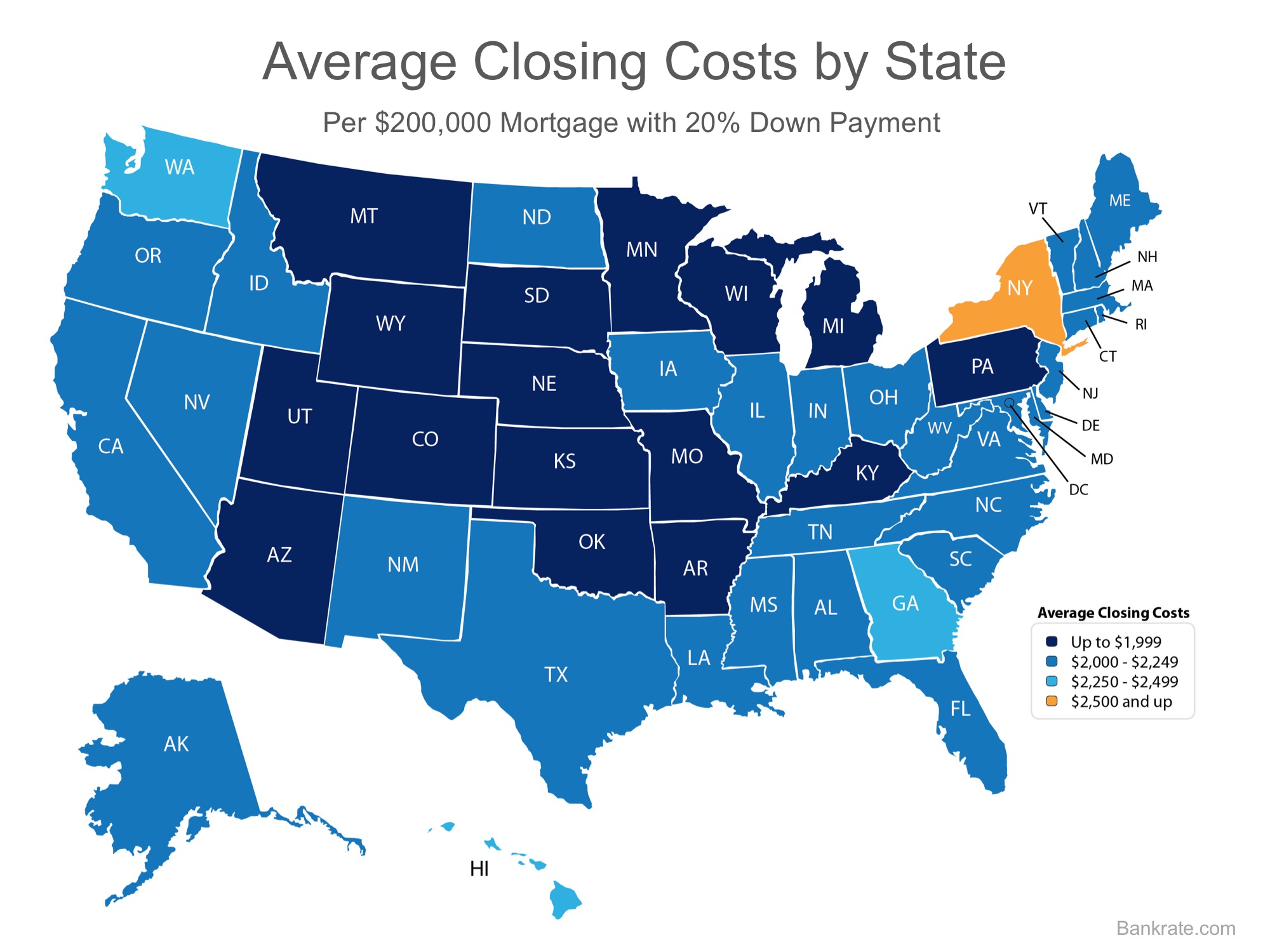
Bankrate.com gathered closing cost data from lenders in every state and Washington, D.C. in order to share the average costs in each state. The map below was created using the closing costs on a $200,000 mortgage with a 20% down payment.
More Than Half of All Buyers Are Surprised by Closing Costs | MyKCM
Keep in mind that if you are in the market for a home above this price range, your costs could be significantly greater. According to Freddie Mac,
“Closing costs are typically between 2 and 5% of your purchase price.”

Bottom Line

Speak with your lender and agent early and often to determine how much you’ll be responsible for at closing. Finding out that you’ll need to come up with thousands of dollars right before closing is not a surprise anyone is ever looking forward to.

Tuesday, October 31, 2017

Buying a home? Don't be spooked by doing it on your own...

Buying a Home Can Be Scary... Unless You Know the Facts [INFOGRAPHIC]

Buying a Home Can Be Scary... Unless You Know the Facts [INFOGRAPHIC] | MyKCM

Some Highlights:

Many potential homebuyers believe that they need a 20% down payment and a 780 FICO® score to qualify to buy a home, which stops many of them from even trying! Here are some facts:
  • 40% of millennials who purchased homes this year have put down less than 10%.
  • 76.4% of loan applications were approved last month.
  • The average credit score of approved loans was 724 in September.

Friday, January 20, 2017

While Millennials have been slow to jump into the housing market, they are beginning to expand their families. Growing families will change their priorities, and may translate to more Millennials homebuyers than before.

What Would a Millennial Baby Boom Mean for Housing?

What Would a Millennial Baby Boom Mean for Housing? | MyKCM
Recently released data from the National Center for Health Statistics revealed that 1.3 million Millennial women gave birth for the first time in 2015. There are now over 16 million women in this generation who have become mothers.
“All told, Millennial women (those born between 1981 to 1997) accounted for about eight in ten (82%) of U.S. births in 2015.”
The data also shows that this generation has waited until later in life to become parents as only 42% of Millennial women were moms in 2014, compared to 49% of Generation X at the same age. A Pew Research Center article discussing the data, points to social influences that may have contributed to the delay:
“The rising age at first birth is hardly limited to the Millennial generation. It has been a trend since at least 1970. Many factors may contribute, including a shift away from marriage, increasing educational attainment and the movement of women into the labor force.”

Do Millennials Want to Be Parents?

“While Millennials may be delaying parenthood, it’s not for a lack of interest in eventually becoming moms and dads. Members of this generation rated being a good parent as a top priority in a 2010 Pew Research Center survey.  
Some 52% said it was one of the most important goals in their lives, well ahead of having a successful marriage, which 30% said was one of their most important lifetime goals.”

So, What Does This Mean for the Housing Market?

As Jonathan Smoke, Chief Economist for realtor.com explained: “At any given time in our history, demographics would explain 60-80% of what’s happening [in the market], and we are in a period of time where Millennials make up a largest demographic group.” 
As more and more Millennial families are formed, this generation will shift their focus to providing the best home for their children to grow up in, the best school districts, and often to the stability that owning a home of their own provides.
Two-thirds of Millennials have not yet reached the average first-time home buying age of 32, as reported by the National Association of Realtor. The homeownership rate amongst Millennials has nowhere to go but up!

Bottom Line

Millennials as a generation have delayed traditional social norms until later in their lives. Whether getting married, having children or buying a home, the desire to provide for their family is still there, even if it takes a little while longer than it did for previous generations.

Monday, December 5, 2016

Interest rates for mortgages have increased slightly over the past few weeks...


Mortgage Interest Rates Just Went Up… Should I Wait to Buy?


Mortgage Interest Rates Just Went Up… Should I Wait to Buy? | MyKCM
Mortgage interest rates, as reported by Freddie Mac, have increased over the last several weeks. Along with Freddie MacFannie Mae, the Mortgage Bankers Association and the National Association of Realtors are all calling for mortgage rates to continue to rise over the next four quarters.
This has caused some purchasers to lament the fact they may no longer be able to get a rate less than 4%. However, we must realize that current rates are still at historic lows.
Here is a chart showing the average mortgage interest rate over the last several decades.
Mortgage Interest Rates Just Went Up… Should I Wait to Buy? | MyKCM

Bottom Line

Though you may have missed getting the lowest mortgage rate ever offered, you can still get a better interest rate than your older brother or sister did ten years ago; a lower rate than your parents did twenty years ago and a better rate than your grandparents did forty years ago.