Showing posts with label home values predictions. Show all posts

Tuesday, September 19, 2017

Have you always wanted to upgrade to a luxury home? Right now, the luxury housing market is in a buyer's market, while lower priced housing tends to lean more towards being a seller's market. It's a great combo for an upgrading buyer!

Want to Keep up with the Joneses? Now's the Time
Want to Keep Up with the Joneses? Now’s the Time | MyKCM
Does your current house fit your needs? Does it seem like everyone else is moving up and moving on to more luxurious surroundings? Are you wondering what it would take to start living your dream life?
Market conditions around the country have presented an opportunity like no other for those who are looking to make the jump to a premium or luxury home.
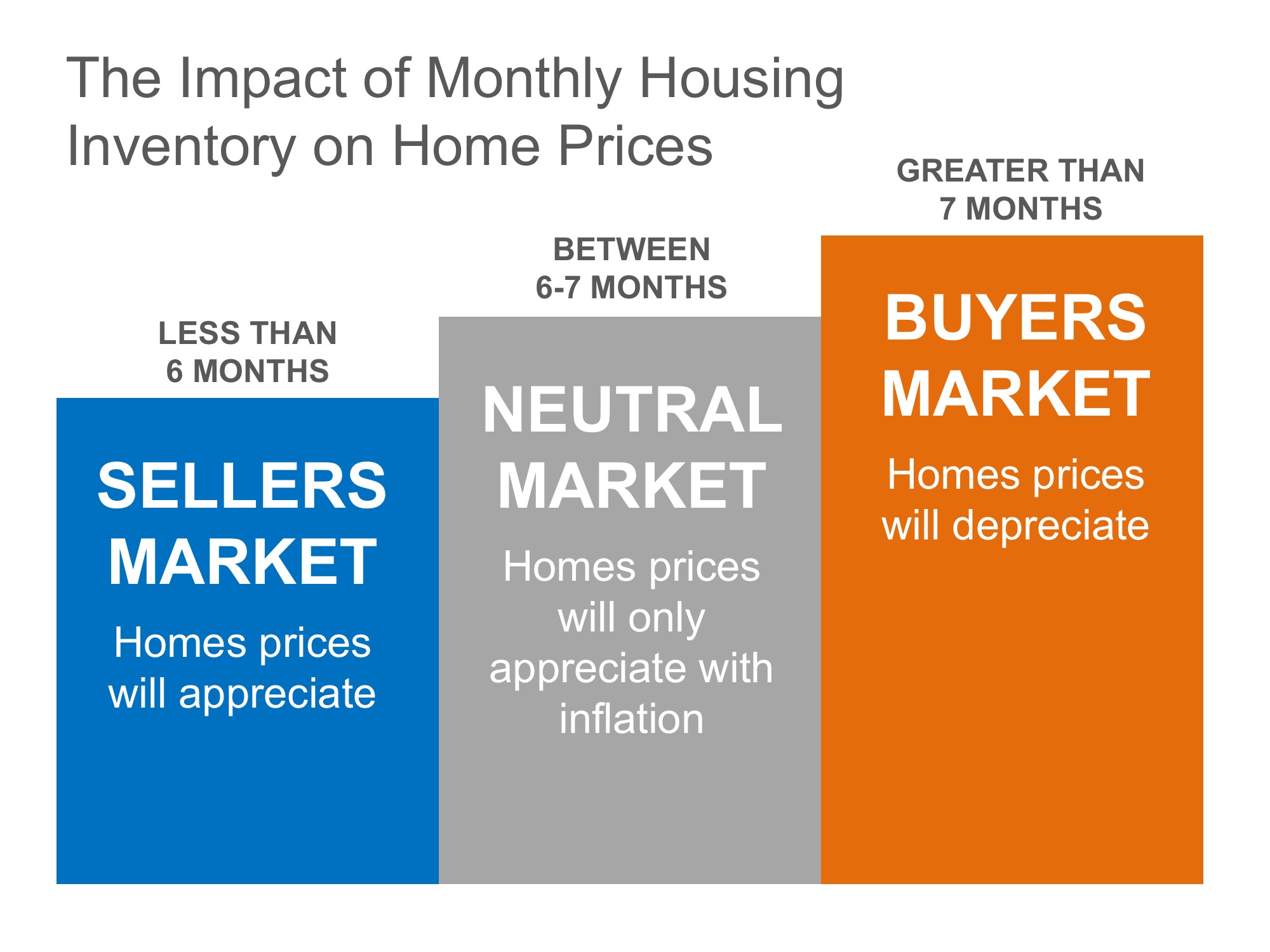
The National Association of Realtors reports that national inventory levels are now at a 4.3-month supply. A normal market, where prices appreciate with inflation, has 6-7-months inventory. The national market has echoed the conditions felt in the starter and trade-up markets as inventory has declined year-over-year for 25 consecutive months.
The chart below shows the relationship between the inventory of homes for sale and prices.
Want to Keep Up with the Joneses? Now’s the Time | MyKCM
According to Trulia’s latest Inventory Report, the inventory of homes for sale in the two lower priced markets has dropped by double digit percentages over the last 12 months (16% for starter and 13% for trade-up homes). While the inventory of homes in the premium home category has dropped by only 4%.
This has created a seller’s market in the lower-priced markets, as 54% of homes were on the market for less than a month in the last Realtors Confidence Index, and a buyer’s market in the luxury market, where homes were on the market for an average of 160 days according to the Institute for Luxury Home Marketing.


Bottom Line

If you are even thinking of listing your home and moving up to a luxury home, let’s get together to evaluate your ability to do so. Homeowners across the country are upgrading their homes, why can’t you? Your dream home is waiting!

Thursday, September 7, 2017

Are you a Millennial homeowner? Have you been in your home for several years? You may have built up enough money to sell your current home, and upgrade to something a little larger.

Hey, Millennial Homeowners!! It May Be Time to Sell

Hey, Millennial Homeowners!! It May Be Time to Sell | MyKCM
Contrary to what many believe, Millennials are not the ‘renter’ generation. Millennials purchased a larger percentage (34%) of homes in the U.S. than any other age group in 2017 and the most recent Census Bureau report shows that the homeownership rate among Millennials is finally on the rise.
Many Millennials took advantage of post housing crash prices and the First-Time Homebuyers’ Tax Credit and jumped into homeownership in 2010. If you are one of these buyers, now may be the time to sell for many reasons. Here are a few:

1. Equity Build-Up

Home prices have been on the rise since the beginning of 2012 and your house may have appreciated by more than you think. ATTOM Data Solutions, in their Q2 2017 U.S. Home Sales Report revealed that:
“…homeowners who sold in the second quarter realized an average price gain of $51,000 since purchase — the highest average price gain for home sellers since Q2 2007, when it was $57,000.
The average home seller price gain of $51,000 in Q2 2017 represented an average return of 26 percent on the previous purchase price of the home, the highest average home seller return since Q3 2007, when it was 27 percent.”

2. Projected Home Price Increases

If you just got married or just found out you are about to become a parent, you may have plans to move up a bigger home or perhaps move to a different area. Waiting to buy a more expensive home in this market probably doesn’t make sense. The experts contacted for the Home Price Expectation Survey are projecting home prices to increase by nearly 5% over the next year. Yes, your house’s price will increase but not as much as a home currently valued higher than yours.

3. Projected Interest Rate Increases

The Mortgage Bankers’ Association, Freddie Mac, Fannie Mae and the National Association of Realtors are each projecting mortgage rates to increase over the next year.

Higher PRICES + Higher INTEREST RATES = LARGER MORTGAGE PAYMENTS.

Bottom Line

If you are lucky enough to be one of those Millennials who purchased a house in 2010 (or even later), now might be the perfect time to move up to the home of your dreams!

Thursday, June 1, 2017

Concerned that there may be another housing bubble burst? Here are 3 reasons you shouldn't be...

3 Reasons the Housing Market is NOT in a Bubble

3 Reasons the Housing Market is NOT in a Bubble | MyKCM
With housing prices appreciating at levels that far exceed historical norms, some are fearful that the market is heading for another bubble. To alleviate that fear, we just need to look back at the reasons that caused the bubble ten years ago.
Last decade, demand for housing was artificially propped up because mortgage lending standards were way too lenient. People that were not qualified to purchase were able to obtain a mortgage anyway. Prices began to skyrocket. This increase in demand caused homebuilders in many markets to overbuild.
Eventually, the excess in new construction and the flooding of the market with distressed properties (foreclosures & short sales), caused by the lack of appropriate lending standards, led to the housing crash.

Where we are today…

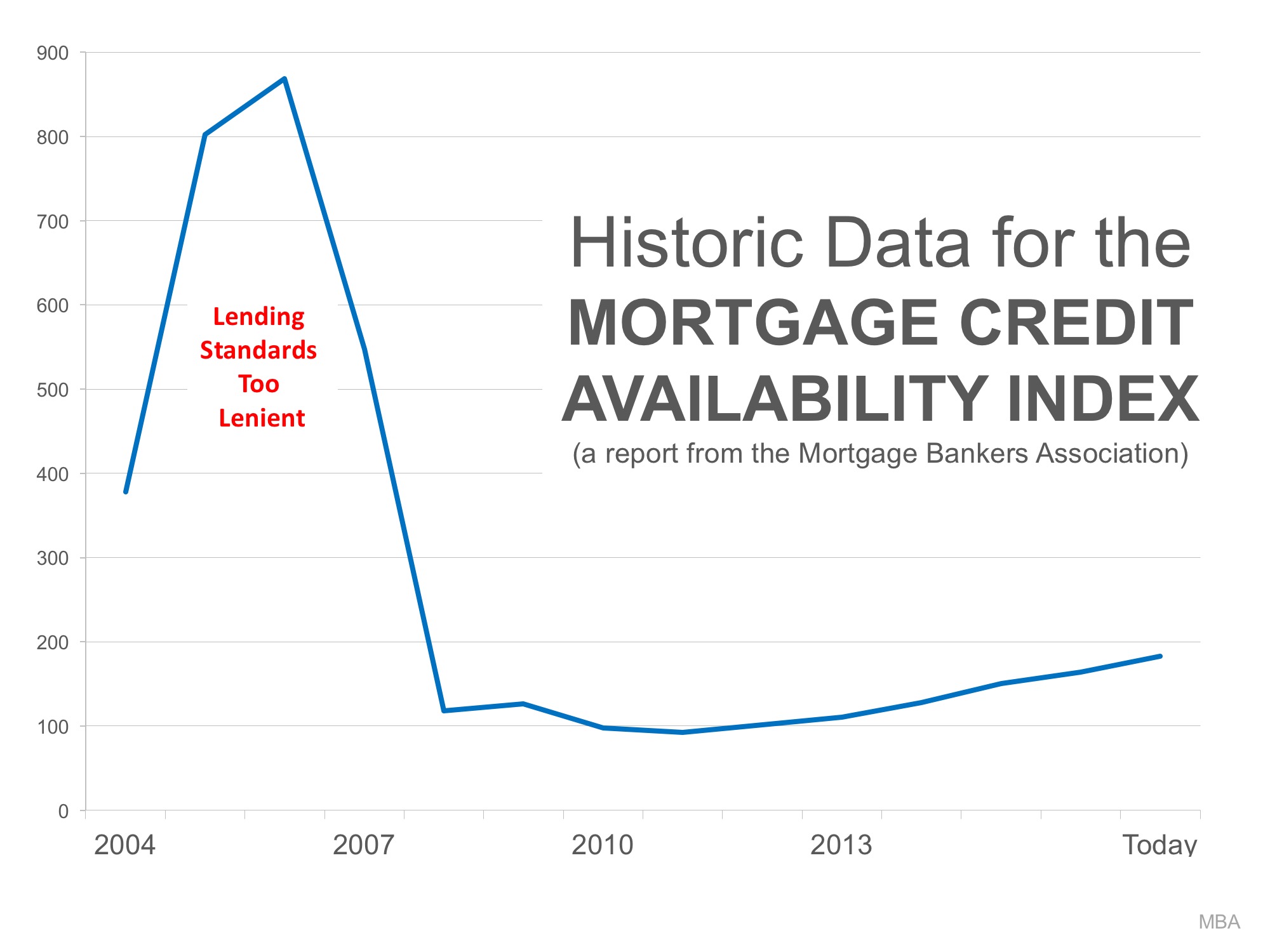
1. If we look at lending standards based on the Mortgage Credit Availability Index released monthly by the Mortgage Bankers Association, we can see that, though standards have become more reasonable over the last few years, they are nowhere near where they were in the early 2000s.
3 Reasons the Housing Market is NOT in a Bubble | MyKCM
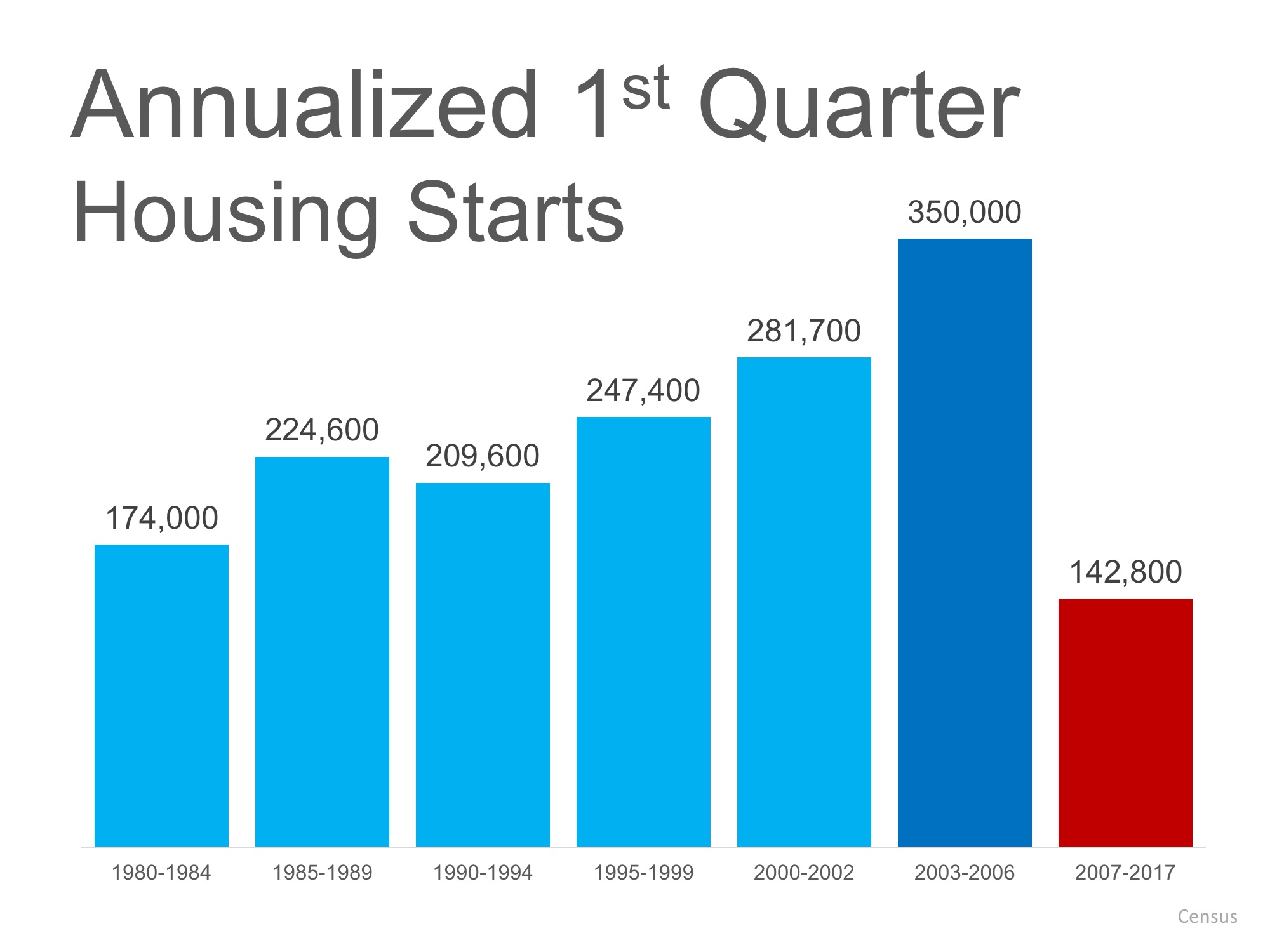
2. If we look at new construction, we can see that builders are not “over building.” Average annual housing starts in the first quarter of this year were not just below numbers recorded in 2002-2006, they are below starts going all the way back to 1980.
3 Reasons the Housing Market is NOT in a Bubble | MyKCM
3. If we look at home prices, most homes haven’t even returned to prices seen a decade ago. Trulia just released a report that explained:
“When it comes to the value of individual homes, the U.S. housing market has yet to recover. In fact, just 34.2% of homes nationally have seen their value surpass their pre-recession peak.”

Bottom Line

Mortgage lending standards are appropriate, new construction is below what is necessary and home prices haven’t even recovered. It appears fears of a housing bubble are over-exaggerated.

Thursday, May 25, 2017

Waiting until next year to buy? It may end up costing you tens of thousands of dollars overtime...

Do You Know the Cost of Waiting? [INFOGRAPHIC]

Do You Know the Cost of Waiting? [INFOGRAPHIC] | MyKCM

Some Highlights:

  • The “Cost of Waiting to Buy” is defined as the additional funds it would take to buy a home if prices and interest rates were to increase over a period of time.
  • Freddie Mac predicts that interest rates will increase to 4.8% by this time next year, while home prices are predicted to appreciate by 4.9% according to CoreLogic.
  • Waiting until next year to buy could cost you thousands of dollars a year for the life of your mortgage!

Wednesday, March 22, 2017

Thinking of selling your home in 2017? Don't wait! The market is hot now!

Thinking of Selling? Do it TODAY!!

Thinking of Selling? Do it TODAY!! | MyKCM
That headline might be a little aggressive. However, as the data on the 2017 housing market begins to roll in, we can definitely say one thing: If you are considering selling, IT IS TIME TO LIST YOUR HOME!
The February numbers are not in yet, but the January numbers were sensational. Lawrence Yun, Chief Economist for the National Association of Realtors, said:
“Much of the country saw robust sales activity last month as strong hiring and improved consumer confidence at the end of last year appear to have sparked considerable interest in buying a home. Market challenges remain, but the housing market is off to a prosperous start as homebuyers staved off inventory levels that are far from adequate…”
And CNBC says consumer confidence in the economy is fueling the market:
“U.S. home resales surged to a 10-year high in January as buyers shrugged off higher prices and mortgage rates, a sign of growing confidence in the economy.”
The only challenge to the market is a severe lack of inventory. A balanced market would have a full six-month supply of homes for sale. Currently, there is less than a four-month supply of inventory. This represents a decrease in supply of 7.1% from the same time last year.

Bottom Line

With demand increasing and supply dropping, this may be the perfect time to get the best price for your home. Let’s get together and discuss the inventory levels in your neighborhood to determine your next steps.

Wednesday, March 8, 2017

Over the next 5 years, nationally, home values are expected to hit an annual average appreciate of 3.22%. That's good news for the housing industry.

Where Are the Home Prices Heading in the Next 5 Years?

Where Are the Home Prices Heading in the Next 5 Years? | MyKCM
Today, many real estate conversations center on housing prices and where they may be headed. That is why we like the Home Price Expectation Survey.
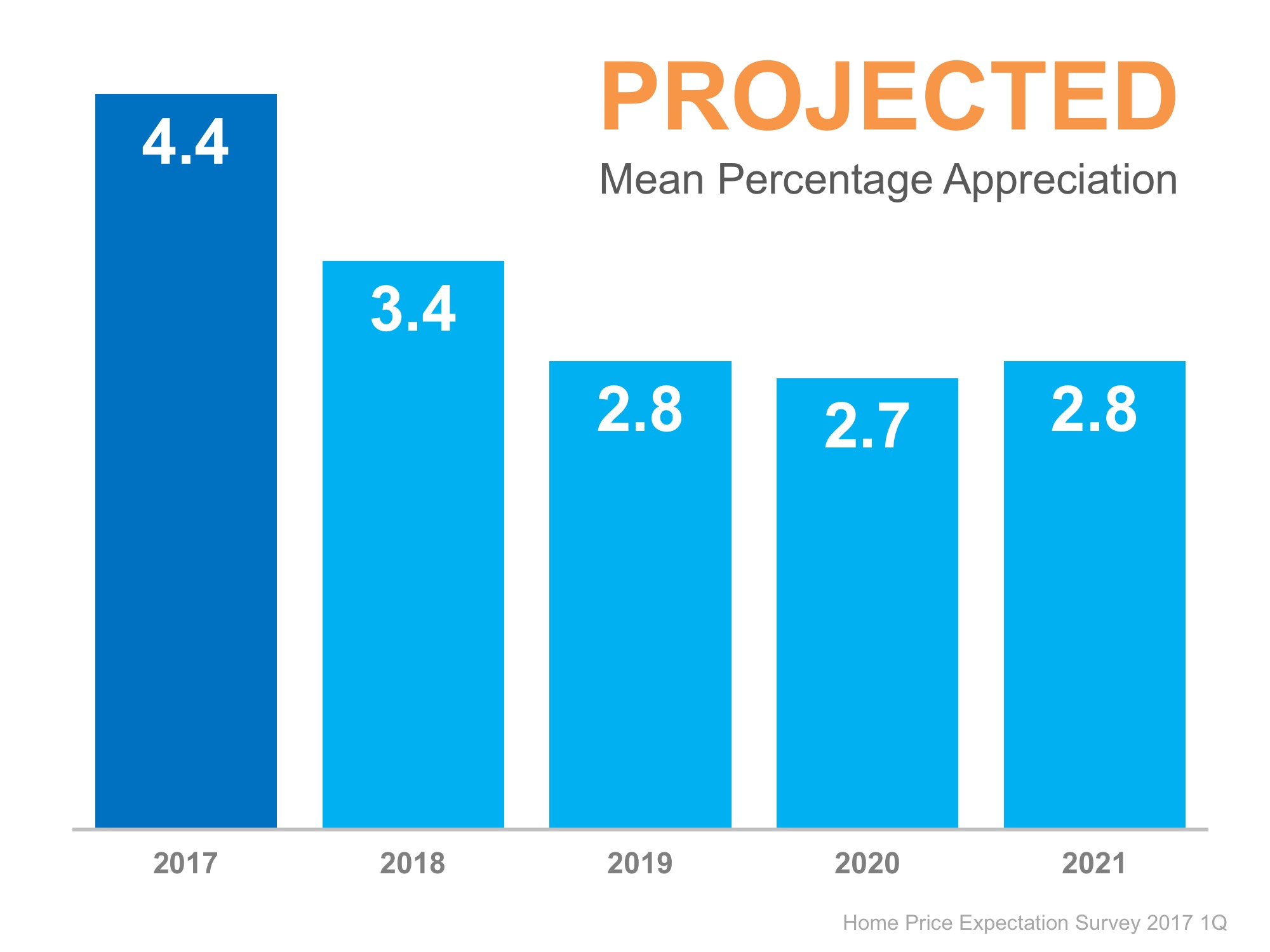
Every quarter, Pulsenomics surveys a nationwide panel of over one hundred economists, real estate experts, and investment & market strategists about where they believe prices are headed over the next five years. They then average the projections of all 100+ experts into a single number.

The results of their latest survey:

Home values will appreciate by 4.4% over the course of 2017, 3.4% in 2018, 2.8% in 2019, 2.7% in 2020, and 2.8% in 2021. That means the average annual appreciation will be 3.22% over the next 5 years.
Where Are the Home Prices Heading in the Next 5 Years? | MyKCM
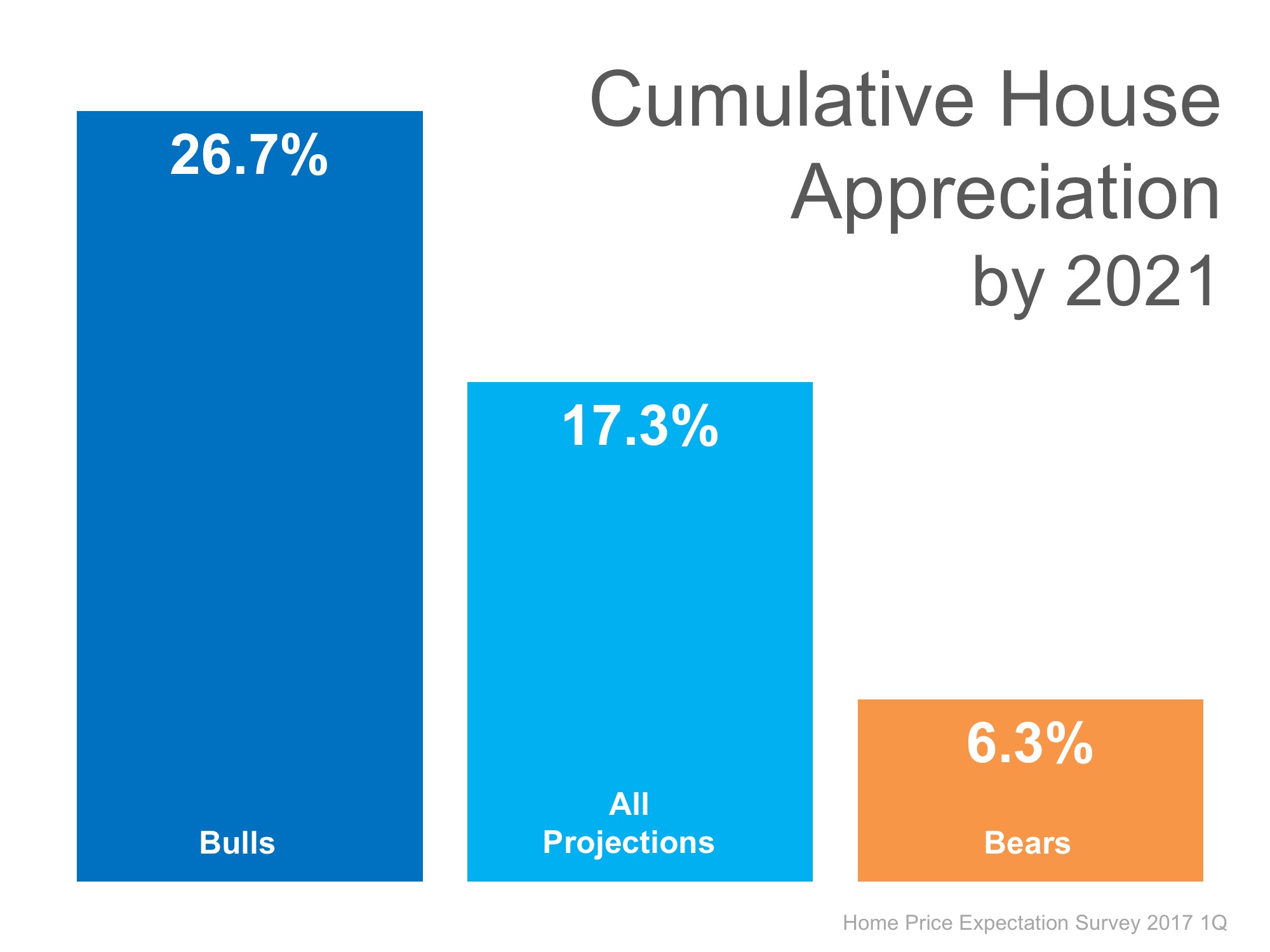
The prediction for cumulative appreciation fell from 21.4% to 17.3% by 2021. The experts making up the most bearish quartile of the survey are projecting a cumulative appreciation of 6.3%.
Where Are the Home Prices Heading in the Next 5 Years? | MyKCM

Bottom Line

Individual opinions make headlines. We believe this survey is a fairer depiction of future values.

Friday, January 27, 2017

If you want to sell your home this spring, get it on the market now!

Thinking of Selling? Why Now is the Time

Thinking of Selling? Why Now is the Time | MyKCM
It is common knowledge that a large number of homes sell during the spring-buying season. For that reason, many homeowners hold off on putting their homes on the market until then. The question is whether or not that will be a good strategy this year.
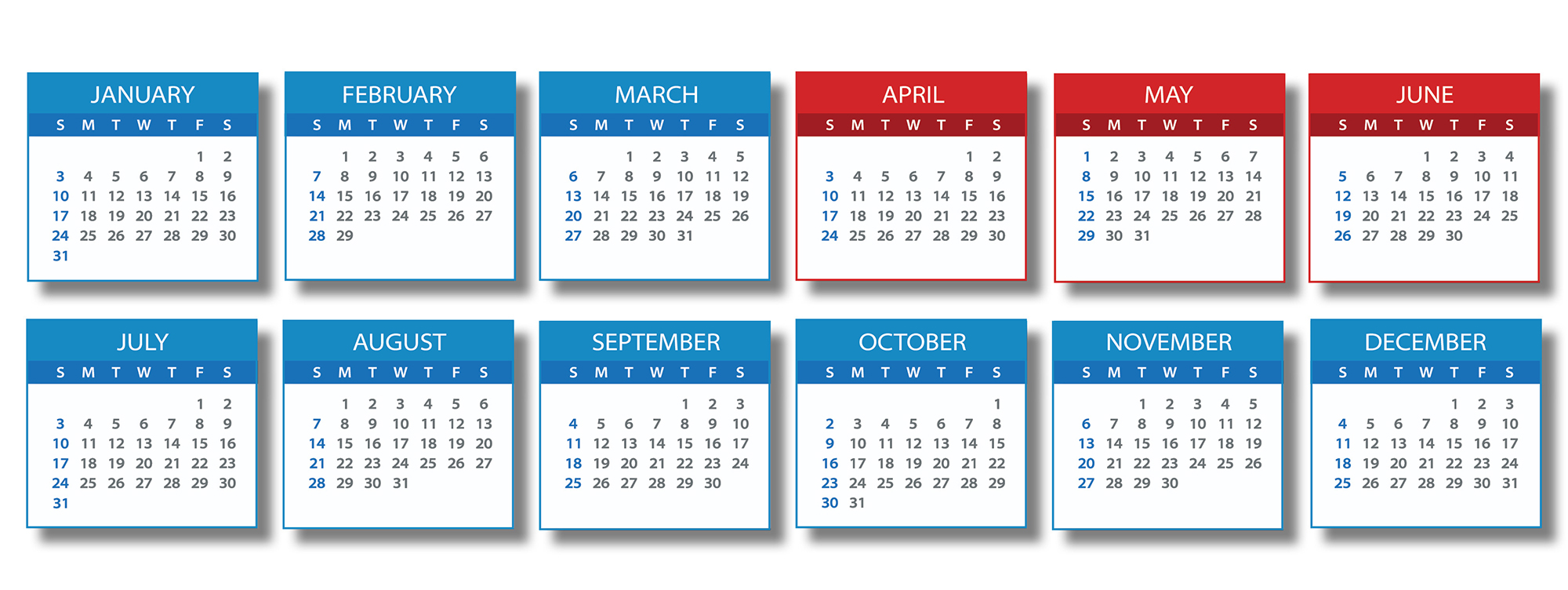
The other listings that do come out in the spring will represent increased competition to any seller. Do a greater number of homes actually come to the market in the spring, as compared to the rest of the year? The National Association of Realtors (NAR) recently revealed the months in which most people listed their homes for sale in 2016. Here is a graphic showing the results:
Thinking of Selling? Why Now is the Time | MyKCM
The three months in the second quarter of the year (represented in red) are consistently the most popular months for sellers to list their homes on the market. Last year, the number of homes available for sale in January was 1,820,000.

That number spiked to 2,140,000 by May!

What does this mean to you?

With the national job situation improving, and mortgage interest rates projected to rise later in the year, buyers are not waiting until the spring; they are out looking for a home right now. If you are looking to sell this year, waiting until the spring to list your home means you will have the greatest competition for a buyer.

Bottom Line

It may make sense to beat the rush of housing inventory that will enter the market in the spring and list your home today.

Monday, January 23, 2017

Good news for the housing market - even though there is an expectation of rising property values and interest rates, the Housing Affordability Index indicates that affordability remains better than the prior 9 years.

Will Housing Affordability Be a Challenge in 2017?

Will Housing Affordability Be a Challenge in 2017? | MyKCM
Some industry experts are saying that the housing market may be heading for a slowdown in 2017 based on rising home prices and a jump in mortgage interest rates. One of the data points they use is the Housing Affordability Index, as reported by the National Association of Realtors (NAR).
Here is how NAR defines the index:
“The Housing Affordability Index measures whether or not a typical family earns enough income to qualify for a mortgage loan on a typical home at the national level based on the most recent price and income data.”
Basically, a value of 100 means a family earning the median income earns enough to qualify for a mortgage on a median-priced home, based on the price and mortgage interest rates at the time. Anything above 100 means the family has more than enough to qualify.
The higher the index, the easier it is to afford a home.

Why the concern?

The index has been declining over the last several years as home values increased. Some are concerned that too many buyers could be priced out of the market.
But, wait a minute…
Though the index skyrocketed from 2009 through 2013, we must realize during that time the housing crisis left the market with an overabundance of housing inventory with as many as one out of three listings being a distressed property (foreclosure or short sale). All prices dropped dramatically and distressed properties sold at major discounts. Then, mortgage rates fell like a rock.
The market is recovering, and values are coming back nicely. That has caused the index to fall.
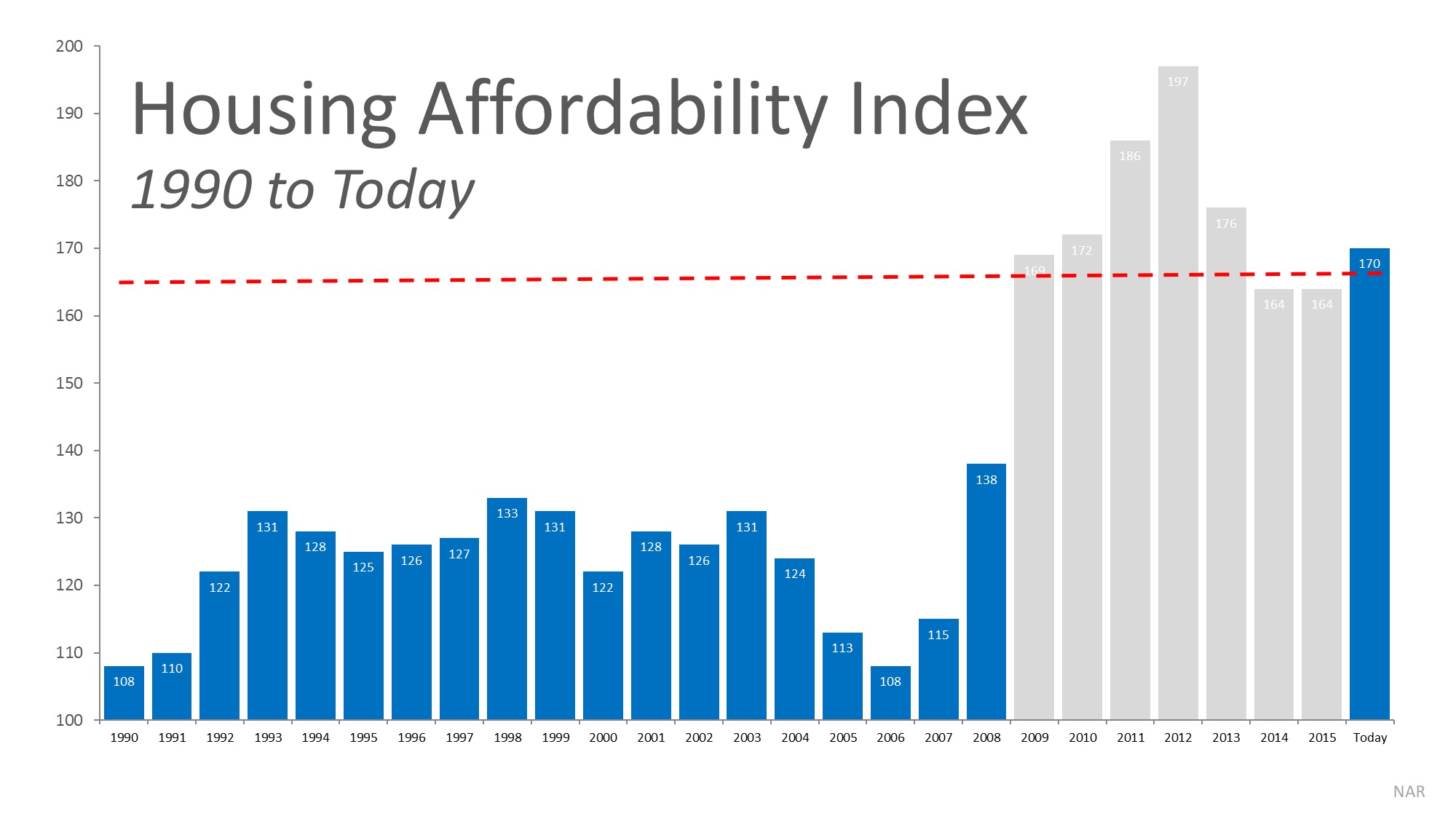
However, let’s remove the crisis years and look at the current index as compared to the index from 1990 – 2008:
Will Housing Affordability Be a Challenge in 2017? | MyKCM
We can see that, even though prices have increased, mortgage rates are still lower than historical averages and have put the index in a better position than every year for the nineteen years before the crash.

Bottom Line

The Housing Affordability Index is in great shape and should not be seen as a challenge to the real estate market’s continued recovery.

Tuesday, December 13, 2016

Analysts project significant appreciation in the housing market, over the next 5 years...

Home Prices: Where Will They Be in 5 Years?

Home Prices: Where Will They Be in 5 Years? | MyKCM
Today, many real estate conversations center on housing prices and where they may be headed. That is why we like the Home Price Expectation Survey.
Every quarter, Pulsenomics surveys a nationwide panel of over one hundred economists, real estate experts, and investment & market strategists about where they believe prices are headed over the next five years. They then average the projections of all 100+ experts into a single number.

The results of their latest survey:

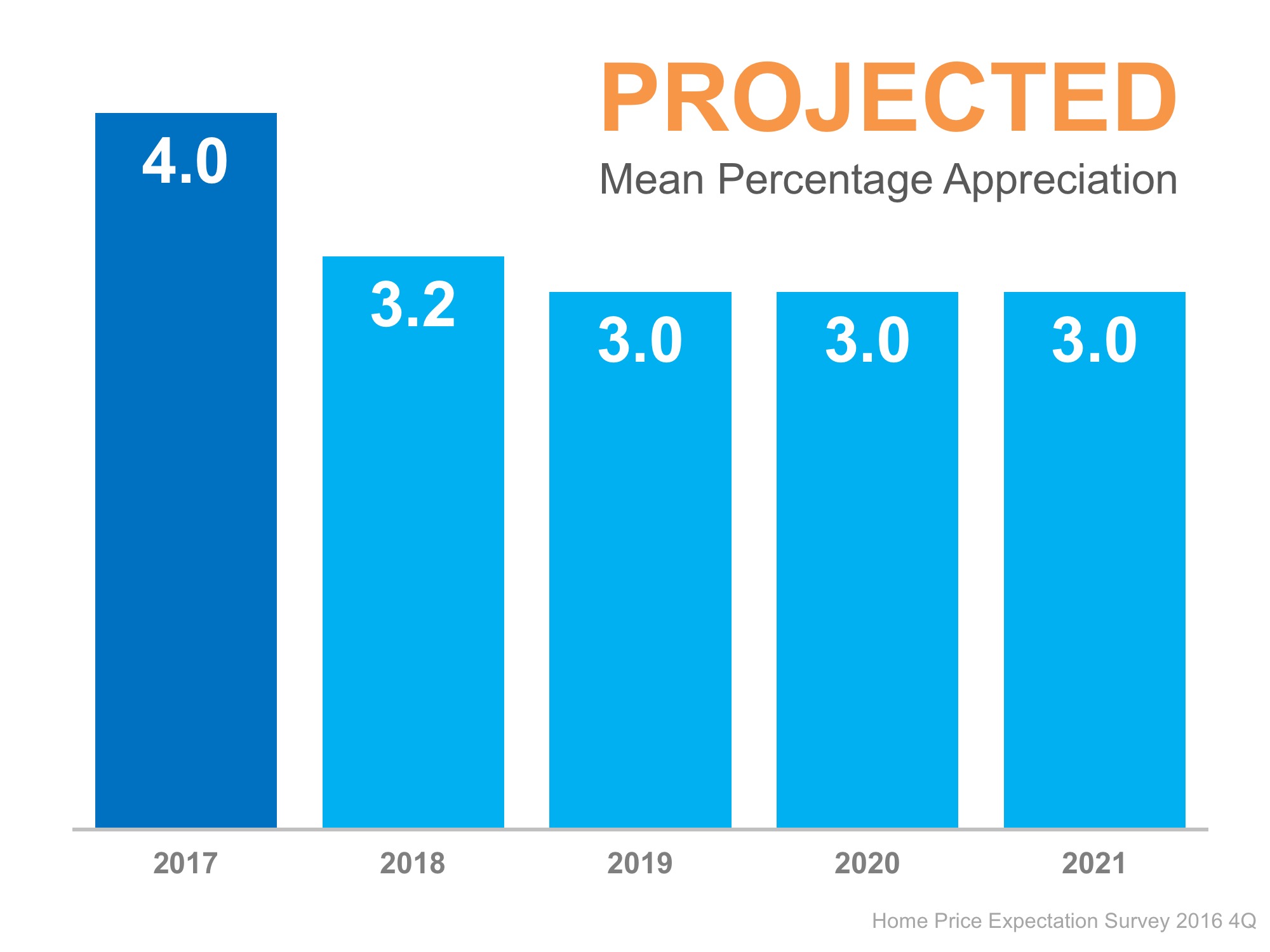
Home values will appreciate by 4.0% over the course of 2017, 3.2% in 2018 and 3.0% the next three years (as shown below). That means the average annual appreciation will be 3.24% over the next 5 years.
Home Prices: Where Will They Be in 5 Years? | MyKCM
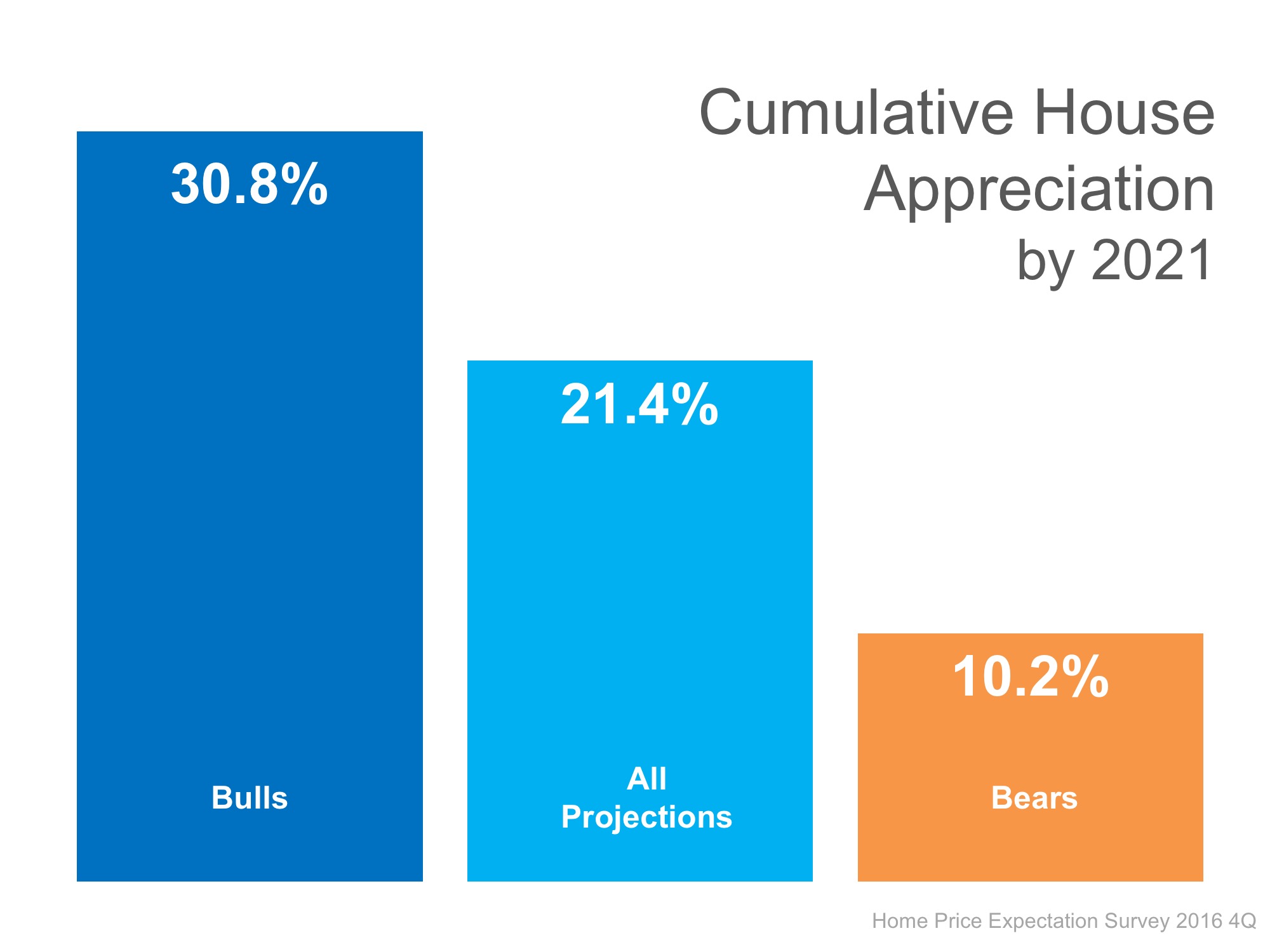
The prediction for cumulative appreciation ticked up from 18.7% to 21.4% by 2021. The experts making up the most bearish quartile of the survey are projecting a cumulative appreciation of 10.2%.
Home Prices: Where Will They Be in 5 Years? | MyKCM

Bottom Line

Individual opinions make headlines. We believe this survey is a fairer depiction of future values.

Thursday, December 8, 2016

Do you know the top 4 reasons why you shouldn't wait to buy a home this winter?

4 Reasons to Buy Your Dream Home This Winter

4 Reasons to Buy Your Dream Home This Winter | MyKCM
As the temperature in many areas of the country starts to cool down, you might think that the housing market will do the same. This couldn’t be further from the truth! Here are 4 reasons you should consider buying your dream home this winter instead of waiting for spring!

1. Prices Will Continue to Rise

CoreLogic’s latest Home Price Index reports that home prices have appreciated by 6.3% over the last 12 months. The same report predicts that prices will continue to increase at a rate of 5.2% over the next year.
The bottom in home prices has come and gone. Home values will continue to appreciate for years. Waiting no longer makes sense.

2. Mortgage Interest Rates are Projected to Increase

Your monthly housing cost is as much related to the price you pay for your home as it is to the mortgage interest rate you secure.
Freddie Mac’s Primary Mortgage Market Survey shows that interest rates for a 30-year mortgage are currently at 4.08%. The Mortgage Bankers Association, Fannie Mae, Freddie Mac & the National Association of Realtors are in unison, projecting that rates will increase by this time next year.
An increase in rates will impact YOUR monthly mortgage payment. A year from now, your housing expense will increase if a mortgage is necessary to buy your next home.

3. Either Way You’re Paying a Mortgage

There are some renters who have not yet purchased a home because they are uncomfortable taking on the obligation of a mortgage. Everyone should realize that, unless you are living with your parents rent free, you are paying a mortgage - either yours or your landlord’s.
As an owner, your mortgage payment is a form of ‘forced savings’ that allows you to have equity in your home that you can tap into later in life. As a renter, you guarantee your landlord is the person with that equity.
Are you ready to put your housing cost to work for you?

4. It’s Time to Move on with Your Life

The ‘cost’ of a home is determined by two major components: the price of the home and the current mortgage rate. It appears that both are on the rise.
But what if they weren’t? Would you wait?
Look at the actual reason you are buying and decide whether it is worth waiting. Whether you want to have a great place for your children to grow up, you want your family to be safer or you just want to have control over renovations, maybe now is the time to buy.

If the right thing for you and your family is to purchase a home this year, buying sooner rather than later could lead to substantial savings.

Tuesday, November 15, 2016

Foreclosures are at their lowest point in 8 years, buyer availability is at its' highest point in 8 years. Combined, that means a shortage of inventory in the market...


A Lack of Listings Remains 'Huge' Challenge in the Market


A Lack of Listings Remains ‘Huge’ Challenge in the Market | MyKCM
The housing crisis is finally in the rearview mirror as the real estate market moves down the road to a complete recovery. Home values are up, home sales are up, and distressed sales (foreclosures & short sales) are at their lowest mark in over 8 years. This has been, and will continue to be, a great year for real estate.
However, there is one thing that may cause the industry to tap the brakes: a lack of housing inventory. According to the National Association of Realtors (NAR), buyer traffic and demand continues to be the strongest it has been in years. The supply of homes for sale has not kept up with this demand and has driven prices up in many areas as buyers compete for their dream home.
Traditionally, the winter months create a natural slowdown in the market. Jonathan Smoke, Chief Economist at realtor.com, points to low interest rates as one of the many reasons why buyers are still out in force looking for a home of their own.
“Overall, the fundamental trends we have been seeing all year remain solidly in place as we enter the traditionally slower sales season, and pent-up demand remains substantial as buyers seek to get a home under contract while rates remain so low.”
NAR’s Chief Economist, Lawrence Yun, points out that the inventory shortage we are currently experiencing isn’t a new challenge by any means:
"Inventory has been extremely tight all year and is unlikely to improve now that the seasonal decline in listings is about to kick in. Unfortunately, there won't be much relief from new home construction, which continues to be grossly inadequate in relation to demand."

Bottom Line

Healthy labor markets and job growth have created more and more buyers who are not just ready and willing to buy but are also able to. If you are debating whether or not to put your home on the market this year, now is the time to take advantage of the demand in the market.

Thursday, September 22, 2016

Mortgage availability, demand for housing, and new home starts are all increasing. Positive signs for a strengthening housing market...


5 Stats That Prove the Real Estate Market Is Getting Stronger


5 Stats that Prove the Real Estate Market is Getting Stronger | MyKCM
Whenever there is talk about an improving housing market, some begin to show concern that we may be headed toward another housing bubble that will be followed by a crash similar to the one we saw last decade.
Here are five data points that show the housing market will continue to recover, and that a new housing crisis is not about to take shape.
1) Mortgage availability is increasing, but is nowhere near the levels we saw in 2004-2006.
A buyer’s chances of being approved for a mortgage have increased over the last three years; That’s good news for the market. This is not a precursor to another challenge, as many experts maintain that it is still too difficult for many buyers to attain house financing.
As Jonathan Smoke, the Chief Economist of realtor.com, recently explained:
“The havoc during the last cycle was the result…of speculation fueled by loose credit. That’s the exact opposite of what we have today.”
2) The Housing Affordability Index, which measures whether or not a typical family earns enough income to qualify for a mortgage loan on a typical home, based on the most recent price and income data. The current index shows that it is more affordable to buy a home today than at any other time between 1990 and 2008. With median incomes finally beginning to rise, houses should continue to remain affordable and housing demand should remain strong.
3) Home prices are well within historic norms. Prices have increased substantially over the last several years; However, those increases followed the housing crash of 2008 and national prices are still not back to 2006 levels. If there were no bubble (and subsequent bust), today’s prices would actually be lower than if they were measured by historic appreciation levels from 1987-1999.
4) Demand for housing, as measured by new household formations, is growing. The Urban Land Institute projects that 5.95 million new households will be formed over the next three years. Even if the homeownership rate drops to 60%, that would be over 3.5 million new homeowners entering the market.
5) New home starts are finally beginning to increase. This helps eliminate the number one challenge in the industry – lack of inventory. And it does so in two ways:
  1. Some first time buyers will, in fact, purchase a newly constructed home.
  2. Many current homeowners will move-up (or move-down) to a new construction and then put their current home on the market.
This means that there will be an increase in both new construction and existing home inventories.

Wednesday, August 3, 2016

Summer has brought the heat and homebuyers...

Home Sales Accelerate During The “Dog Days of Summer”

Home Sales Accelerate During The “Dog Days of Summer” [INFOGRAPHIC] |MyKCM

Some Highlights:

  • Existing home sales have accelerated to the highest pace since February 2007 at an annual pace of 5.57 million.
  • Inventory of homes for sale remains below the historically normal 6-month mark at a 4.6-month supply, down 5.8% year-over-year.
  • Median home sales prices rose to $247,700, 4.8% higher than a year ago and replaced the previous peak in May of $238,900.