Sunday, November 18, 2018

Trying to decide if you should buy now, or wait until the spring? Here are some points to consider...

Should I Buy Now? Or Wait Until Next Year? [INFOGRAPHIC]

Should I Buy Now? Or Wait Until Next Year? [INFOGRAPHIC] | MyKCM

Some Highlights:

  • The cost of waiting to buy is defined as the additional funds it would take to buy a home if prices & interest rates were to increase over a period of time.
  • Freddie Mac predicts interest rates to rise to 5.2% by the third quarter of 2019.
  • CoreLogic predicts home prices to appreciate by 5.1% over the next 12 months.
  • If you are ready and willing to buy your dream home, find out if you are able to!

Saturday, November 17, 2018

The average age of a first-time home buyer is now 32 - which falls right in line with Millennials. Watch for these buyers to start having a big impact on the housing market, as they step away from renting...

The Wave of Millennial Homebuyers Continues to Swell

The Wave of Millennial Homebuyers Continues to Swell | MyKCM
Many have written about the millennial generation and whether or not they, as a whole, believe in homeownership as a part of attaining their American Dream.
Comparatively speaking, millennials have taken longer to obtain traditional milestones (like getting married, having kids and buying a home) than generations before them, but that does not mean that they do not aspire to still achieve those things.
For older millennials (aged 25-34) who have established themselves in their career and are starting to build their families, homeownership is the next logical choice.
According to the Urban Institute’s State of Millennial Housing, the probability of a millennial becoming a homeowner increases by 17.9% if they are married, and by an additional 6.2% if they have children.
Last year, according to the US Census Bureau, the average age at first marriage was 30 for men and 27 for women, while the National Association of Realtors (NAR) reports that the average first-time homebuyer was 32 years old.
With most of this generation having yet to age into the ‘Responsibility Zone’ (the time in their lives when their responsibilities start to dictate their behaviors), there will be a steady wave of buyers for years to come!
Those who are currently out in the market searching for a home are being met with a strong, highly competitive seller’s market. NAR’s Chief Economist Lawrence Yun recently commented,
“Realtors® throughout the country continue to stress that there’s considerable pent-up demand for buying a home among the millennial households in their market.  
Unfortunately, they’re just not making meaningful ground, and continue to be held back by too few choices in their price range, and thereby missing out on homeownership and wealth gains.”

Bottom Line

If you are currently renting and thinking about jumping into the real estate market this year, let’s get together to help you navigate our market.

Friday, November 16, 2018

Since 2013, Americans have consistently ranked real estate at the best investment to make.

Americans Rank Real Estate Best Investment for 5 Years Running! [INFOGRAPHIC]

Americans Rank Real Estate Best Investment for 5 Years Running! [INFOGRAPHIC] | MyKCM

Some Highlights:

  • Real estate has outranked stocks/mutual funds, gold, savings accounts/CDs, and bonds as the best long-term investment among Americans for the last 5 years!
  • The generations agree! Real estate is the best investment!
  • Generation X leads the way with 37% believing in real estate as the top investment.

Thursday, November 15, 2018

Home prices have risen over the past few years, creating a higher number of "equity rich" homeowners than earlier in the decade...

25% of Homes with a Mortgage are Now Equity Rich!

25% of Homes with a Mortgage are Now Equity Rich! | MyKCM
Rising home prices have been in the news a lot lately and much of the focus has been on whether home prices are accelerating too quickly, as well as how sustainable the growth in prices really is. One of the often-overlooked benefits of rising prices, however, is the impact that they have on a homeowner’s equity position.
Home equity is defined as the difference between the home’s fair market value and the outstanding balance of all liens (loans) on the property. While homeowners pay down their mortgages, the amount of equity they have in their homes climbs each time the value of their homes go up!
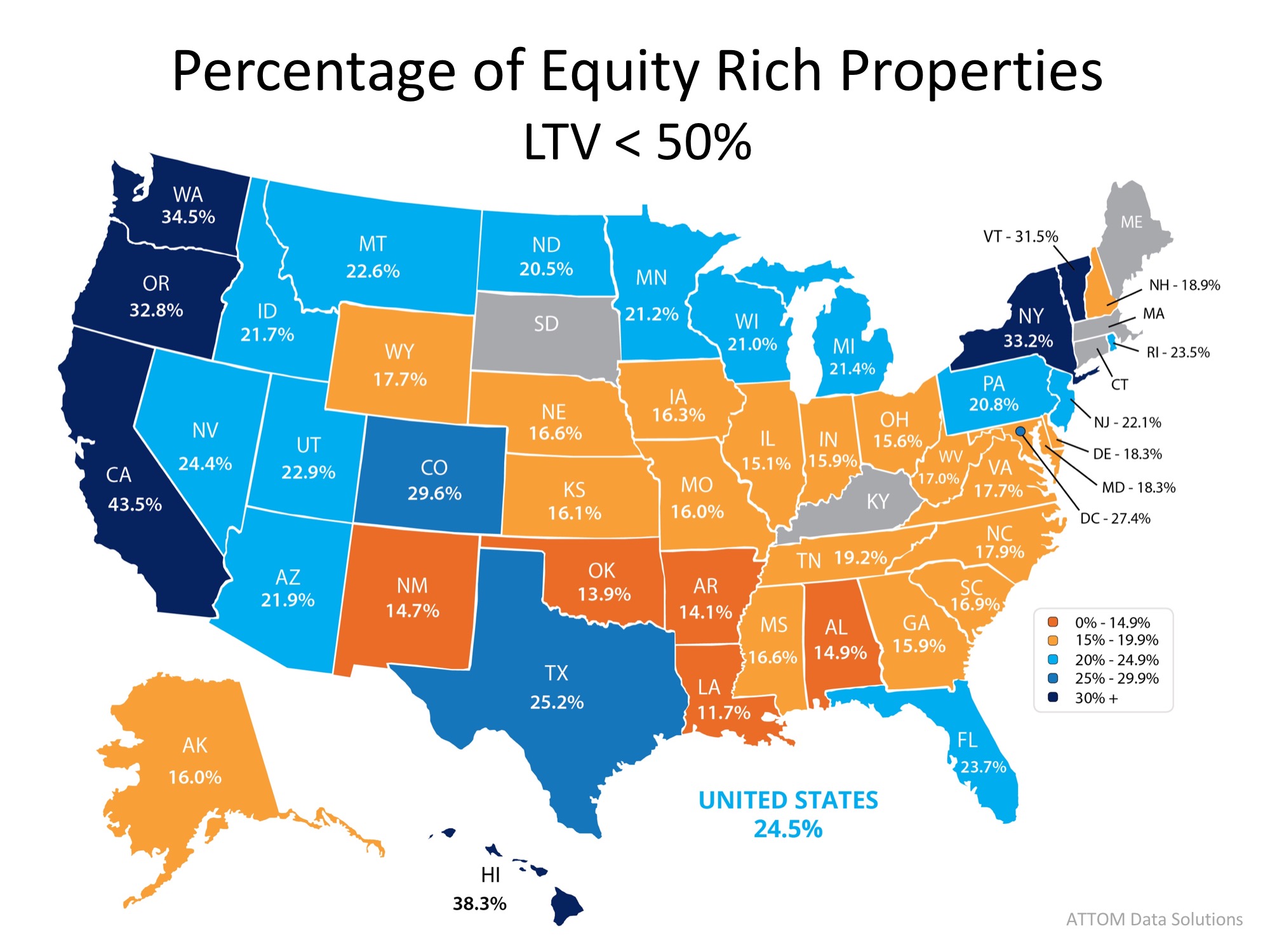
According to the latest Equity Report from ATTOM Data Solutions, “13.9 million U.S. properties in Q2 2018 were equity rich — where the combined estimated balance of loans secured by the property was 50 percent or less of the property’s estimated market value — representing 24.9% of all U.S. properties with a mortgage.”
This means that nearly a quarter of Americans who have a mortgage would be able to sell their homes and have a significant down payment toward their next home. Many who sell could also use their new-found equity to pay off high-interest credit cards or help children with tuition costs.
The map below shows the percentage of properties with a mortgage in each state that were equity rich in Q2 2018.
25% of Homes with a Mortgage are Now Equity Rich! | MyKCM

Bottom Line

If you are a homeowner looking to take advantage of your home equity by moving up to your dream home, let’s get together to discuss your options!

Wednesday, November 14, 2018

Do you know any Veterans or active military personnel that would like to buy a home? The VA loan program has some terrific benefits, and is exclusive to these folks! Questions? Contact me!!

VA Home Loans by the Numbers [INFOGRAPHIC]

VA Home Loans by the Numbers [INFOGRAPHIC] | MyKCM

Some Highlights:

  • The Veterans Administration (VA) Home Loan is a benefit that is available to more than 22 million veterans & 2 million active duty service members which helps them achieve their dreams of homeownership.
  • In 2017, $189 billion was loaned to veterans and their families through the program.
  • VA Purchase Loans are on the rise in 46 out of 50 states and Washington, DC

Wednesday, November 7, 2018

If you are still in your first home, and busting at the seams, now may be a good time to act on upgrading!

Have You Outgrown Your Starter Home?

Have You Outgrown Your Starter Home? | MyKCM
For many Americans, buying their first home is their first taste of achieving part of the American Dream. There is a sense of pride that comes along with owning your own home and building your family’s wealth through your monthly mortgage payment.
It may seem hard to imagine that the first home you purchased (which made your dreams come true) might not be the home that will allow you to achieve the rest of your dreams. The good news is that it’s ok to admit that your home no longer fits your needs!
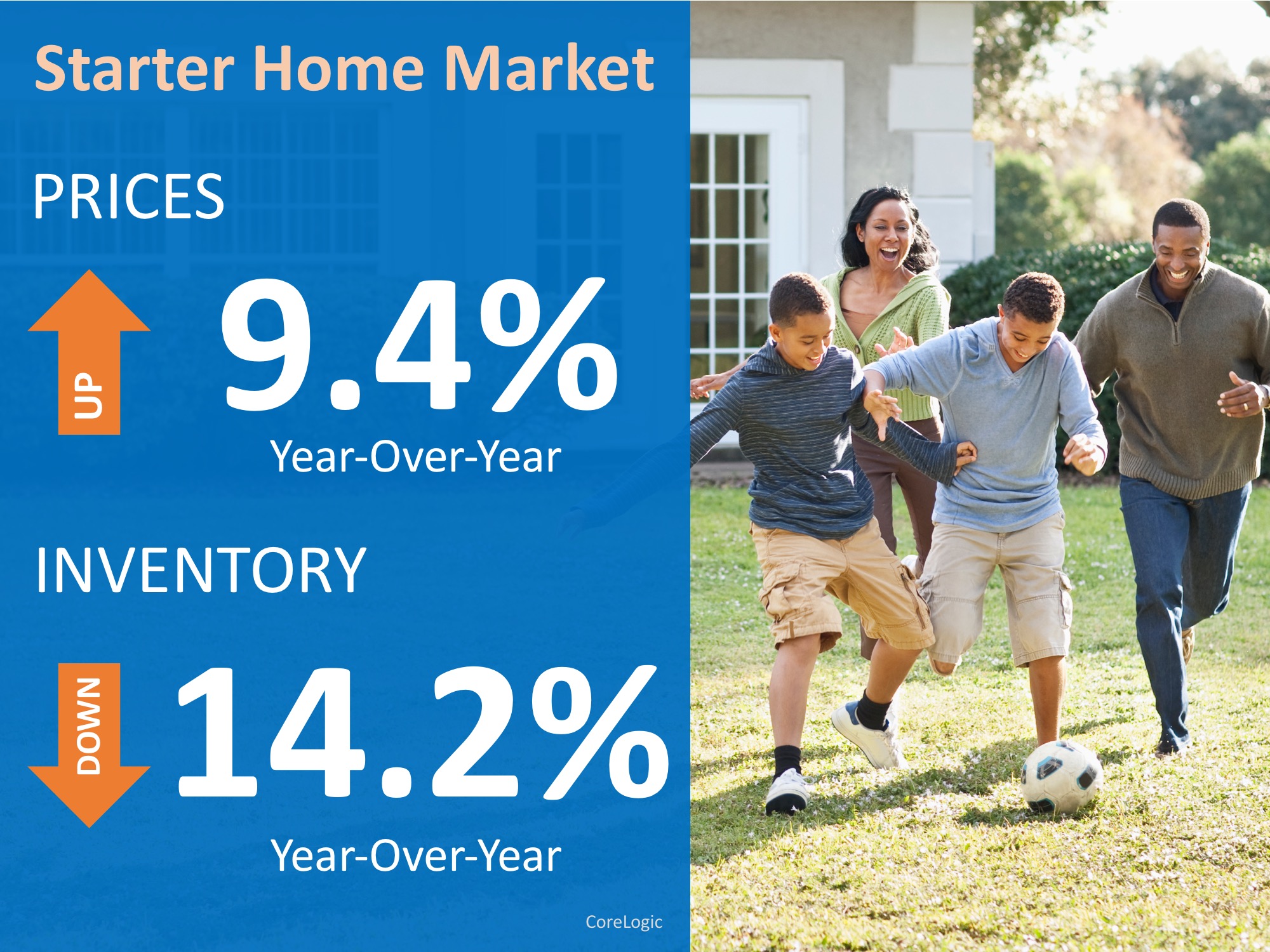
According to CoreLogic’s latest Home Price Index, prices in the starter home market have appreciated faster than any other category over the last year, at 9.4%. At the same time, inventory in this category has dropped 14.2%.
Have You Outgrown Your Starter Home? | MyKCM
These two stats are directly related to one another. As inventory has decreased and demand has increased, prices have been driven up.
This is great news if you own a starter home and are looking to move up to a larger home as the equity in your home has risen as prices have gone up. Even better is the fact that there is a large pool of buyers out there searching for your starter home to help them achieve their American Dream!

Bottom Line

If you have outgrown your starter home, contact a local real estate professional who can explain the market conditions in your area and help you find your next home!

Monday, November 5, 2018

Ten years ago, the housing market began it's downward spiral. The question has been raised if we couldn't be looking at a re-occurence, however there are some big differences between 2008 and 2018...

Housing Market: Another Gigantic Difference Between 2008 and 2018

Housing Market: Another Gigantic Difference Between 2008 and 2018 | MyKCM
Some are attempting to compare the current housing market to the market leading up to the “boom and bust” that we experienced a decade ago. They look at price appreciation and conclude that we are on a similar trajectory, speeding toward another housing crisis.
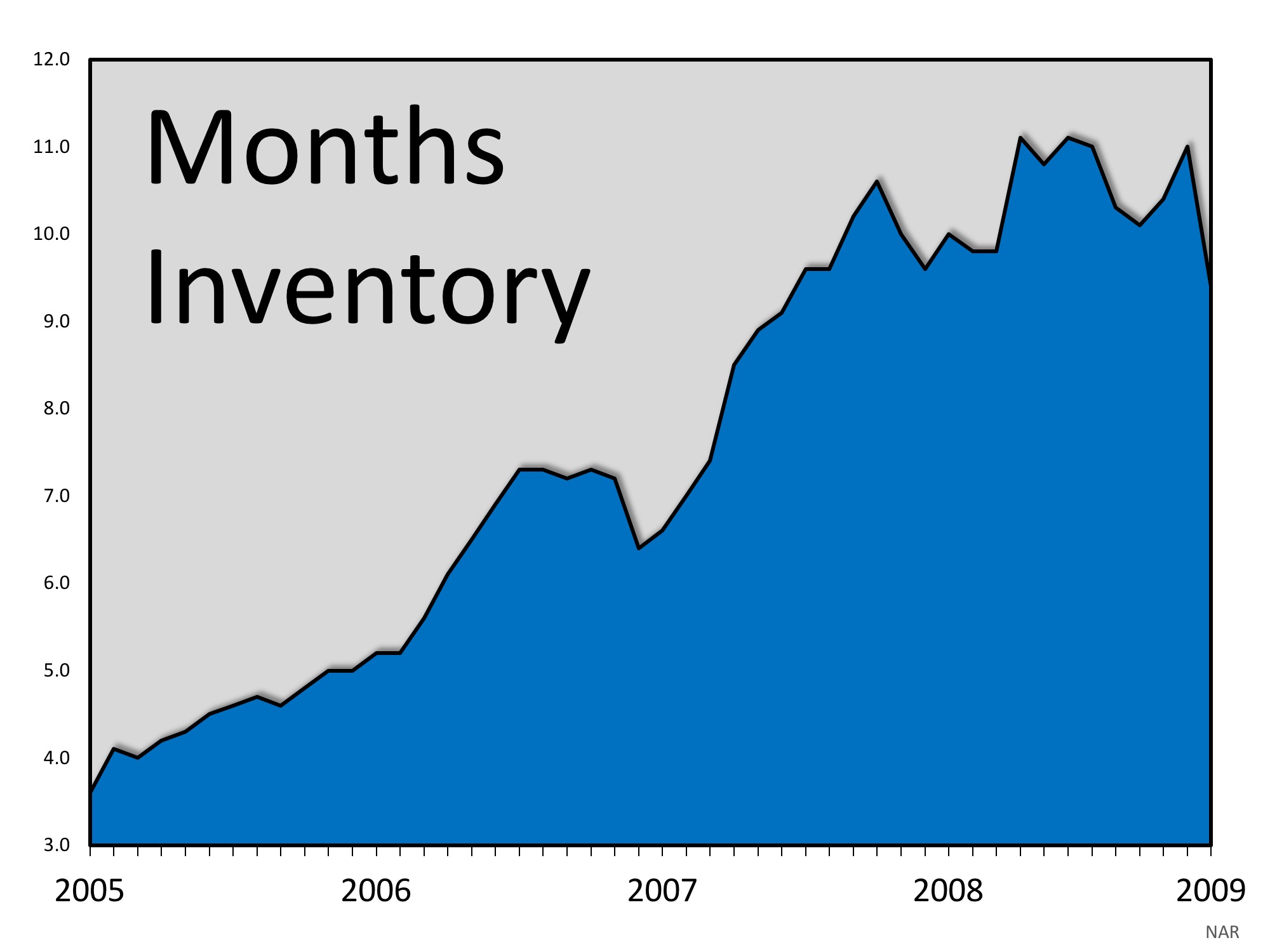
However, there is a major difference between the two markets. Last decade, while demand was being artificially created by extremely loose lending standards, a tremendous amount of inventory was coming to the market to satisfy that demand. Below is a graph of the inventory of homes available for sale leading up to the 2008 crash.

Housing Market: Another Gigantic Difference Between 2008 and 2018 | MyKCM
A normal market should have approximately 6 months supply of housing inventory. As we can see, that number jumped to over 11 months supply leading up to the housing crisis. When questionable mortgage practices ceased, and demand dried up, there was a glut of inventory on the market which caused prices to drop as there was too much supply and not enough demand.

Today is radically different!

There are those who believe that low mortgage rates have created an artificial demand in the current market. They fear that if mortgage rates continue to rise, some of the current demand will dry up (which is a possibility).
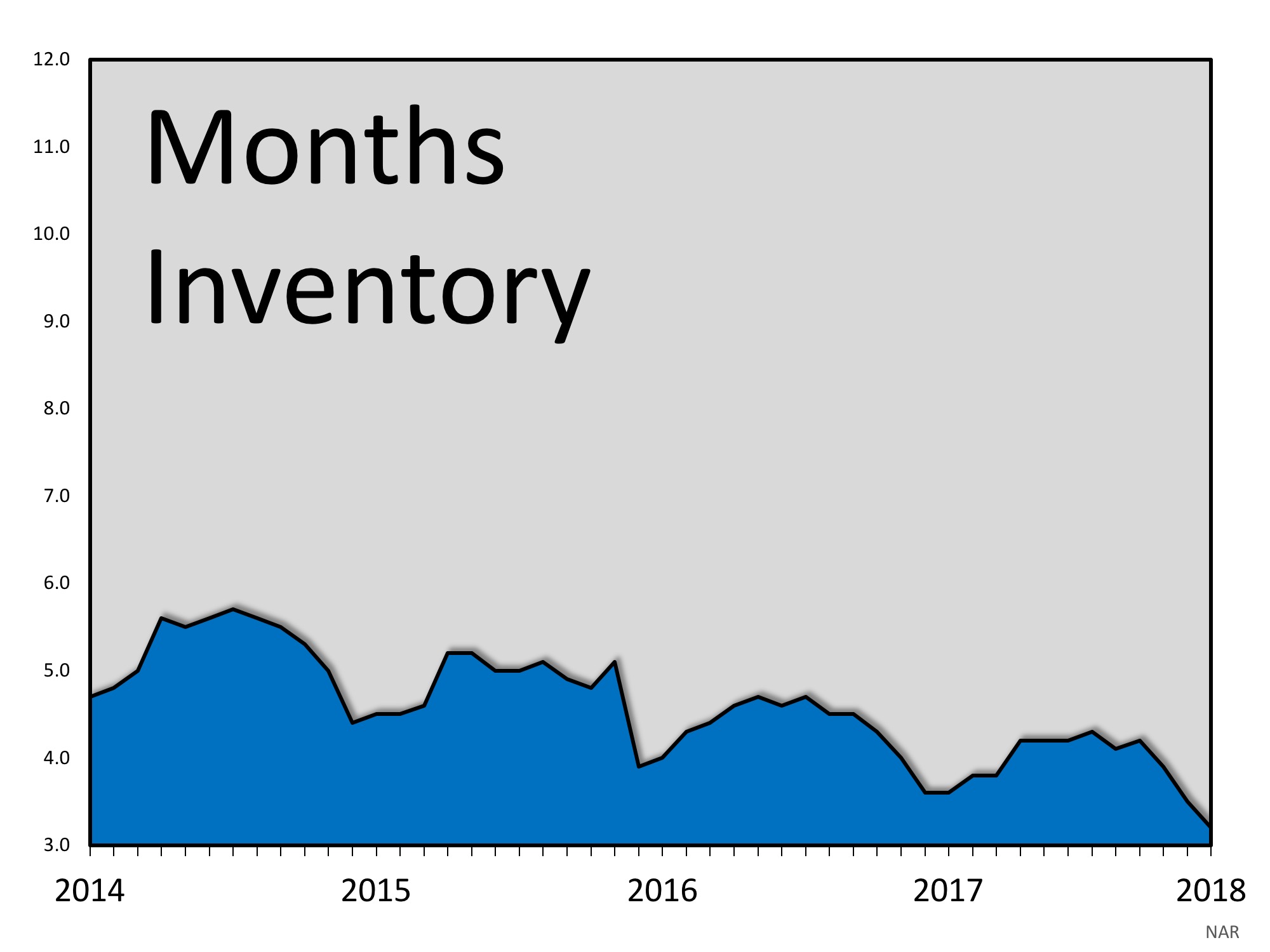
However, if we look at supply again, we can see that the current supply of homes is well below the norm of 6 months.
Housing Market: Another Gigantic Difference Between 2008 and 2018 | MyKCM

Bottom Line

We will not have a glut of inventory like we did back in 2008 and home values won’t come tumbling down. Instead, if demand weakens, we will return to a normal market (approximately a 6-month supply) with historic levels of appreciation (3.6% annually).