Showing posts with label home mortgage financing. Show all posts

Monday, October 8, 2018

Could mortgage rates rise above 5% next year?

Where Are Mortgage Interest Rates Headed In 2019?

Where Are Mortgage Interest Rates Headed In 2019? | MyKCM
The interest rate you pay on your home mortgage has a direct impact on your monthly payment; the higher the rate, the greater the payment will be. That is why it is important to know where rates are headed when deciding to start your home search.
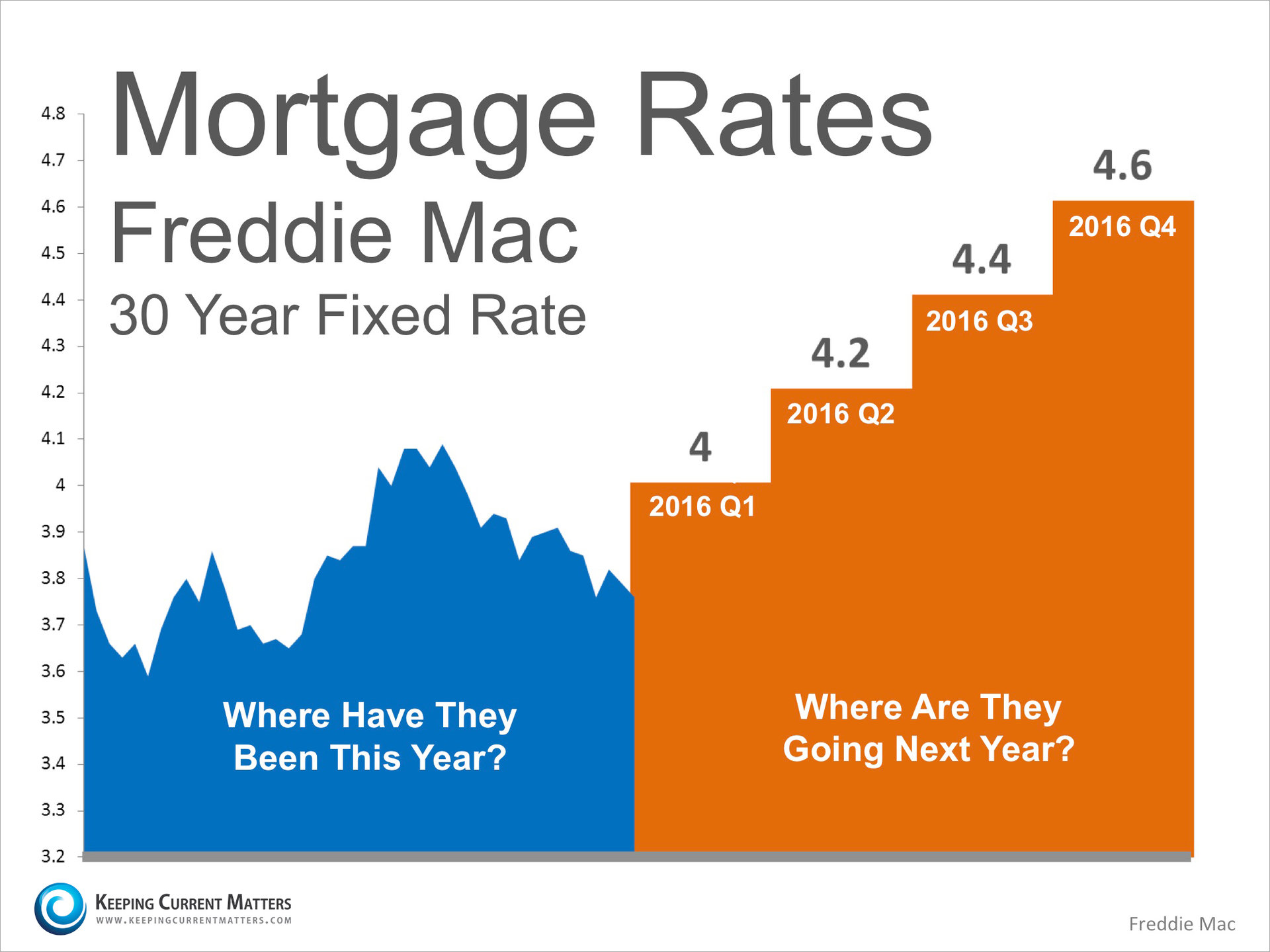
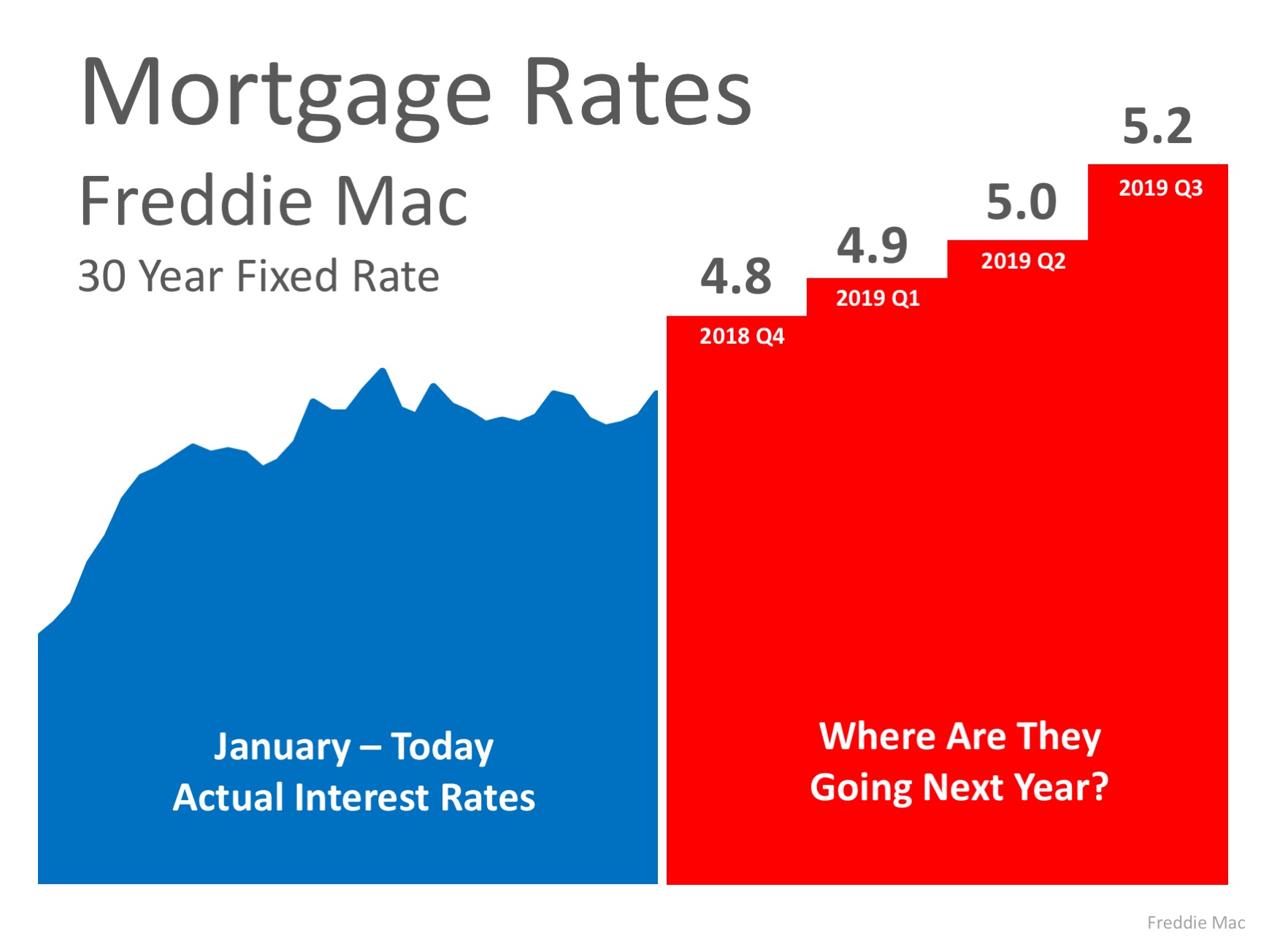
Below is a chart created using Freddie Mac’s U.S. Economic & Housing Marketing Outlook. As you can see, interest rates are projected to increase steadily over the course of the next year.
Where Are Mortgage Interest Rates Headed In 2019? | MyKCM

How Will This Impact Your Mortgage Payment?

Depending on the amount of the loan that you secure, a half of a percent (.5%) increase in interest rate can increase your monthly mortgage payment significantly.
According to CoreLogic’s latest Home Price Index, national home prices have appreciated 6.2% from this time last year and are predicted to be 5.1% higher next year.
If both the predictions of home price and interest rate increases become a reality, families would wind up paying considerably more for their next homes.

Bottom Line

Even a small increase in interest rate can impact your family’s wealth, so don’t wait until next year! Let’s get together to evaluate your ability to purchase your dream home now.

Friday, January 8, 2016

I want to buy a home. But I can't because...

Most renters want to buy a home, however they are reluctant to begin the buying process due to their concerns over lack of a down payment, poor credit scores or a debt ratio that may be too high. The reality of those concerns, is that many of them can be resolved. 
 

Obstacles to Homeownership: Perceived or Real? | Keeping Current Matters
Yesterday, we discussed the belief Americans have in homeownership and their desire to partake in this piece of the American Dream. We also discussed some of the obstacles preventing them from attaining that goal. However, studies have shown that many of the obstacles mentioned are perceived, not real.
A recent study by Fannie Mae, What Do Consumers Know About The Mortgage Qualification Criteria?, revealed that many consumers are either unsure or misinformed regarding the minimum requirements necessary to obtain a mortgage. Let’s break down three such challenges.

Down Payment

Perceptions

Many renters have mentioned that the lack of an adequate down payment is preventing them from moving forward with the purchase of a home. According to the Fannie Mae report:
  • 40% of all renters don’t know what down payment is required
  • 15% think you need at least 20% down
  • An additional 4% think you need at least 10% down

The Reality

There are programs offered by Fannie Mae, Freddie Mac and FHA that require as little as 3-3.5% down. VA and USDA loans offer 0% down programs. According to the National Association of Realtors, the typical down payment for a first time buyer is 6%.

Credit Score

Perceptions

Many renters have mentioned that the lack of an adequate credit score is preventing them from moving forward with the purchase of a home. According to the Fannie Mae report:
  • 54% of all renters don’t know what credit score is required
  • 5% think you need at least a 740 credit score

The Reality

Many mortgages are granted to purchasers with a credit score of less than 700. According to Ellie Mae, the average credit score on a closed FHA purchase is 687 and the average credit score on all loans is 722.

Back End Debt-to-Income Ratio (DTI)

Perceptions

Many renters have mentioned that they carry too much debt which is preventing them from moving forward with the purchase of a home. According to the Fannie Mae report:
  • 59% of all renters don’t know what DTI is acceptable
  • 25% think you need at under 25%
  • 7% think you need under 39%

The Reality

Lenders like to see a back-end ratio that does not exceed 36%. Fannie Mae’s maximum total DTI ratio is 36% of the borrower’s stable monthly income. The maximum can be exceeded up to 45% based on credit score and other requirements.

Bottom Line

Don't let a lack of knowledge or misinformation keep your family from buying a home this year. Meet with a local real estate professional who can evaluate your ability to buy now!

Friday, December 18, 2015

How long will it take...

Depending on your housing region, it may take a lot longer to save up for a down payment on a house than you had anticipated. But what if you look at other mortgage options that require a lower down payment? You could shorten that wait by years... 
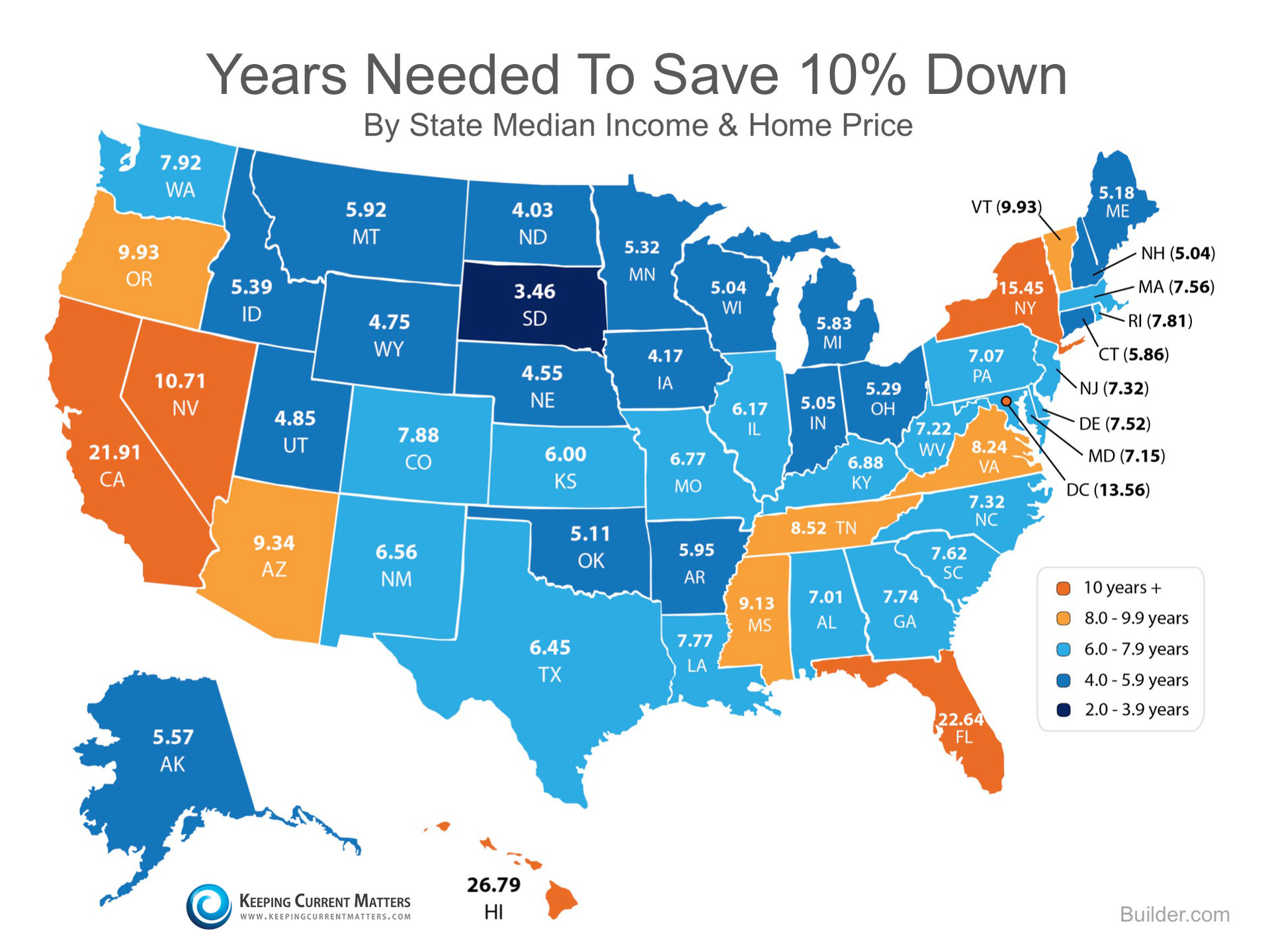
 How Long Does It Take To Save A Down Payment? | Keeping Current Matters In a recent study conducted by Builder.com, researchers determined that nationwide it would take “nearly eight years” for a first-time buyer to save enough for a down payment on their dream home.
Depending on where you live, median rents, incomes and home prices all vary. By determining the percentage a renter spends on housing in each state and the amount needed for a 10% down payment, they were able to establish how long (in years) it would take for an average resident to save.
According to the study, residents in South Dakota are able to save for a down payment the quickest in just under 3.5 years. Below is a map created using the data for each state:
Years Needed to Save 10% Down | Keeping Current Matters

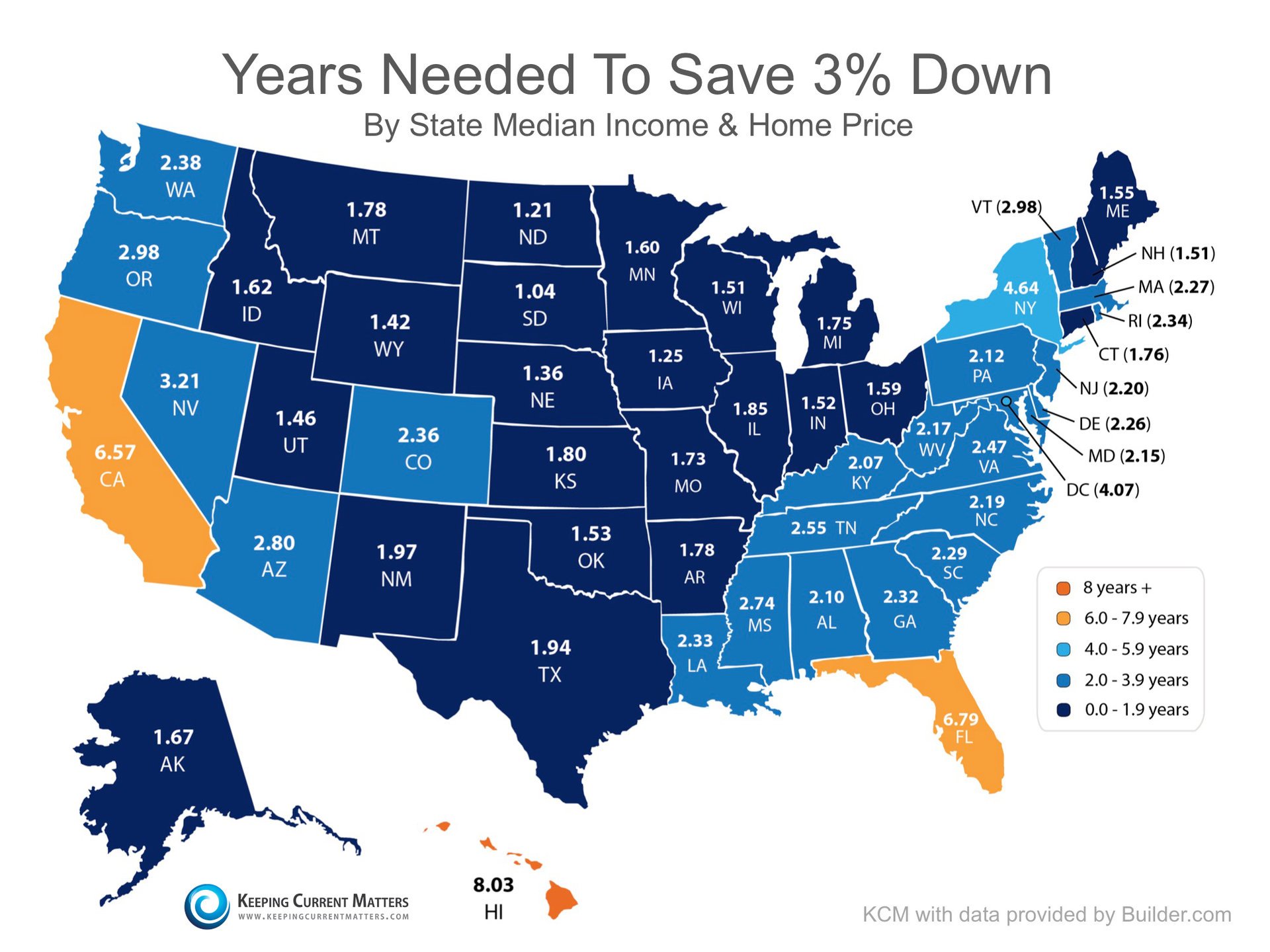
What if you only needed to save 3%?

What if you were able to take advantage of one of the Freddie Mac or Fannie Mae 3% down programs? Suddenly saving for a down payment no longer takes 5 or 10 years, but becomes attainable in under two years in many states as shown in the map below.
Years Needed to Save 3% Down | Keeping Current Matters

Bottom Line

Whether you have just started to save for a down payment, or have been for years, you may be closer to your dream home than you think! Meet with a local real estate professional who can help you evaluate your ability to buy today.

Thursday, December 3, 2015

Prices AND mortgage rates are projected to rise in 2016. Waiting will cost you money...


Prices and Mortgage Rates Going Up in 2016 | Keeping Current Matters
The monthly mortgage payment on a home is determined by two elements: the price of the house and the interest rate you pay on your mortgage. Recently released reports are revealing that the experts expect both elements to increase in 2016.

HOME PRICES

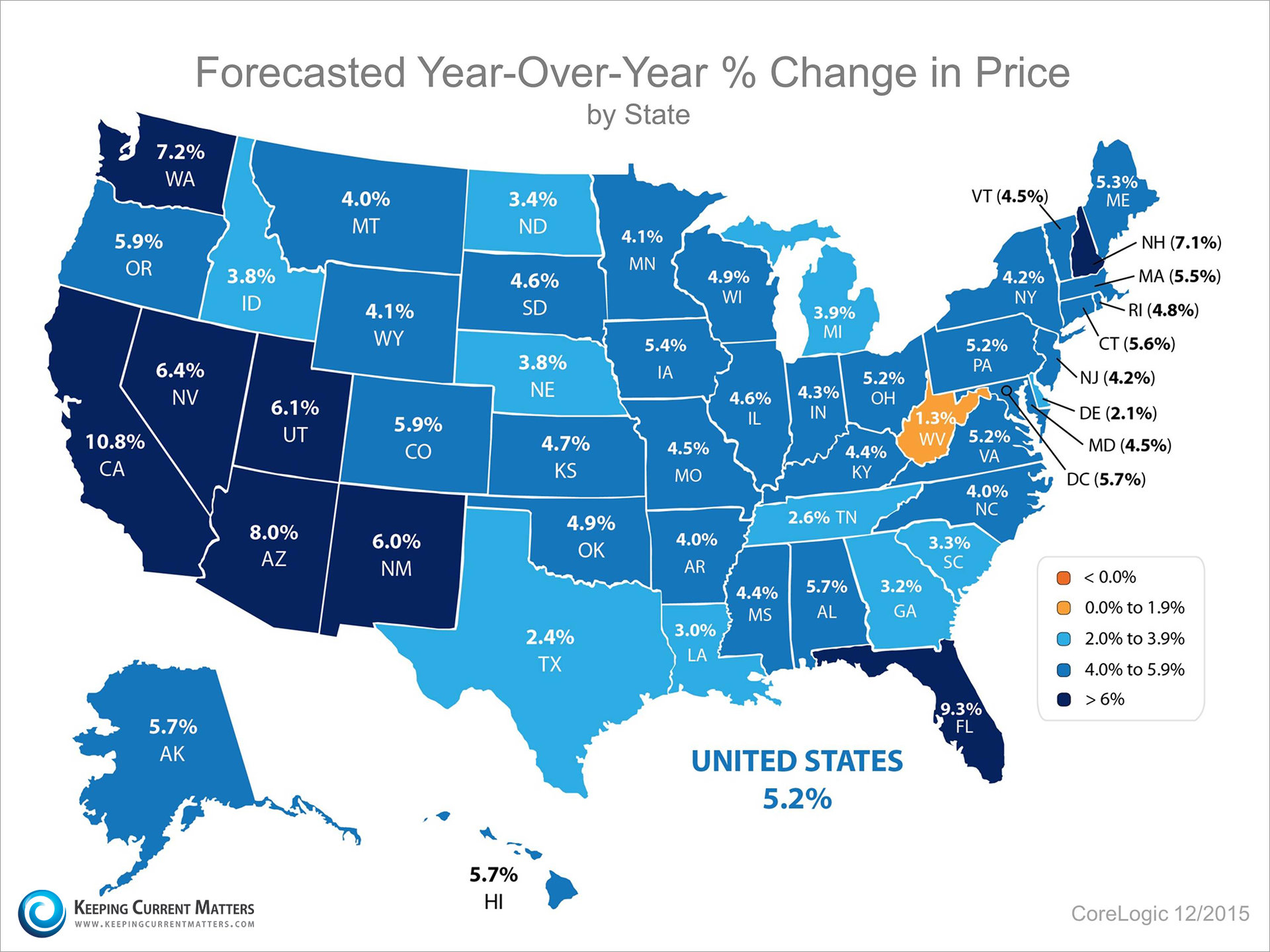
CoreLogic has projected a nationwide 5.2% home value appreciation for the next twelve months. Here is their breakdown by state:
Pricing Forecast | Keeping Current Matters

MORTGAGE INTEREST RATES

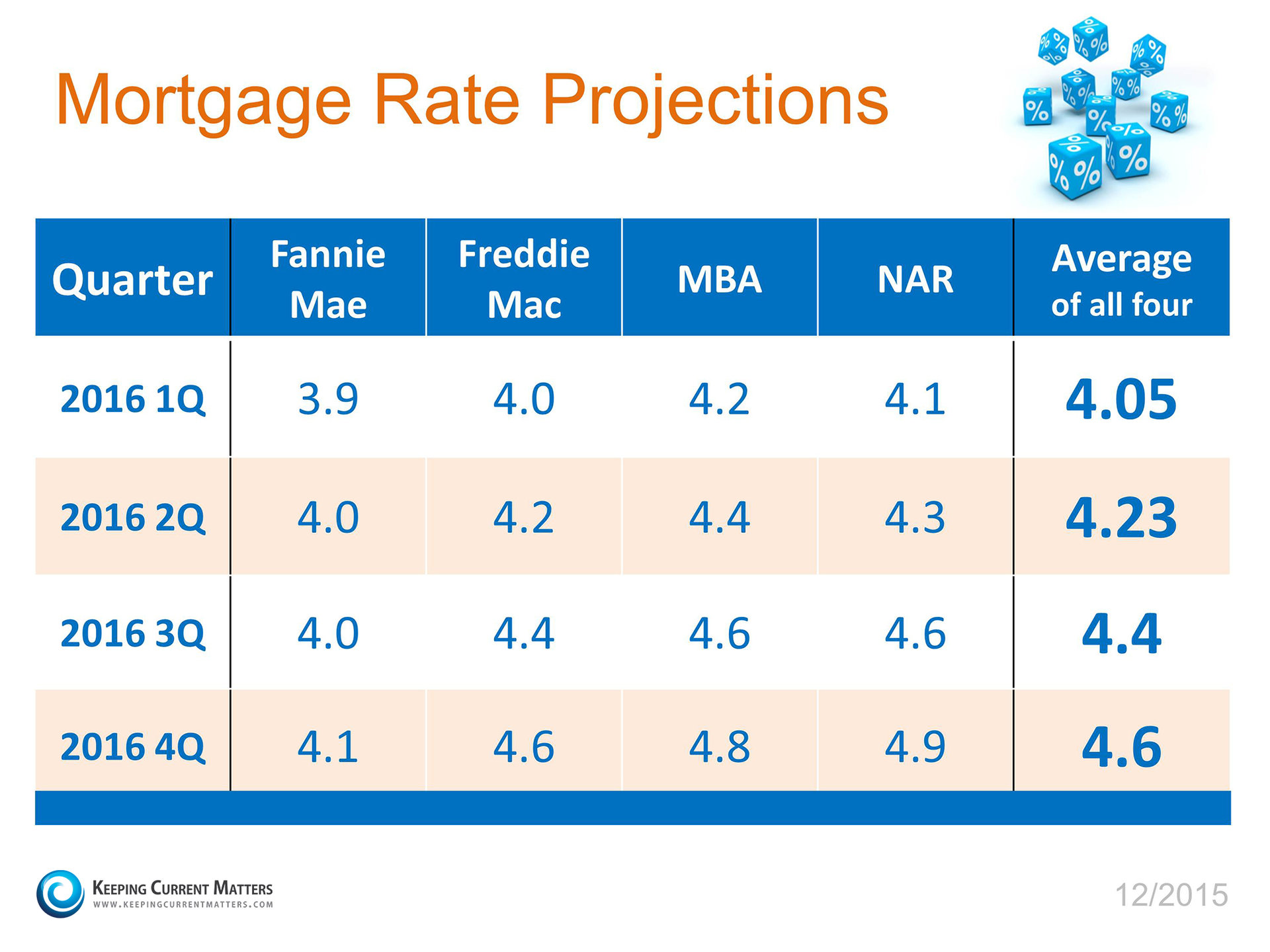
All four of the entities that provide projections on mortgage interest rates agree: they’re going up in 2016. Here are the predictions over the next four quarters:
Interest Rates | Keeping Current Matters

Bottom Line

With both home values and interest rates projected to increase over the next twelve months, buying (or moving-up), sooner rather than later, makes sense.

Monday, November 9, 2015

Mortgage rates are on the way up...


Where Are Mortgage Rates Headed? This Winter? Next Year? | Keeping Current Matters
The interest rate you pay on your home mortgage has a direct impact on your monthly payment. The higher the rate the greater the payment will be. That is why it is important to look at where rates are headed when deciding to buy now or wait until next year.
Below is a chart created using Freddie Mac’s October 2015 U.S. Economic & Housing Marketing Outlook. As you can see interest rates are projected to increase steadily over the course of the next 12 months.
Mortgage Rate Projections | Keeping Current Matters

How Will This Impact Your Mortgage Payment?

Depending on the amount of the loan that you secure, a half of a percent (.5%) increase in interest rate can increase your monthly mortgage payment significantly.
According to CoreLogic’s latest Home Price Index, national home prices have appreciated 6.4% from this time last year and are predicted to be 4.7% higher next year.
If both the predictions of home price and interest rate increases become reality, families would wind up paying considerably more for their next home.

Bottom Line

Even a small increase in interest rate can impact your family’s wealth. Meet with a local real estate professional to evaluate your ability to purchase your dream home.

Friday, November 6, 2015

Fannie Mae projects an increase in housing starts, home sales AND interest rates...


Fannie Mae Housing Market [INFOGRAPHIC] | Keeping Current Mattershttp://goo.gl/ZANKJ6

Some Highlights: 

  • 30-year fixed mortgage rates are projected to increase steadily over the next year.
  • Housing Starts will well surpass 2015 numbers.
  • Home Sales will reach an annual rate of over 6 million by the fourth quarter of 2016.

Friday, October 23, 2015

Spooked out by the home buying process? I can make it a lot less scary!


Buying A Home Can Be Scary... Until You Know the FACTS! [INFOGRAPHIC] | Keeping Current Matters

Some Highlights:

  • 36% of Americans think they need a 20% down payment to buy a home. 44% of Millennials who purchased a home this year have put down less than 10%.
  • 71% of loan applications were approved last month
  • The average credit score of approved loans was 723 in September (the lowest recorded score since Ellie Mae began tracking in August 2011).

Tuesday, October 20, 2015

Why is there so much mortgage paperwork now? It's quite simple...


Applying For A Mortgage: Why So Much Paperwork? | Keeping Current Matters
We are often asked why there is so much paperwork mandated by the bank for a mortgage loan application when buying a home today. It seems that the bank needs to know everything about us and requires three separate sources to validate each and every entry on the application form.
Many buyers are being told by friends and family that the process was a hundred times easier when they bought their home ten to twenty years ago.
There are two very good reasons that the loan process is much more onerous on today’s buyer than perhaps any time in history.
  1. The government has set new guidelines that now demand that the bank prove beyond any doubt that you are indeed capable of affording the mortgage. During the run-up in the housing market, many people ‘qualified’ for mortgages that they could never pay back. This led to millions of families losing their home. The government wants to make sure this can’t happen again
  2. The banks don’t want to be in the real estate business. Over the last seven years, banks were forced to take on the responsibility of liquidating millions of foreclosures and also negotiating another million plus short sales. Just like the government, they don’t want more foreclosures. For that reason, they need to double (maybe even triple) check everything on the application.
However, there is some good news in the situation. The housing crash that mandated that banks be extremely strict on paperwork requirements also allowed you to get a mortgage interest rate probably at or below 4%.
The friends and family who bought homes ten or twenty ago experienced a simpler mortgage application process but also paid a higher interest rate (the average 30 year fixed rate mortgage was 8.12% in the 1990’s and 6.29% in the 2000’s). If you went to the bank and offered to pay 7% instead of <4%, they would probably bend over backwards to make the process much easier.

Bottom Line

Instead of concentrating on the additional paperwork required, let’s be thankful that we are able to buy a home at historically low rates.

Wednesday, September 23, 2015

Is it easier to qualify for a mortgage?

Is Qualifying for a Mortgage Getting Easier? | Keeping Current Matters 

There has been a lot of talk about how difficult it is to get a home mortgage in today’s lending environment. However, three recent reports have revealed that lending standards are beginning to ease. This is great news for both first time buyers and current homeowners looking to move or buy a second vacation/retirement home. Let’s look at the three reports:

The MBA’s Mortgage Credit Availability Index

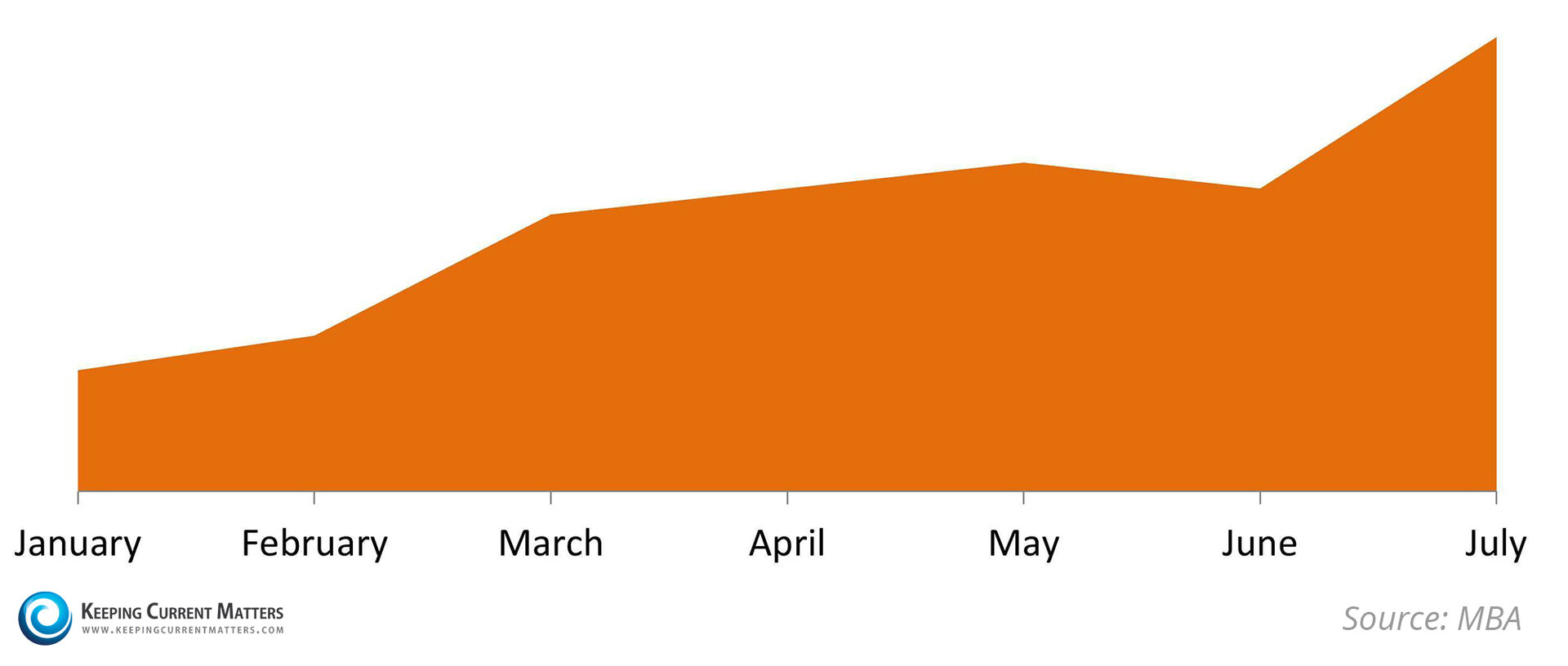
This index, issued by the Mortgage Bankers’ Association, measures the availability of credit available in the home mortgage market. A decline in the MCAI indicates that lending standards are tightening, while increases in the index are indicative of a loosening of credit. We can see that the index has been increasing nicely this year:
Mortgage Credit Availability Index | Keeping Current Matters

Fannie Mae’s latest Mortgage Lender Sentiment Survey

This survey revealed that more lenders report that mortgage lending standards across all loan types are easing. The survey asked senior mortgage executives whether their company’s credit standards have eased, tightened, or remained essentially unchanged during the prior three months. The gap between lenders reporting easing as opposed to tightening over the prior three months jumped to approximately 20%. This represented a new survey high of "net easing." In addition, the share of lenders who expect their organizations to ease credit standards over the next three months also ticked up this quarter.
Doug Duncan, senior vice president and chief economist at Fannie Mae, addressed this easing of standards:
"For the first time in seven quarters, we see a pronounced increase in the share of lenders, particularly medium- and larger-sized lenders, reporting on net an easing of credit standards … This is a significant result in light of public discourse on credit availability and standards … Overall, we expect that lenders' tendency toward easing credit standards, together with relatively low mortgage rates and a strengthening labor market, will continue to support the housing market expansion."

Ellie Mae’s latest Origination Insights Report

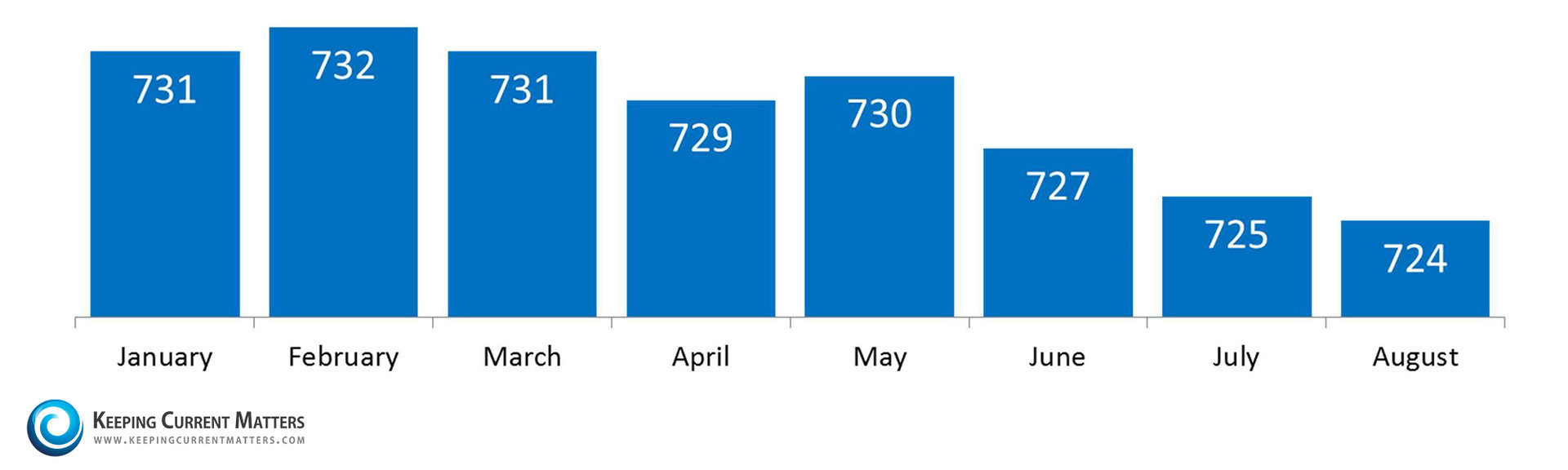
The easing of credit standards is also confirmed in this report which showed that the average FICO score on a closed loan fell to its lowest point in well over a year. Here is a chart of average FICO scores on closed loans so far in 2015:
Ellie Mae FICO Scores | Keeping Current Matters

Just keep an eye on interest rates…

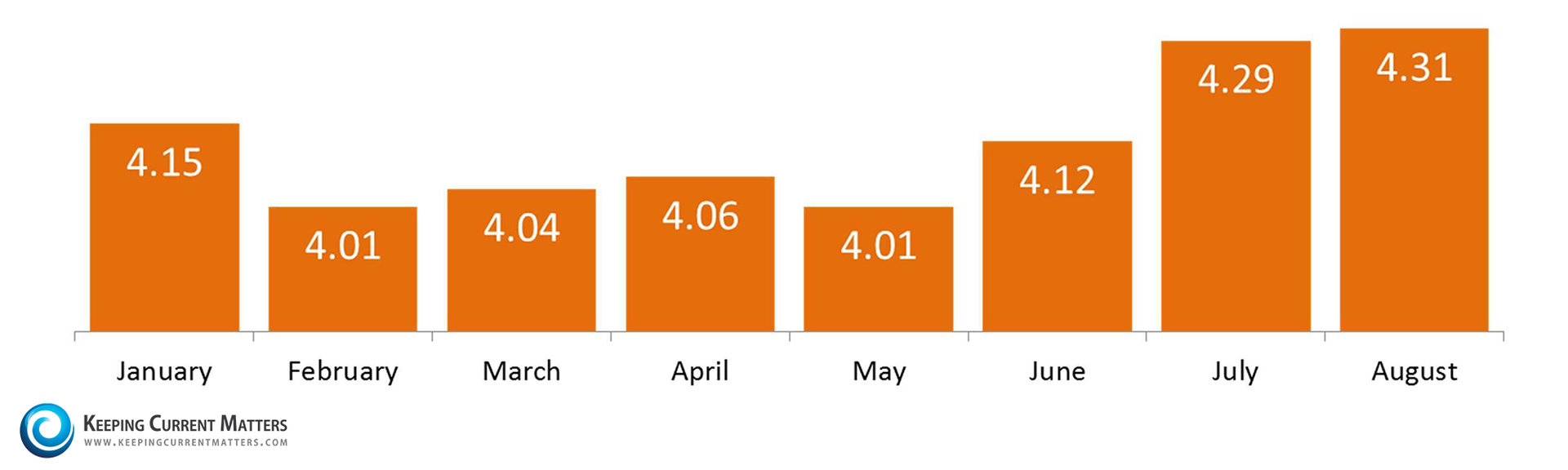
Although this is all great news, there was one challenge in the recently released data. Ellie Mae reported that the average interest rate on closed loans is beginning to inch upward:
Ellie Mae Interest Rates | Keeping Current Matters

What this means to you…

If you are a first time buyer or a current homeowner thinking of moving up to a bigger home or buying a vacation home, now may be the time to act. Mortgage lending standards are beginning to ease and interest rates are beginning to inch up.

Wednesday, February 4, 2015

What is the true cost of waiting?

Economists, real estate experts and strategists are forecasting that 2015 may be the year of home appreciation.  What does that mean?  As a buyer - it means that your buying power may shrink.  As a seller - it may mean that your appeal to a buyer will be stronger earlier in the year, when the buyer can get more for their money.  Coupled with the prospect of higher interest rates on mortgages, and a buyer may be considerably impacted.  To see how much, click here.

Monday, October 27, 2014

Have you ever noticed, when you are in the market to buy a car, boat or home, or change jobs, or travel - that everyone is an expert?  Sometimes, we need to smile, and say thank you for the advice, and walk away.  Heed our own head and heart.  And if you are thinking of buying, it wouldn't hurt to ask yourself these 3 questions...

Should you refinace your mortgage?

Are you one of the over 6 million homeowners who currently has a mortgage on your home?  Are you thinking about refinancing?  If you fit the profile of one of 5 homeowners types, then you want to take action.  Click here and take a minute to read this article, to see if you fall into the "refinance now" category.

Tuesday, October 14, 2014

Need a few more reasons why you should upgrade now?

Home prices are still down.  Interest rates are hovering under 5%.  You want a larger home, but have been waiting for the market to stabilize.  There are signs that the market is starting to hold it’s own.  Every now and then, a drop in inventory and a spike in buying activity brings a glimmer of hope to us all – hope that the market is rebounding.  And, the market appears to be making baby steps to leveling out.  If you have been contemplating selling your home in order to buy a larger one, now may be the time to finally take action.  While you may be able to sell your home at a higher price in the future, the delay will cost you money.  The selling price on the home you buy, as well as the interest rate on your new mortgage, will be higher as well.  Still not convinced?  Take a look at the graph here


Wednesday, October 8, 2014

Buying a home? Why you shouldn't let fear get in the way...

Fear.  The afraid of the unknown.  The perfect topic for the spooky month of October, with it’s month-long celebration of Halloween.  However, fear is also a dreadful emotion to feel, and face, when pursuing the goal of buying a home.  It’s okay to be afraid.  Buying a home is a big step, both financially and emotionally.  It is also one of the most rewarding steps you can take in life.  So don’t give up!

Buying a home? Don't let fear get in your way.

Friday, September 12, 2014

Tuesday, August 19, 2014

What is the true cost of waiting to buy a home?


 If you are thinking about buying a home, but aren't sure about the cost, this KCM article offers a different way to look at it.  Especially, for the younger buyers who are watching every penny.  Years ago, when Oprah was still on, she had David Bach on her show.  He coined the phrase "the latte factor" and wrote books and seminars on the topic.  His theory was that if you saved what you were spending on a cup of Starbucks coffee every day, you could save up some big money.  This article has a similar theme to it, providing encouragement to buy the home NOW.  It may mean sacrificing a few items in the short term, however in the long run, it should be well worth it!

http://ow.ly/AuBlV

Tuesday, March 18, 2014

ARM - let's hope they get it right this time...

The mortgage industry is constantly changing, evolving, adapting and adjusting.  Not only the interest rates, but the programs and opportunities as well.  One of the more difficult decisions some buyers face, is whether to take the traditional financing route of a lower risk fixed loan - or to head down the path of a less conservative adjustable rate mortgage (ARM).  How do you determine which program is the best option for you?  The best first step to take is to educate yourself - research the various loan programs that are available to you.  Find out what your credit score is, and how that can impact your financing options.  Ask yourself what your future plan is, with regards to housing - how long do you plan to live in the residence that you are financing?  And speak with a loan officer.  Someone who can interpret the programs, and explain them so that you have no doubt, misunderstanding, or confusion about which is the best loan for you to secure.
ARM - let's hope they get it right this time... http://ow.ly/uIY6t

Wednesday, March 12, 2014

Is buying cheaper than renting where you are? Check this list to find out...

In many parts of the country, the rental market has steadily picked up over the past few years.  There are a number of reasons people are renting instead of purchasing.  The burst of the housing bubble caused a significant loss of equity in a home - which translates to a lack of downpayment for many potential buyers.  Other sellers were underwater on their mortgages when they sold, and in addition to losing equity, also had to dig into savings to pay the difference in order to close the sale of the home.  Distress sales have left potential buyers with marred credit, in addition to the lack of funds to use to purchase.  That marred credit has caused mortgage investors and lenders to tighten their strings and be a bit more cautious with loaning money out to prospective homeowners.  And then there are those potential buyers who are "waiting in the wings" for the housing market to stabilize.  Renting, until they feel that the time is right to reinvest in the real estate market.

All of these factors have helped create a rental market with high demand in many areas.  As the law of economics has it - the higher the demand, the higher the price.  Most markets have experienced increased in monthly rents.  Without a checks and balance system, like appraisals in the buying segment, tenants are more apt to pay more for, if a property is in an area that they want to live in, or if the landlord is willing to accept the risks of a tenant's damaged credit.  With that being said - is it time for you to now consider buying a home?  Instead of signing another lease?

Is buying cheaper than renting where you are? Check this list to find out out...


http://ow.ly/uvQ5G